


Industrial manufacturing
Metal

PropertiesGeneralPropertyTemperatureValueCommentDensity23.0 °C7.8 - 7.9 g/cm³Typical for Low Carbon SteelMechanicalPropertyTemperatureValueCommentElastic modulus23.0 °C200 - 215 GPaTypical for Low Carbon SteelPoisson's ratio23.0 °C0.29 [-]Typical for Low Carbon SteelShear modulus23.0 °C82 GPaTy
Steel 30 CrNiMo 8 is suitable for high loaded parts (also large forged parts) of high heat-treatment sections and favorable ductility qualities in aircraft and heavy-vehicle construction and in machine engineering (e.g. propeller shafts, connecting rods, transmission shafts. Furthermore for heavy fo
Steel 30 CrMoV 9 is suitable for parts of high strength and ductility requirements at mean and higher heat-treatment sections in vehicle manufacturing, engine and machine engineering (e.g. crankshafts, jointed shafts, spindles). Furthermore application to nitride steel. Lowest application temp. -40
Steel 30 CrMoV 9 is suitable for parts of high strength and ductility requirements at mean and higher heat-treatment sections in vehicle manufacturing, engine and machine engineering (e.g. crankshafts, jointed shafts, spindles). Furthermore application to nitride steel. Lowest application temp. -40
Steel 28 Mn 6 is suitable for lower strained parts in vehicle manufacturing, engine and machine engineering, weldable (e.g. cardan shafts, camshafts, gear wheels). Lowest application temp. -25 °C.PropertiesGeneralPropertyTemperatureValueDensity20.0 °C7.82 g/cm³MechanicalPropertyTemperatureValueComme
Steel 28 Mn 6 is suitable for lower strained parts in vehicle manufacturing, engine and machine engineering, weldable (e.g. cardan shafts, camshafts, gear wheels). Lowest application temp. -25 °C.PropertiesGeneralPropertyTemperatureValueDensity20.0 °C7.82 g/cm³MechanicalPropertyTemperatureValueComme
Steel 28 CrS 4 is suitable for smaller parts of a little higher load and enhanced workability in vehicle manufacturing, engine and machine engineering ( e.g. transmission gears, drive shafts). Lowest application temp. -25 °C.PropertiesGeneralPropertyTemperatureValueDensity20.0 °C7.83 g/cm³Mechanical
Steel 28 CrS 4 is suitable for smaller parts of a little higher load and enhanced workability in vehicle manufacturing, engine and machine engineering ( e.g. transmission gears, drive shafts). Lowest application temp. -25 °C.PropertiesGeneralPropertyTemperatureValueDensity20.0 °C7.83 g/cm³Mechanical
Steel 28 Cr 4 is suitable for smaller parts of a little higher load in vehicle manufacturing, engine and machine engineering (e.g. transmission gears, drive shafts). Lowest application temp. -25 °C.PropertiesGeneralPropertyTemperatureValueDensity20.0 °C7.83 g/cm³MechanicalPropertyTemperatureValueEla
Steel 28 Cr 4 is suitable for smaller parts of a little higher load in vehicle manufacturing, engine and machine engineering (e.g. transmission gears, drive shafts). Lowest application temp. -25 °C.PropertiesGeneralPropertyTemperatureValueDensity20.0 °C7.83 g/cm³MechanicalPropertyTemperatureValueEla
PropertiesGeneralPropertyTemperatureValueCommentDensity23.0 °C7.8 - 7.9 g/cm³Typical for Low Carbon SteelMechanicalPropertyTemperatureValueCommentElastic modulus23.0 °C200 - 215 GPaTypical for Low Carbon SteelElongation A5023.0 °C12 %Poisson's ratio23.0 °C0.29 [-]Typical for Low Carbon SteelShe
PropertiesGeneralPropertyTemperatureValueCommentDensity23.0 °C7.8 - 7.9 g/cm³Typical for Low Carbon SteelMechanicalPropertyTemperatureValueCommentElastic modulus23.0 °C200 - 215 GPaTypical for Low Carbon SteelPoisson's ratio23.0 °C0.29 [-]Typical for Low Carbon SteelShear modulus23.0 °C82 GPaTy
PropertiesGeneralPropertyTemperatureValueCommentDensity23.0 °C7.8 - 7.9 g/cm³Typical for Low Carbon SteelMechanicalPropertyTemperatureValueCommentElastic modulus23.0 °C200 - 215 GPaTypical for Low Carbon SteelElongation A5023.0 °C12 %Poisson's ratio23.0 °C0.29 [-]Typical for Low Carbon SteelShe
PropertiesGeneralPropertyTemperatureValueCommentDensity23.0 °C7.8 - 7.9 g/cm³Typical for Low Carbon SteelMechanicalPropertyTemperatureValueCommentElastic modulus23.0 °C200 - 215 GPaTypical for Low Carbon SteelElongation A5023.0 °C15 %Poisson's ratio23.0 °C0.29 [-]Typical for Low Carbon SteelShe
PropertiesGeneralPropertyTemperatureValueCommentDensity23.0 °C7.8 - 7.9 g/cm³Typical for Low Carbon SteelMechanicalPropertyTemperatureValueCommentElastic modulus23.0 °C200 - 215 GPaTypical for Low Carbon SteelPoisson's ratio23.0 °C0.29 [-]Typical for Low Carbon SteelShear modulus23.0 °C82 GPaTy
PropertiesGeneralPropertyTemperatureValueCommentDensity23.0 °C7.8 - 7.9 g/cm³Typical for Low Carbon SteelMechanicalPropertyTemperatureValueCommentElastic modulus23.0 °C200 - 215 GPaTypical for Low Carbon SteelPoisson's ratio23.0 °C0.29 [-]Typical for Low Carbon SteelShear modulus23.0 °C82 GPaTy
PropertiesGeneralPropertyTemperatureValueCommentDensity23.0 °C7.8 - 7.9 g/cm³Typical for Low Carbon SteelMechanicalPropertyTemperatureValueCommentElastic modulus23.0 °C200 - 215 GPaTypical for Low Carbon SteelPoisson's ratio23.0 °C0.29 [-]Typical for Low Carbon SteelShear modulus23.0 °C82 GPaTy
PropertiesGeneralPropertyTemperatureValueCommentDensity23.0 °C7.8 - 7.9 g/cm³Typical for Low Carbon SteelMechanicalPropertyTemperatureValueCommentElastic modulus23.0 °C200 - 215 GPaTypical for Low Carbon SteelPoisson's ratio23.0 °C0.29 [-]Typical for Low Carbon SteelShear modulus23.0 °C82 GPaTy
PropertiesGeneralPropertyTemperatureValueCommentDensity20.0 °C7.8 - 7.9 g/cm³Typical for Low Carbon SteelMechanicalPropertyTemperatureValueCommentElastic modulus20.0 °C200 - 215 GPaTypical for Low Carbon SteelElongation A5020.0 °C20 %Poisson's ratio20.0 °C0.29 [-]Typical for Low Carbon SteelShe
PropertiesGeneralPropertyTemperatureValueCommentDensity20.0 °C7.8 - 7.9 g/cm³Typical for Low Carbon SteelMechanicalPropertyTemperatureValueCommentElastic modulus20.0 °C200 - 215 GPaTypical for Low Carbon SteelElongation A5020.0 °C20 %Poisson's ratio20.0 °C0.29 [-]Typical for Low Carbon SteelShe
Metal
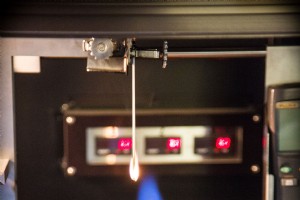
Mar-Bal Inc.: Driving Innovation through In‑House R&D
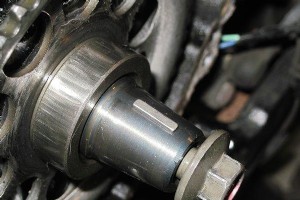
Comprehensive Guide to Shaft Keyway Design and Key Sizing: Calculations, Selection, and Standards
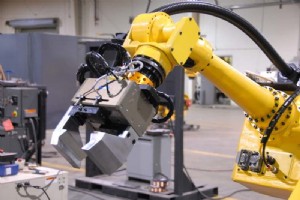
Robotic Grippers Adopt Advanced Sensors for Enhanced Precision

UMass Amherst ADDFab: Advancing Additive Manufacturing Education & Industry Collaboration

