Industrial manufacturing
Nanomaterials


AbstractUnderstanding the oxide shell composition of iron core–shell nanostructures is critical for predicting their chemical stability and magnetic performance. We synthesized Fe nanocorona chains (NCs) by reducing FeCl₃ with NaBH₄ in aqueous media, then aged the particles in water for up to 360 mi
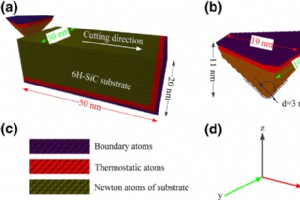
AbstractUnderstanding the atomic‑scale deformation and material removal of 6H‑SiC is essential for producing ultra‑smooth, damage‑free surfaces with atomic steps. Because direct observation of the nanoscale machining zone is beyond current experimental reach, we employed large‑scale molecular dynami
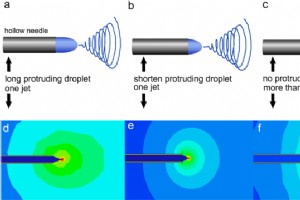
AbstractElectrical voltage has a crucial effect on the nanofiber morphology as well as the jet number in the electrospinning process, while few literatures were found to explain the deep mechanism. Herein, the electrical field distribution around the spinning electrode was studied by the numerical s
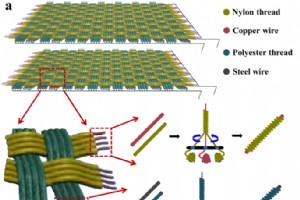
AbstractWearable electronics demand compact, autonomous power sources that can tap ambient kinetic energy. Here we present a two‑dimensional woven triboelectric nanogenerator (2DW‑WTNG) built from core‑shell fibers that convert human motion into electricity. The device delivers 6.35 V peak voltage a
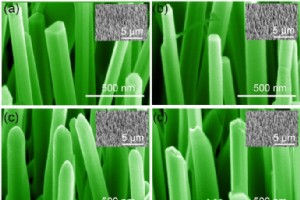
AbstractZnO nanowires are pivotal in optoelectronic technology, thanks to their wide bandgap (3.37 eV) and high exciton binding energy (60 meV). Yet their large surface‑to‑volume ratio makes them vulnerable to surface traps and adsorbed species, which act as non‑radiative recombination pathways. We
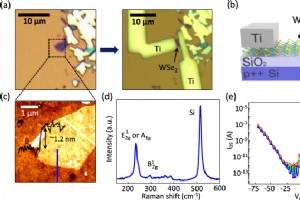
AbstractWe demonstrate that a simple thermal anneal in ambient air introduces oxygen‑based p‑doping in ambipolar WSe2 field‑effect transistors (FETs). The process forms a thin WO3 layer on the channel, shifting the transfer curve toward positive gate bias and increasing hole mobility from 0.13 to 1.
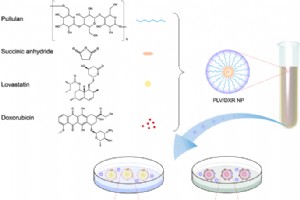
AbstractTriple‑negative breast cancer (TNBC) remains highly resistant to conventional therapy. We engineered an amphiphilic pullulan–lovastatin conjugate (PLV) and loaded it with doxorubicin (DXR) to produce PLV/DXR nanoparticles (NPs). The PLV conjugate was prepared at three pullulan:LV ratios, w
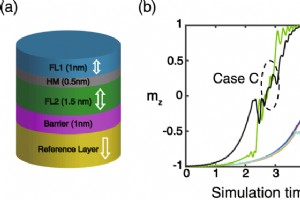
AbstractCurrently double-interface magnetic tunnel junctions (MTJs) have been developed for enhancing the thermal stability barrier at the nanoscale technology node. Dzyaloshinskii–Moriya interaction (DMI) inevitably exists in such devices due to the use of the heavy-metal/ferromagnet structures. Pr

AbstractLaminarin conjugate–derived amphiphilic micelles (HLDM) were engineered to encapsulate the hydrophobic photosensitizer protoporphyrin IX (Pp IX) for breast cancer photodynamic therapy (PDT). The resulting micelles, ~149 nm in diameter, exhibited dual pH‑ and redox‑responsive release, improvi
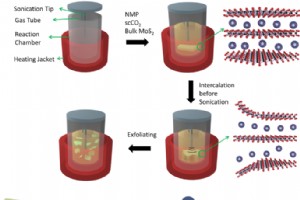
AbstractMolybdenum disulfide (MoS290 % yield of few‑layer MoS2 by combining ultrasound sonication in a supercritical CO₂ environment with N‑methyl‑2‑pyrrolidone (NMP) as a co‑solvent. This method surpasses conventional liquid‑phase exfoliation, which typically discards most unexfoliated sediment, a
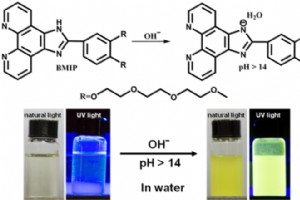
Abstract 14, while remaining inert to a broad panel of competing ions and to all other pH values (2 ≤ pH ≤ 13.9). The sensor’s performance—high selectivity, low detection limit, excellent anti‑interference, and quantitative linearity (R² = 0.996)—is rooted in a deprotonation–aggregation‑induced‑enh
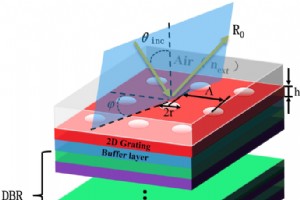
AbstractWe present a compact, label‑free biosensor that couples Bloch surface waves (BSWs) through a two‑dimensional (2‑D) sub‑wavelength hole‑array grating deposited on the top layer of a distributed Bragg reflector (DBR). By exciting BSWs either at the grating surface (DG‑BSW) or at the DBR–soluti
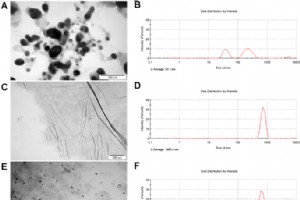
AbstractSilver nanoparticle (AgNP)–coated surfaces are widely considered a promising alternative to conventional antibiotics. Yet, their high surface reactivity raises safety concerns in biomedical contexts. Here, we report that integrating graphene oxide (GO) into AgNP coatings substantially lowers
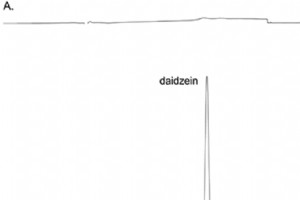
AbstractWe developed a daidzein‑loaded long‑circulating liposome (DLCL) formulation by combining ultrasonication with a lipid‑film hydration technique. An orthogonal design identified the optimal parameters: a soybean phosphatidylcholine (SPC) to cholesterol molar ratio of 55:40, a drug‑to‑lipid mas
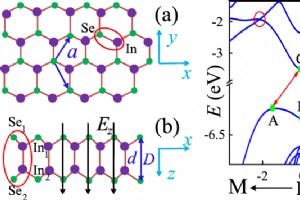
AbstractElectronic structures of monolayer InSe with a perpendicular electric field are investigated. Indirect-direct-indirect band gap transition is found in monolayer InSe as the electric field strength is increased continuously. Meanwhile, the global band gap is suppressed gradually to zero, indi
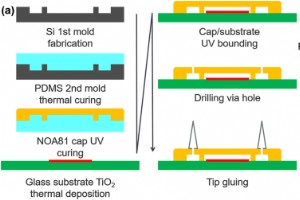
AbstractA small external magnetic field (100–1000 Oe) was demonstrated to enhance the photocatalytic degradation of methyl orange (MO) using TiO2 NPs in micro optofluidic chip (MOFC) reactors. The rectangular shape of the fluidic channel and TiO2 deposited only onto the lower glass substrate leads t
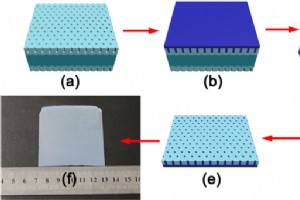
AbstractFlexible thin-film solar cells with high weight-specific power density are highly desired in the emerging portable/wearable electronic devices, solar-powered vehicles, etc. The conventional flexible metallic or plastic substrates are encountered either overweight or thermal and mechanical mi
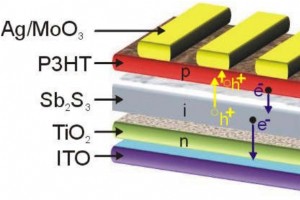
AbstractThis study systematically investigates how photon absorption, internal electric field, charge transport pathways, and kinetic processes influence the performance of Sb₂S₃‑based photovoltaic devices. Using an n‑i‑p planar architecture (TiO₂/Sb₂S₃/P3HT), we examine photon‑to‑electron conversio
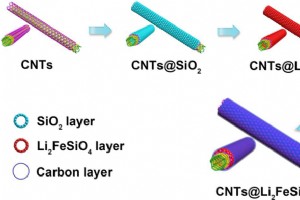
AbstractDesigning nanostructured cathodes is essential for overcoming the intrinsic limitations of Li₂FeSiO₄. In this study, we present a novel CNT@Li₂FeSiO₄@C heterostructure that combines a conductive carbon nanotube core, a 19‑nm Li₂FeSiO₄ shell, and a 2‑nm amorphous carbon coating. This architec
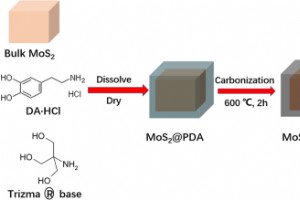
AbstractExploring earth-abundant and noble metal-free catalysts for water electrolysis is pivotal in renewable hydrogen production. Herein, a highly active electrocatalyst of nitrogen-doped porous carbon nanosheets coupled with Mo2C nanoparticles (Mo2C/NPC) was synthesized by a novel method with hig
Nanomaterials