Industrial manufacturing
Industrial Technology

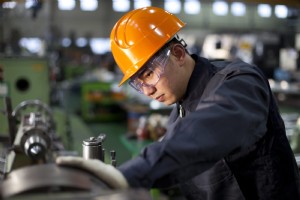
Legacy machinery often represents a substantial portion of a company’s capital investment, yet many operators find these assets under‑utilized. Even when the original OEM has vanished or ceased support, the equipment can still perform its core tasks. The challenge lies in harnessing modern technolog

The Internet of Things (IoT) empowers manufacturers to connect diverse devices across time and distance, delivering real‑time, reliable data. The Industrial Internet of Things (IIoT) is rapidly enhancing production line performance, cutting maintenance costs, and boosting visibility. Despite these c
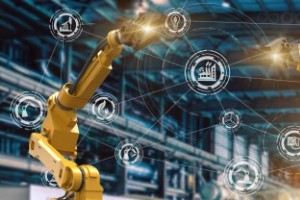
In today’s fast‑paced manufacturing environment, the term automation has evolved far beyond simple robotic assembly. While robots and automated lines have long boosted speed and consistency, the next wave—Industrial Internet of Things (IIoT) and Industry 4.0—offers a deeper, data‑driven transformat

Overview of the April 2 Webinar Plant Engineering partnered with Advanced Technology Services (ATS) to host a webinar that examined recent survey findings from manufacturing executives and operations staff. The discussion focused on maintenance trends, emerging technologies, and the critical skills
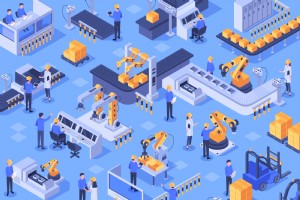
As manufacturers transition into the post‑pandemic era, the changes sparked by COVID‑19 are becoming permanent. Safety protocols and adjusted production volumes will shape the industry’s new baseline. While change can be challenging, it also breeds innovation. The manufacturing sector has always ad

With the proliferation of inexpensive, high‑speed sensors—commonly referred to as Internet of Things (IoT) devices—industrial sites are generating unprecedented volumes of data. Yet raw data offers little value without analysis that leads to actionable insights. While many IoT sensors forward their
The introduction of computers in industrial plants was revolutionary back in the day. It marked the beginning of the digitization of manufacturing information – from written and typed words to computer-readable formats – and massively curtailed dependence on paper-based records. We are now in the m
Modernizing legacy production equipment is a strategic investment that enhances performance, safety, and competitiveness in the era of the Industrial Internet of Things. Older machinery can be a double‑edged sword: it represents a significant capital commitment yet often falls short of today’s conn
Managing parts inventory in MRO organizations hinges on striking the delicate balance between having the right spares on hand and preventing capital from being locked in slow‑moving or obsolete stock. Machine learning provides actionable insights that help organizations achieve this equilibrium. Wh
When technicians work on complex industrial equipment, having a clear, on‑the‑spot reference is essential. Traditional manuals—often dusty, lost, or hard to navigate—can slow down repairs and increase the risk of mistakes. Augmented Reality (AR) eliminates these bottlenecks by overlaying real‑time,
Driving digital transformation in manufacturing requires more than technology—it demands an innovative culture and a skilled workforce. Manufacturing leaders frequently cite productivity gains, cost savings, and data‑driven decision making as the primary benefits of adopting IIoT. A recent Google s
Industrial Technology: A New Era of Efficiency and Growth Manufacturers have long invested in transformative technology, but the real breakthrough lies in mastering its application. As productivity gains begin to materialize, firms are prioritizing higher uptime, reduced cost of goods, and stronger
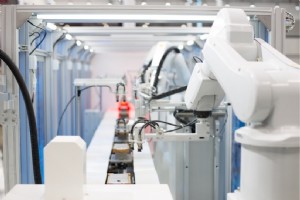
In today’s manufacturing landscape, concepts often leap ahead of the technology that can support them. Digital twins—real‑time, one‑to‑one virtual replicas of physical assets—are finally catching up, powered by faster communication, robust infrastructure, and ubiquitous data storage. The result? A t
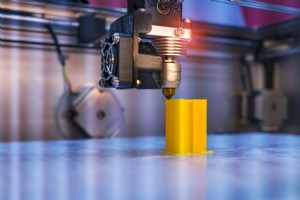
Additive manufacturing—commonly known as 3D printing—has matured to the point where metal parts can now be fabricated on demand. For maintenance, repair, and overhaul (MRO) organizations, this capability offers a strategic advantage: it reduces inventory needs, cuts downtime, and minimizes material
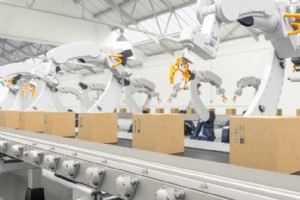
In 2020, warehouse and distribution center operators faced unprecedented demand, as online shopping surged and customers expected faster, safer deliveries. The result was a push toward automating tasks that were once performed manually and a surge in innovative solutions that can meet today’s high-v

3D printing—commonly called additive manufacturing—is rapidly reshaping the automotive sector. By building parts layer by layer, it offers flexibility and speed that traditional machining can’t match. As automakers explore new applications, they unlock significant operational and financial advantag
In the last two decades, digital transformation has reshaped nearly every facet of our daily lives, delivering speed, convenience, and unparalleled access to information. The same leap forward is now reshaping Consumer Packaged Goods (CPG) manufacturing, where margins are razor‑thin and operational
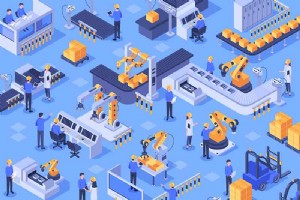
After a tumultuous 2020, smart manufacturing continues to be a pivotal driver of industry innovation. In 2021, plants worldwide are adopting new technologies to enhance efficiency, resilience, and profitability. Below are the ten most influential trends shaping the sector this year. Smart Manufactu
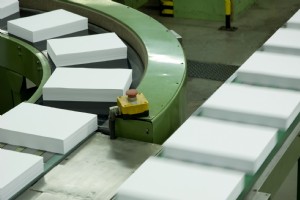
Digital transformation is reshaping the paper industry, just as it is across manufacturing. The benefits are many, including deeper insights into equipment performance, real‑time alerts, and end‑to‑end supply‑chain integration. These translate into lower costs and faster, more efficient production—d

Collaborative robots, or cobots, are reshaping modern factories. Their advanced design lets them perform repetitive, hazardous, or tedious tasks while working side‑by‑side with human workers. This synergy boosts safety, productivity, and flexibility across the production line. What Exactly Are Coll
Industrial Technology