Industrial manufacturing
Manufacturing process


A spacesuit is a pressurized, life‑support garment that protects astronauts from the harsh vacuum of space. Commonly called an Extravehicular Mobility Unit (EMU), it provides oxygen, temperature control, CO₂ removal, and shielding from radiation and micrometeoroids while enabling mobility during s
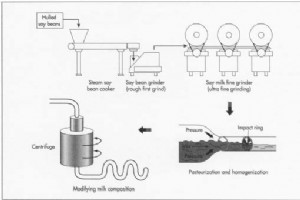
Background Soy milk is a high‑protein, iron‑rich beverage made by pressing ground, cooked soybeans. Its creamy white appearance closely resembles cow’s milk, yet it offers distinct nutritional benefits: higher protein, iron, cholesterol‑free, low fat and sodium, and naturally lactose‑free. While it
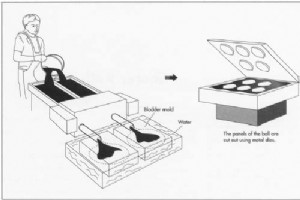
Background Games resembling modern soccer have been played worldwide for millennia. The earliest documented example is China’s tsu‑chu, attributed to Emperor Huang‑Ti in 1697 B.C. According to historical records, the game involved a leather ball stuffed with animal hair and cork, and teams competed
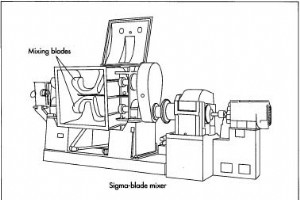
Background In 1943, engineer James Wright, working in General Electric’s New Haven laboratory under a government contract, accidentally created Silly Putty while attempting to develop a low‑cost synthetic rubber substitute for the war effort. By blending boric acid with silicone oil, he produced a
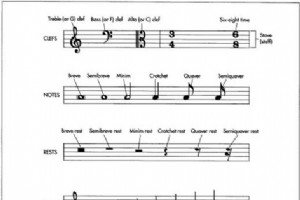
BackgroundSheet music is the roadmap of a composer’s imagination, encoded in a standardized language of notes, rhythms, and expressive markings. When musicians interpret these symbols, the composer’s vision becomes a shared experience, resonating with audiences worldwide.HistoryThe earliest survivin
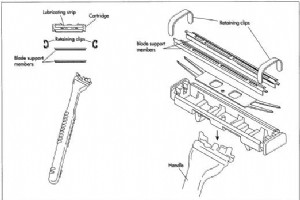
Safety razors are precision tools designed to remove unwanted body hair—whether men’s facial stubble or women’s leg and underarm fuzz—while protecting the skin from nicking. Modern models feature a razor blade housed within a metal or plastic chassis, attached to a comfortable handle. Depending on
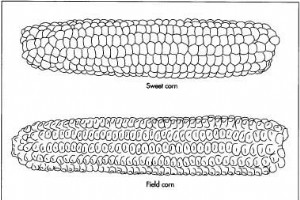
Popcorn: History, Production, and Future of America’s Iconic Snack Background Before 1912, less than 19,000 acres (7,700 hectares) were dedicated to popcorn. The advent of electric popcorn machines and microwaves spurred demand for this “prairie gold.” Today, U.S. consumption exceeds 1 billion lb (
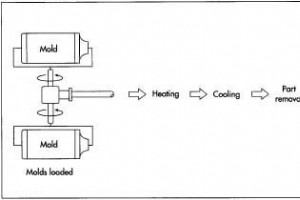
Background Dolls have evolved over the centuries from religious symbols or idols in ceremonies to playthings by children, and are now also highly-prized collectibles. Doll collectin
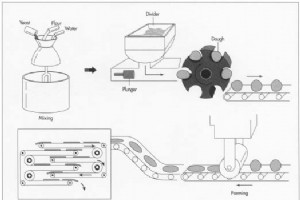
Background Every civilization has baked some form of bread. As early as 10,000 years ago, prehistoric peoples mixed grain, water and fire to create the first flatbreads. In Mesopotamia, now Iraq, stone‑milled grains were combined with water and cooked over open flames. Archaeological digs in ancien
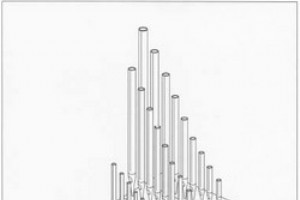
Background A pipe organ is a majestic instrument that shapes sound by directing air through a network of hollow tubes controlled by keyboards. Unlike reed organs, where thin metal strips vibrate, and electronic organs that emulate pipes with circuitry, a true pipe organ relies on physical airflow t
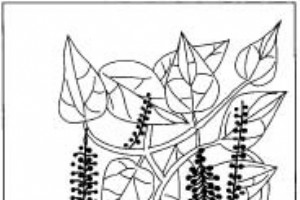
Background Often hailed as the king of spices, pepper stands shoulder‑to‑shoulder with salt on most dinner tables. The term traces back to the Sanskrit word pippali, meaning berry. Today, pepper is cultivated across Indonesia, Malaysia, Sri Lanka, Vietnam, Cambodia, and the Malabar coast of India—i
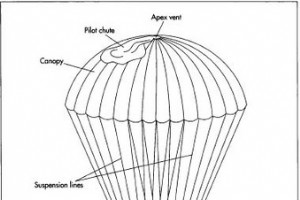
Background A parachute is a device designed to reduce the velocity of a person or object falling or moving through the air. Primarily used for safe descents from high altitudes—such as spacecraft re‑entry or aircraft drops—parachutes can also be configured for horizontal deployment to slow race car
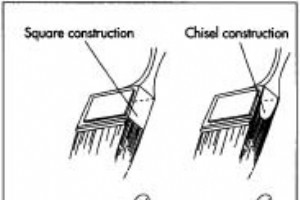
Background A paintbrush is a handheld tool designed to apply paint, sealers, or varnishes to various surfaces. Its construction includes filaments that absorb the coating, a ferrule—a metal band that secures the filaments to the handle—and a spacer plug that creates a reservoir for paint. The handl
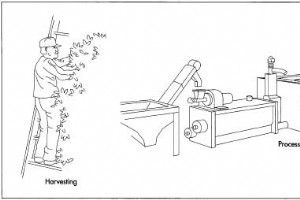
Olives: From Tree to Table—History, Production, and Health Benefits The olive tree (Olea europaea) offers three treasures: the table olive, its oil, and the versatile wood. Although fallen fruit may look edible, every olive—green or black—must be processed before it can be safely consumed. Backgrou
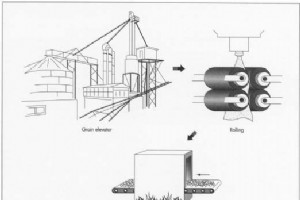
Oatmeal is made from the ground or rolled seeds of oat grass (Avena sativa). It is cooked as cereal or used as an ingredient in baking. Background
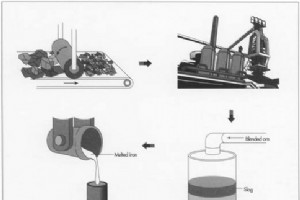
BackgroundA nutcracker is a precision tool designed to crack the hard shells of true nuts—such as pecans, hazelnuts, and walnuts—while preserving the edible kernel. While many foods called nuts (e.g., peanuts, almonds, cashews) do not require a nutcracker, a few, like the Brazil nut, do. Nutcrackers
Background A nuclear submarine is powered by atomic energy, enabling it to remain submerged for months while carrying advanced weapons. Unlike diesel‑electric subs, which rely on batteries and surface operations, nuclear subs offer unparalleled endurance and stealth, making them a cornerstone of mo
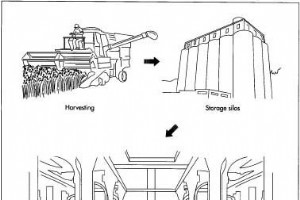
Mustard is a vibrant condiment derived from the crushed seeds of the mustard plant. When crushed, the seeds release myronate and myrasin, giving mustard its characteristic heat. Consumers can add water to powdered mustard or manufacturers can blend it with water, wine, vinegar, or combinations ther
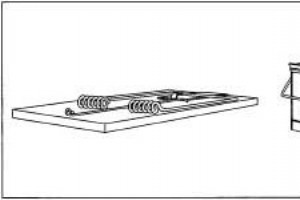
Scientists label the classic mousetrap as an “irreducibly complex” device—a marvel of simplicity that still outperforms more elaborate designs. The phrase “to build a better mousetrap” has become a metaphor for achieving perfection in an imperfect world. Background From pit traps carved into the
Molasses, derived from the Latin melaceres—meaning honey‑like— is a thick, dark syrup that emerges as a by‑product of sugar refining. When sugar is extracted from sugarcane or sugar beet juice, the remaining liquid, rich in flavor and nutrients, becomes molasses. It is widely used for human consump
Manufacturing process