Industrial manufacturing
Manufacturing process


Background Macadamia nuts, often called the “gold of the nut world,” are prized for their rich flavor and silky oil. They are a popular dessert nut, a festive gift, and a key ingredient in many confectionery and bakery products. Though they are cultivated worldwide, their association with Hawaii re
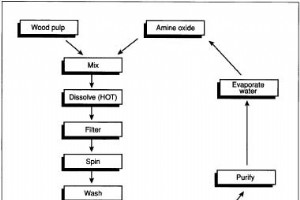
Lyocell is a man‑made fiber derived from cellulose, marketed in the United States as Tencel. Produced via a solvent‑spinning technique, the cellulose remains chemically unaltered, yielding an exceptionally strong fabric. Its versatility spans automotive filters, ropes, abrasive products, bandages,

Background Sound has fascinated listeners for centuries, yet its precise capture remained elusive until the late 19th century. Today, with CDs, cassettes, portable players, car audio systems, radio, and television, we are immersed in sound, but the long‑playing (LP) record remains a cherished relic
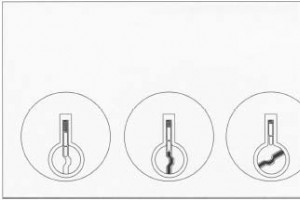
Background Locks have protected doors from theft since antiquity. The Old Testament references them, and the earliest physical evidence dates back roughly 4,000 years—Egyptian pin‑tumbler locks found in the pyramids. These early locks used a wooden housing, a wooden bolt, and iron pins that held th

Background Metal plates affixed to motor vehicles are commonly called license plates, but the correct terminology is registration plates. The vehicle’s driver must hold a valid license, and the vehicle itself is registered; the plate serves as the public identifier for both. In many southern states
Background A jukebox is a coin‑operated music player that delivers a curated selection from vinyl records or compact discs. First called “nickel‑odeons” in the late 1930s, the term “jukebox” emerged later and its origins remain debated. Some scholars trace it to the African word jook, meaning to da
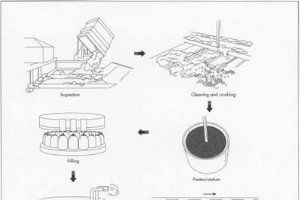
Jam and jelly are fruit spreads crafted from ripe fruit, sugar, and pectin. While jelly derives solely from fruit juice, jam incorporates the fruit’s flesh, yielding a thicker, fruit‑laden consistency. Some manufacturers also produce vegetable‑based jellies. Historical Context Preserving fruit in a
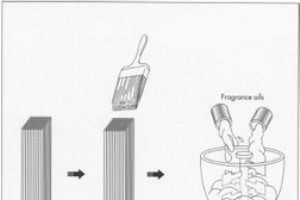
When the Three Wise Men presented their gifts to the newborn Jesus, frankincense and myrrh—both aromatic resins—were chosen alongside gold. Though gold was the most prized, the selection of frankincense and myrrh underscores how central incense was to ancient rituals and commerce. Today, the fragra
Background Before mechanical clocks, timekeeping relied on the sun’s motion or simple devices. The sundial, still popular as a garden ornament, is a prime example. While Stonehenge’s alignment suggests sundial use, its function was broader, serving calendar and time purposes. Sundials, however, are

Honey is a naturally sweet syrup produced by honeybees from floral nectar. It typically contains 17–20 % water, 76–80 % glucose and fructose, along with pollen, wax, and mineral salts. The exact flavor profile and color vary with the nectar source: alfalfa and clover yield light, almost white honey

Background Across ancient cultures, illumination played a central role in festivals, influencing the modern practice of adorning Christmas trees and homes with light. Druids in France and England revered oak trees, decorating them with candles and fruit to honor deities of light and harvest. The Ro

Background High‑heeled shoes have long been a symbol of status and authority. King Louis XIV, standing only 5 ft 3 in (1.6 m), famously wore specially crafted cork‑curved heels covered in red‑dyed leather—red symbolizing nobility. On ceremonial occasions, his 5‑inch (12.7 cm) heels were embellished
Background A hang glider is an unpowered, heavier‑than‑air aircraft that carries a pilot suspended beneath a flexible sail. Unlike conventional gliders, which resemble small airplanes, hang gliders look like large, aerodynamically shaped kites. They are typically launched from elevated terrain and
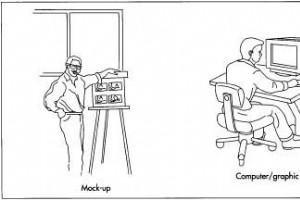
Background Greeting cards are paper or cardboard artefacts that combine imagery, text, and sentiment to celebrate or console on a wide range of occasions. They range from simple handwritten notes to sophisticated, artist‑designed pieces featuring photographs and custom verse. While virtual cards ca

Background In 1992, the global tea market reached nearly 2.5 million tonnes of production. The bulk of this output comes from the subtropical belt of Asia—China, India, Sri Lanka, Japan, and Indonesia—while today 35 countries cultivate tea, with India, China and Sri Lanka dominating the scene. Blac

A golf tee is a small, precision‑crafted device that elevates a golf ball, enabling a clean strike on every tee‑off. With over two billion wooden tees consumed annually in the U.S., the industry has evolved from simple cedar sticks to highly engineered biodegradable options. History The core design
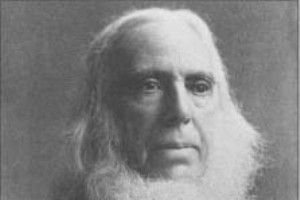
Background In the United States, the average person uses roughly 40 lb (18.2 kg) of glue each year—an amount that underscores how integral adhesives are to modern life. From furniture and plumbing to shoes, books, buildings, and automobiles, glue plays a pivotal role in countless industries. Glue b
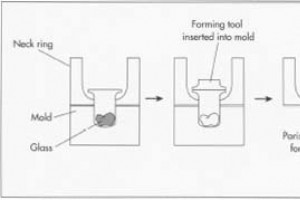
Background As Christmas trees grew in popularity during the mid‑19th century, families sought ways to illuminate and adorn their evergreens. While candles and early electric bulbs lit the branches, the addition of metallic tinsel and glass baubles amplified the sparkle and captivated children. Euro
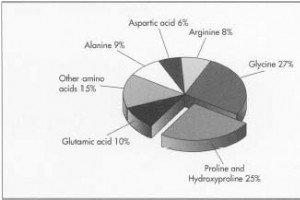
Gelatin is a high‑molecular‑weight protein derived from collagen, the structural protein found in the tendons, ligaments, and connective tissues of mammals. It is produced by boiling animal bones, skins, and tissues—primarily from cows and pigs—to extract the collagen, which then condenses into a
Background Galoshes trace their roots back to the Middle Ages, when a wide variety of boots—from short leggings to tall riding boots—were in vogue. The term derives from the Gaulish word gallicae, describing leather uppers with wooden soles that the Romans adopted when conquering Gaul (modern Franc
Manufacturing process