Industrial manufacturing
Manufacturing process

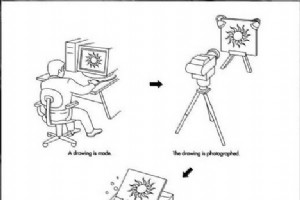
Background Rubber stamps serve a dual purpose: the sober, functional side used for official markings, and the whimsical, artistic side that showcases everything from Monet‑style garden outlines to playful sayings. This duality has driven a resurgence among hobbyists, collectors, and budding artists
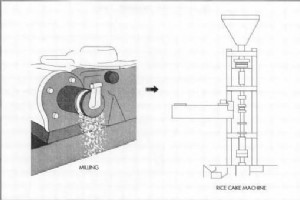
Background Rice cakes have surged in popularity as a low‑calorie, low‑fat snack. Their appeal is rooted in the physics of rice grains, which expand explosively when heat and pressure are applied—a phenomenon also seen in popcorn. Though marketed as a modern, high‑tech treat, rice cakes have a herit

Background Raisins are created by sun‑drying various grape varieties, producing a small, sweet, wrinkled fruit. The technique dates back to ancient Egypt, where early records document raisin production as early as 2000 B.C. Today, the United States sells more than 500 million lb (227 million kg)
Background Pottery is the art of shaping clay into functional or decorative vessels that are then dried, fired, and finished—often with glaze—to achieve a vitreous, water‑resistant surface. Clay itself is a natural mineral deposit that has weathered rock over millions of years. Unlike raw clay, a p
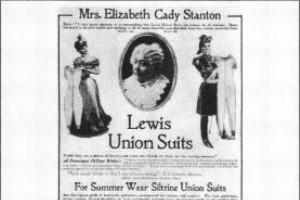
Background Polyester fleece is a plush, two‑sided pile fabric that delivers warmth, moisture resistance, and quick drying—qualities prized in sweaters, jackets, mittens, hats, blankets, and performance gear. Unlike many synthetic wools, it resists pilling, keeping its fluffy appearance even after r
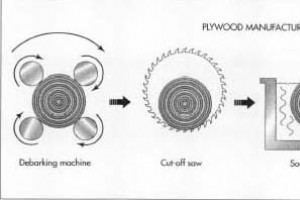
Background Plywood is composed of three or more thin wood layers, or plies, bonded together with a durable adhesive. Each ply is typically oriented at right angles to its neighbors, which minimizes shrinkage and maximizes structural strength. The resulting product is available in flat sheets for co
Background Playing cards are flat, rectangular pieces of layered pasteboard used worldwide for games of skill and chance. Their origins date back to the twelfth century, evolving from divination tools and chess derivatives. Modern decks are produced through lithography, photolithography, or gravure
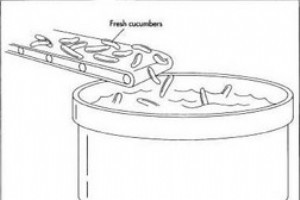
Background Pickles are cucumbers preserved in a brine of vinegar, salt, and a blend of spices. The process typically starts with natural bacterial fermentation before the final vinegar soak. Although pickling dates back millennia, the snack remains beloved today, with more than 5 million lb (2.27 m
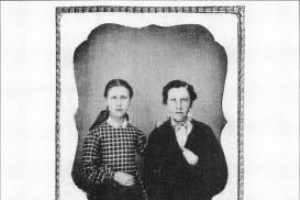
Background A photograph is created by a photochemical reaction that records light on a surface coated with silver halide crystals. The silver ions (Ag+) are reduced to elemental silver (Ag) when exposed to light, forming clusters that scatter light and reproduce the original image’s tones. This pri

Background A parade float is an elaborately decorated three-dimensional figure or scene, mounted on a wheeled chassis that participates in a procession as part of a specific celebra
Background Oxygen (O₂) is a fundamental element that sustains life on Earth and fuels countless industrial processes. It is the most abundant component of the air—about 21%—and constitutes roughly two‑thirds of the human body by weight. Historically, oxygen was isolated in 1774 by Joseph Priestley,
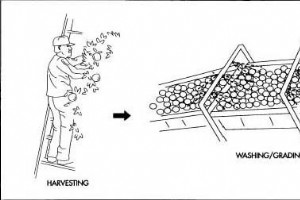
Background Orange juice is defined in the United States Code of Federal Regulations as the "unfermented juice obtained from mature oranges of the species Citr
Background In 1901, Engineering magazine noted that motorcycles were initially seen as niche entertainment for mechanical enthusiasts, questioning their lasting appeal. As of 2023, the U.S. alone housed four million motorcycles, serving as primary transport, recreational rides, racing machines, or
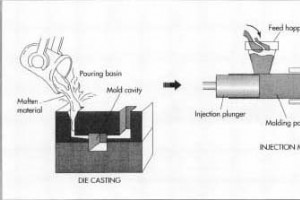
Background In the 1938 Lionel Trains catalog, a heartfelt letter from a child captured the magic of Lionel’s electric engines: the promise of a fully remote‑controlled, whistle‑blowing train that could be coupled and uncoupled with the touch of a button. Lionel’s electric models dominated the toy ma
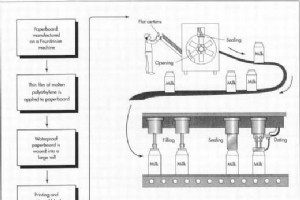
Milk cartons are water‑tight paper containers that protect milk during retail distribution. Though ubiquitous in grocery aisles, the carton is a highly engineered product crafted to exacting standards. Background For most of history, milk could not be sold in stores because it spoils quickly once r
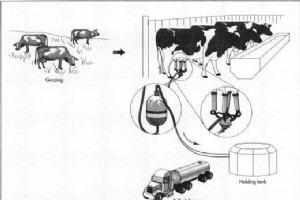
Background Milk is a nutritionally rich beverage derived from various mammals, most commonly dairy cows. In the United States and many industrialized nations, raw cow’s milk is processed before consumption. Processing adjusts fat levels, fortifies with essential vitamins, and eliminates harmful bac
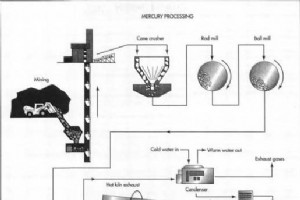
Background Mercury (Hg) is a dense, silvery liquid metal that has been used since antiquity for its unique properties. Historically valued for alloying with gold and silver, its role expanded during the 19th‑century California Gold Rush, when mercury ore deposits were extensively mined. Today, merc
Background Linen yarn is spun from the long, slender fibers located just behind the bark in the multi‑layer stem of the flax plant Linum usitatissimum. The woody stem and the inner pith—known as pectin—are left to rot, freeing the cellulose fibers that are then spun into thread, cordage, or twine.
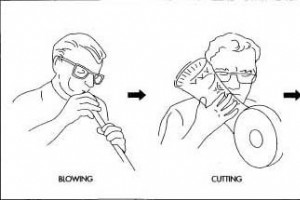
Background Glass has been manufactured for millennia, originating in ancient civilizations. Early artisans used natural crystal—rock crystal—to craft beads, figurines, and tableware. In the 16th century, glassmakers began experimenting with metal oxides to mimic natural opalescence. Lead, when in
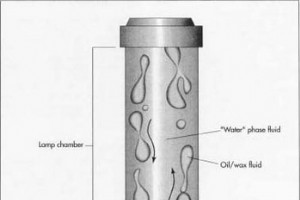
Background A lava lamp is a tube‑shaped light fixture that contains a colored, oily fluid which rises and falls in a pattern reminiscent of molten lava. As the fluid moves, it forms ever‑changing globules that create a psychedelic visual effect. The invention is credited to English engineer Craven
Manufacturing process