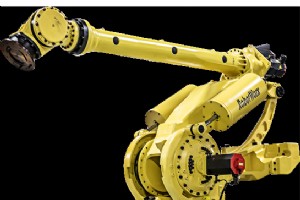
Industrial manufacturing
Manufacturing process

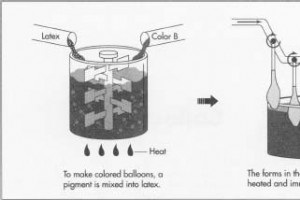
Background A balloon is an airtight envelope made from a lightweight material that can be inflated with air or gas. Toy balloons come in a wide array of shapes, sizes, and colors, delighting both children and adults at celebrations and festive events. Balloon technology traces its origins to France
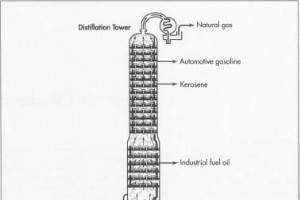
Background Asphalt—dark, heavy, and resilient—belongs to the family of bituminous hydrocarbons. It serves as a robust, weather‑ and chemically‑resistant binder that unites crushed stone and gravel (aggregate) into durable surfaces for roads, streets, and airport runways. Asphalt, also known as mine
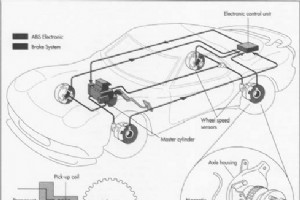
Background Stopping safely is the core function of any motor vehicle. Brake failure can cause property damage, injury, or death. Over the past nine decades, manufacturers have continuously refined braking technology, culminating in the modern antilock brake system (ABS). ABS prevents wheel lockup a
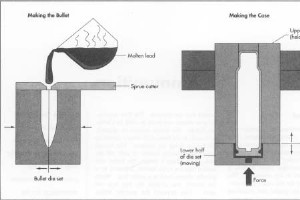
Background Small‑arms ammunition—often called cartridges—powers a wide spectrum of firearms, from pistols and rifles to shotguns and automatic weapons. While the public frequently refers to a cartridge as a bullet, the term technically denotes only the projectile. A complete cartridge consists of f
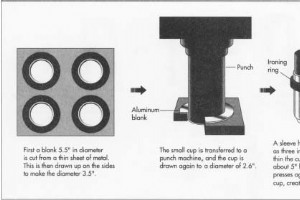
Background Today, 95 % of all beer and soft‑drink cans in the United States are aluminum—about 100 billion units a year, roughly one can per American per day. While most food cans are steel, aluminum’s unique combination of light weight, strength, and corrosion resistance makes it ideal for carbona
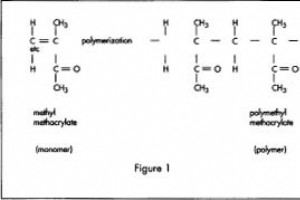
Background Acrylic plastic is a family of synthetic polymers derived from acrylic acid. The most common member, polymethyl methacrylate (PMMA), is sold under brand names such as Plexiglas, Lucite, Perspex, and Crystallite. PMMA is a tough, highly transparent material with exceptional resistance to
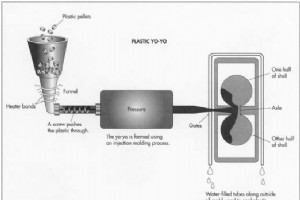
Background A yo‑yo consists of two discs joined by a central axle, with a string wound around the axle. The string alternately winds and unwinds as the toy is thrown, creating a rhythmic up‑and‑down motion. While early models were carved from wood, contemporary yo‑yos are predominantly made from du
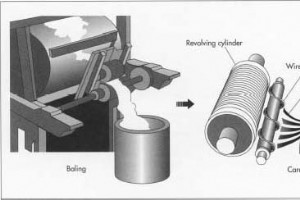
Background Yarn is formed by twisting multiple strands of fibers together. Each strand is itself composed of shorter fibers spun into longer filaments. Long, continuous strands may simply be twisted further or processed through texturing to alter their properties. The amount of twist applied during

Background Wigs serve a variety of purposes—prosthetic, cosmetic, and convenience. They conceal hair loss caused by illness or genetics, enable rapid stylistic changes, and can even offer a discreet disguise for public figures. A Vogue profile noted that a high‑profile politician’s wife used a ward
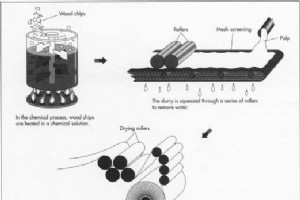
Background Wallpaper is a decorative covering applied to walls in homes and commercial spaces. While not essential, it is the most popular way to add style, atmosphere, and color to a room. The industry distinguishes between residential and commercial products, each with different weight, backing,
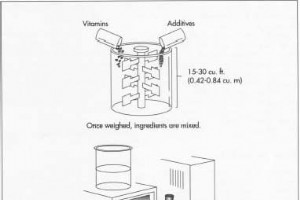
Background Vitamins are essential organic compounds that the body requires in trace amounts to maintain health and physiological function. Deficiencies lead to a spectrum of diseases—from night blindness due to vitamin A deficiency to scurvy from lack of vitamin C and rickets caused by inadequate v
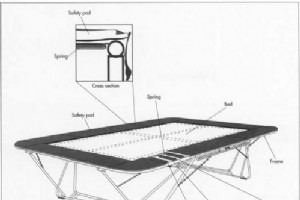
Background A trampoline is a spring‑laden, webbed platform encased in a metal frame, designed to provide a controlled bounce for athletic and recreational use. Its elastic suspension allows athletes to perform mid‑air acrobatics and is a staple training aid for gymnasts, divers, and pole vaulters.
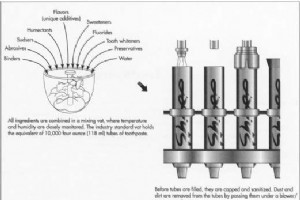
Background Toothpaste’s origins trace back nearly 4,000 years, long before the modern concept of a paste. Early civilizations—Egyptians, Chinese, and later Arabs—used abrasive mixtures of metals, plant ash, and animal matter to scrub away stains. These early formulas were harsh, often containing to
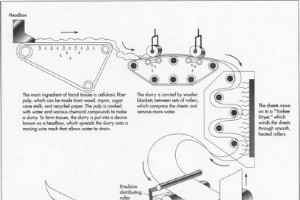
Background Facial tissues are a staple in personal hygiene, prized for their absorbency, softness, and flexibility. To deliver an exceptionally gentle touch, manufacturers incorporate softening agents—or lotions—into the paper surface. These additives reduce friction and chafing, making tissues mor
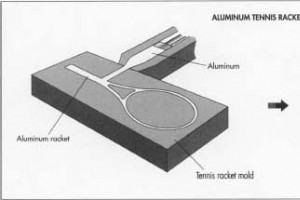
Background The official codification of tennis dates to 1873, when Major Walter Clopton Wingfield of North Wales published the first rulebook. However, the sport evolved from earlier hand‑ball games played across Europe before the Renaissance, transitioning from bare hands to gloves, rope‑wrappe

Background Television has become an integral part of modern life. In the United States, over 98 % of households own at least one TV set, and 61 % receive cable. The average U.S. household spends about seven hours a day watching television, making it a valuable platform for news, sports, education,
Background Since the turn of the 20th century, teddy bears have become a ubiquitous comfort object for children and collectors alike. The inspiration comes from real bears—ancient Neanderthal hunters revered extinct brown bears, and modern folklore celebrates the animal’s strength and nurturing nat
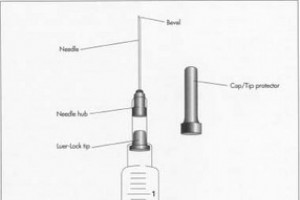
The hypodermic syringe, also known as a hypodermic needle, is a precision medical device used by clinicians to transfer liquids into or out of the body. A hollow needle attaches to a tube and a plunger; pulling the plunger draws fluid into the tube, while pushing it out forces the fluid through the
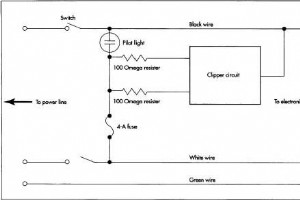
Background According to the Institute of Electrical and Electronics Engineers (IEEE), power‑line disturbances—surges that can damage plugged‑in devices—occur roughly four times daily. Lightning, weather, traffic accidents, heavy industrial equipment, voltage fluctuations from utilities, and high‑fr
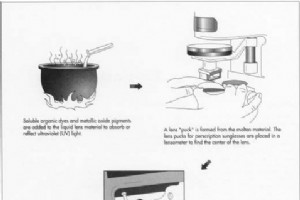
Background Sunglasses are engineered to shield the eyes from harmful sunlight. Exposure to intense visible and non‑visible radiation can cause temporary symptoms such as snow blindness or welder’s flash, and long‑term damage including cataracts and night‑vision loss. UV light is the primary culprit
Manufacturing process