


Industrial manufacturing
Manufacturing process

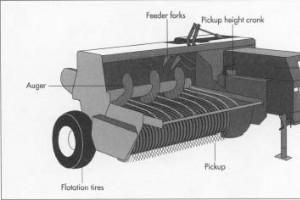
Background Hay balers are specialized agricultural machines that compress cut forage—typically grasses, legumes, alfalfa, or clover—into bales for storage and transport. The process begins with mowing the crop at 18 inches (46 cm) tall, followed by crimping to break the stems, improving palatabilit
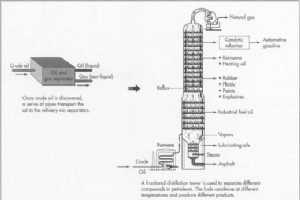
Background Gasoline is a volatile, flammable liquid distilled from crude oil. It emerged as a by‑product of kerosene refining in the late 19th century and soon became the backbone of the internal‑combustion engine, thanks to Nikolaus Otto’s four‑stroke design in 1876. Today, nearly all gasoline fue
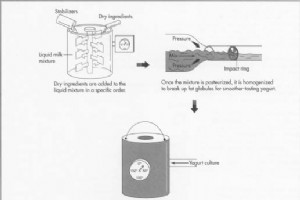
Background Frozen yogurt is a refreshing, tangy dessert that blends the creamy textures of ice cream with the bright acidity of sherbet. Though it entered the modern dessert landscape only in the latter half of the twentieth century, its roots trace back thousands of years to ancient Asia, where ea
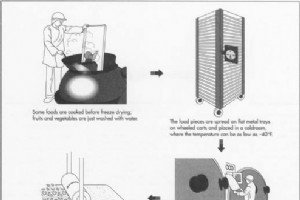
Background Freeze‑drying, also known as lyophilization, is a modern preservation technique that removes nearly all moisture from food while keeping its structure, color, and flavor intact. The process involves freezing the product, then sublimating the ice under a vacuum, and finally sealing the it

Background A fortune cookie is a crescent‑shaped, hollow biscuit that contains a paper slip with a short saying or fortune. It is traditionally served at the end of a meal in Chinese restaurants, allowing diners to discover their fortune. The origins of the fortune cookie are debated. While it is o
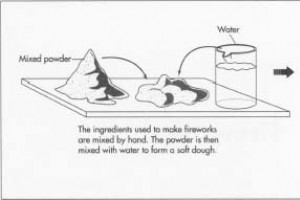
Background A firework is a device that harnesses combustion or explosion to produce striking visual and auditory effects. Modern pyrotechnics extends beyond traditional fireworks to include flares, matches, and even solid‑fuel rocket boosters used in spaceflight. The earliest precursors date back t
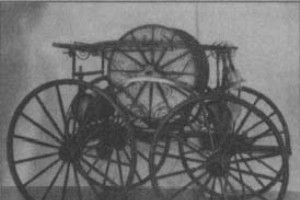
Background The term ‘fire truck’ is a generic label for any vehicle used in firefighting. Technically, a ‘fire truck’ carries ladders and is designed to access elevated sections of a building or to deliver a high‑stream of water. A ‘fire engine’ houses the pump and is the core of a firefighting app
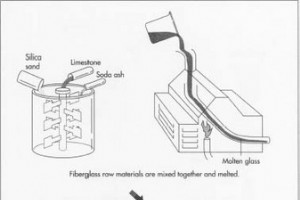
Background Fiberglass refers to a family of products manufactured from individual glass fibers bound together into a variety of forms. Glass fibers are broadly divided into two groups based on geometry: continuous fibers, which are spun into yarns and woven into textiles, and short, discontinuous f
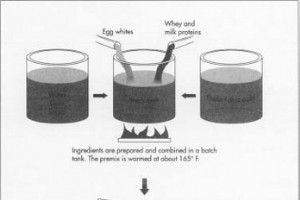
Background High‑fat diets have long been linked to obesity, cardiovascular disease, and other health concerns, prompting a multibillion‑dollar market for low‑fat, fat‑free, and calorie‑restricted products. Fat substitutes such as Simplesse® provide a means to enjoy the mouthfeel and creaminess of t

Background An elevator—a platform that can be open or enclosed—transports people and freight between floors. Modern high‑rise commercial and residential structures routinely incorporate elevators. The Americans with Disabilities Act (ADA) has mandated that many two‑ and three‑story buildings retrof
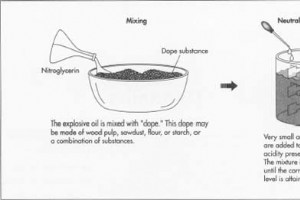
Background and Raw Materials Dynamite is a commercial explosive used mainly for demolition and mining. Invented in 1866 by Alfred Bernhard Nobel (1833-1896), it is more accurately d
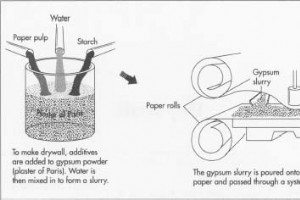
Background Drywall—thin panels of gypsum board—has replaced the old plaster‑on‑lath method, delivering a faster, more economical construction solution worldwide. The board consists of a gypsum core sandwiched between two layers of specially engineered paper. Beyond ease of installation, drywall pro
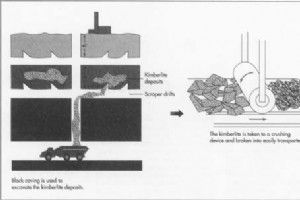
Background Diamonds are the hardest naturally occurring material, composed of a crystalline lattice of carbon atoms. They form within kimberlite, an igneous rock created by deep‑mantle volcanic eruptions that have shaped Earth’s crust for millions of years. Kimberlite is found in vertical shafts be
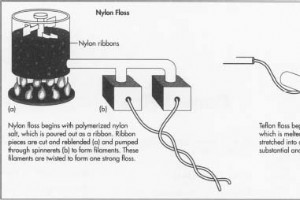
Background Dental floss is a slender filament designed to dislodge debris lodged between teeth and along the gum line. In 1994, Americans collectively used more than 2.5 million miles of floss—an amount equivalent to circling the globe over 100 times. Flossing removes plaque, a sticky, bacteria‑lad

Background Decorative plastic laminate is a durable, flat‑sheet material prized for its resistance to stains, scratches, and heat. Widely recognized under the Formica brand, it is produced by the world’s largest manufacturer, the Formica Corporation, as well as Premark and DuPont. History Invented
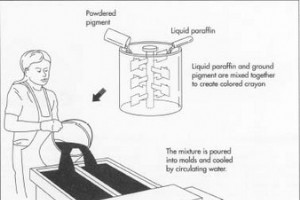
Background Graphic communication dates back to prehistoric cave drawings, where early humans scratched images with crude tools and limited pigments. Today’s artists have a wide range of sophisticated tools, but the humble crayon remains a staple in classrooms and creative studios worldwide. Crayons
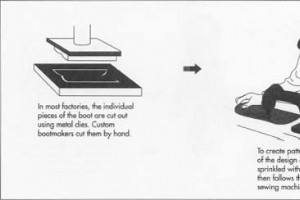
Background Traditional cowboy boots feature narrow toes, high‑sloped heels, and leather tops that extend halfway up the shin. Designed for men who spent most of their day in the saddle, these boots prioritize riding comfort over walking ease. Though modern iterations have improved fit, they remain
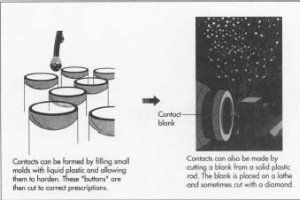
Background Contact lenses are thin, transparent devices placed directly on the cornea to correct refractive errors or alter eye color. They float on the tear film, delivering a stable optical surface. For certain visual disorders, contact lenses can provide superior visual acuity compared to specta
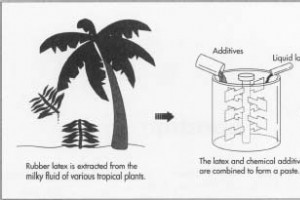
Background Condoms—thin, flexible sheaths worn by men during intercourse—serve as a barrier method that prevents pregnancy and the transmission of sexually transmitted infections (STIs). A 1995 National Survey of Family Growth by the National Center for Health Statistics found that male condoms are
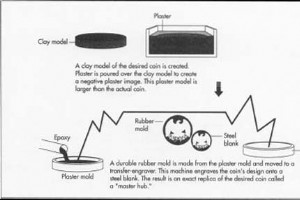
History Metals have served as a trusted medium of exchange for millennia, prized for durability and ease of fabrication. Around 1000 B.C., the Chinese produced metal tokens—known as spade and key money—that bore denominations and were cast in molds. These early artifacts were named for their shapes
Manufacturing process
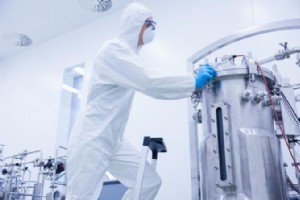
Choosing the Right Industrial Ladder: Expert Tips for Factory Equipment
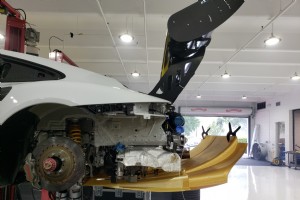
Stratasys Partners with Champion Motorsport to Validate 3D‑Printed Core Tech in Pikes Peak Performance
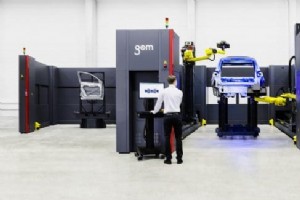
Advanced Structured Vision Solutions for Precise Manufacturing

Why Automation Centers of Excellence Must Prioritize End‑User Experience
