Industrial manufacturing
Manufacturing process


Background The piano is one of the most celebrated and widely loved instruments in musical history. With the widest tonal range of any single instrument, it is a foundational tool for composers and performers alike—whether played solo or as accompaniment for voices and other instruments. Technicall
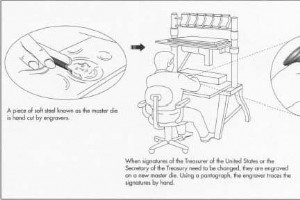
Background The concept of money—an exchange medium for goods and services—dates back to at least 3000 B.C., when Sumerians traded barley for metal coins. Paper money first appeared in 7th‑century China, but its lack of intrinsic value triggered inflation and fiscal crises. It wasnt until 1658 that
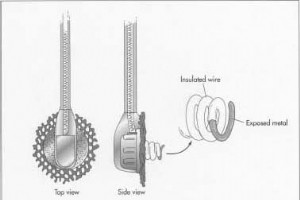
The pacemaker is a sophisticated electronic biomedical device that restores normal cardiac rhythm when the heart’s intrinsic pacemaking system fails. Implanted as a small, titanium‑encased module beneath the sternum, it delivers precisely timed electrical impulses via insulated leads that contact t
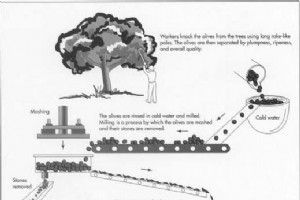
Background Olive trees and their fruit have been symbols of prosperity and peace since antiquity. Archaeological excavations on Crete reveal that olive cultivation dates back to 3500 B.C., and by 3000 B.C. Semitic peoples were already harvesting olives for ritual anointing and illumination. Ancient
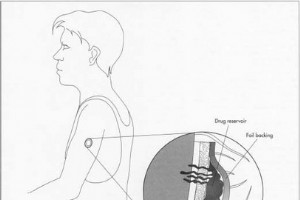
Background A nicotine patch is a transdermal drug delivery system that releases nicotine steadily through the skin into the bloodstream. It helps reduce cravings in smokers who are trying to quit. The patch consists of a drug reservoir sandwiched between a drug‑permeable adhesive layer that contact

Mosquito repellents are formulated to render surfaces unappealing to mosquitos. They contain a primary active ingredient that repels insects, plus secondary components that aid in delivery and enhance cosmetic appeal. While available in creams, lotions, and oils, the most common form on the market
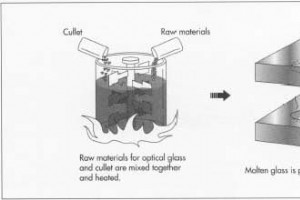
Background A microscope is a precision instrument that magnifies small specimens so they can be studied in detail. The most common variant is the optical microscope, which uses lenses and visible light to form an enlarged image. Other types—electron, acoustic, and scanning tunneling microscopes—use
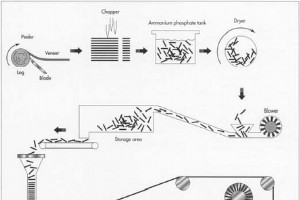
Background A match is a thin wooden stick or cardboard strip that bears a solidified mixture of flammable chemicals on one end. When struck on a rough surface, the friction generates enough heat to ignite the chemicals and produce a small flame. Two main types exist: strike‑anywhere matches, which
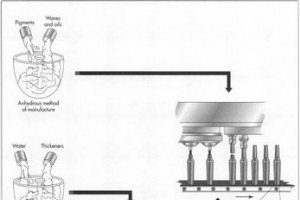
Background Mascara is a cosmetic designed to enhance the lashes by making them appear thicker, longer, and darker. Its roots trace back to ancient Egypt, where it may have been in use as early as 4000 B.C. Egyptians applied a substance called kohl—likely composed of galena, lead sulfite, malachite

Background Marshmallows rank among the oldest sweets known to humanity. Modern varieties span solid pillows, semi‑liquid confections, and creamy toppings, yet all share a common airy structure. History Originally, marshmallows were crafted from the sap of the marsh mallow (Althaea officinalis), a h

Background Markers—commonly known as felt‑tip pens—serve a wide range of roles across creative, educational, commercial, and civic contexts. Children use them for vibrant drawings, teachers employ bright red markers to grade work, retailers and performers rely on their high‑contrast colors to captu
Background The Algonquin Indians called it sinzibukwud, meaning drawn from wood. It was the Algonquins and the other Native American tribes of the northeaste
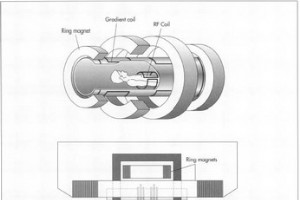
Magnetic Resonance Imaging (MRI) is a non‑invasive imaging modality that harnesses the natural resonance of hydrogen atoms in a strong magnetic field to produce detailed images of soft and hard tissues. First conceptualized in 1945, MRI has evolved into a cornerstone of modern diagnostics, offering
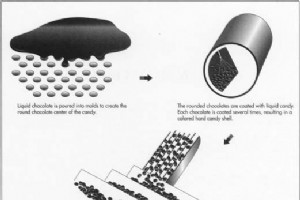
Background While the exact origins of M&M® candies are debated, one widely accepted story dates back to the 1930s. Soldiers in the Spanish Civil War found that coating chocolate with a sugar shell prevented melting in their pockets, inspiring the concept of a chocolate‑wrapped confection. The Mars
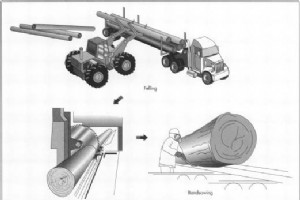
Background Lumber refers to wood pieces cut lengthwise from tree trunks, featuring rectangular or square cross‑sections. Unlike poles or pilings, which are round, lumber is shaped for structural use. The earliest documented use of wood in construction dates back 400,000 years to a site near Nice, F
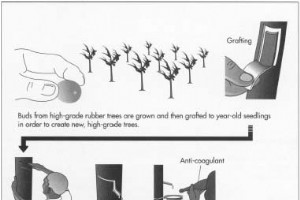
Background Latex is a colloidal suspension of microscopic polymer particles in water, serving as the raw material for natural rubber. Natural Latex In the United States, more than half of all natural latex consumption is driven by medical and industrial gloves, boots, and balloons. The adhesive sec
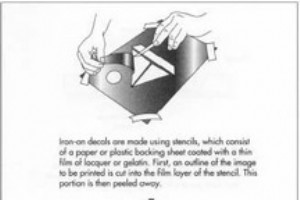
Background Iron‑on decals are high‑resolution images printed on special paper that can be transferred to fabric with heat and pressure. They are one of the four main decal types—slide‑off, varnish, pressure‑sensitive, and iron‑on. The word “decal” comes from the French decalquer, meaning to trace o
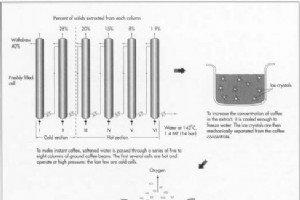
Background Instant (or soluble) coffee has been a staple for decades, prized for its convenience. In the 1970s, almost one‑third of the roasted coffee imported into the United States was converted into instant products, generating sales of over 200 million pounds annually. Today, roughly 15 % of U.
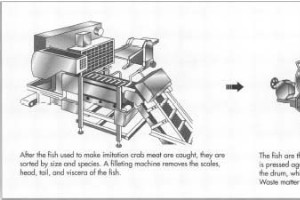
Background Imitation crab meat—commonly called surimi—has become a staple in American kitchens, with annual sales exceeding $250 million. The product was first developed in the mid‑1970s and is now produced on a global scale. Surimi is made from fish myofibrillar proteins that form a resilient gel
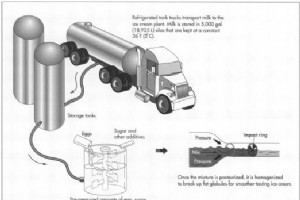
History Our fascination with frozen desserts dates back centuries. The Greeks, Romans, and Jews chilled wines and juices, a practice that evolved into fruit ices and, eventually, frozen milk‑cream mixtures. In the first century, Emperor Nero ordered snow from the mountains to create sweet, honey‑fl
Manufacturing process