Industrial manufacturing
Manufacturing process

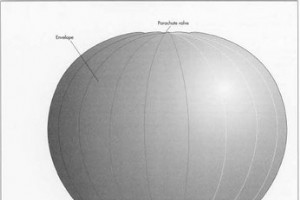
Background A hot air balloon consists of a non‑porous envelope made from thin, high‑strength fabric that is filled with a lifting gas. The envelope rises because the heated air inside displaces the cooler surrounding air, creating an upward buoyant force equal to the weight of the displaced air. Hi
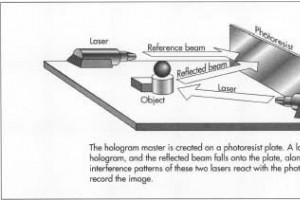
Background A hologram is a flat medium that, under appropriate illumination, renders a convincing three‑dimensional image. Some holograms even project a lifelike scene into free space, creating an image that can be photographed but not touched. Because they cannot be replicated with conventional co

Background Heavy‑duty trucks are classified by weight. A vehicle with a gross vehicle weight rating (GVWR) of 33,000 lb (15,000 kg) or more is considered heavy‑duty. When pulling a trailer, the gross combination weight rating (GCWR) can exceed 80,000 lb (36,360 kg). Trucks that haul their load with
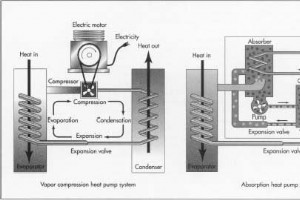
Background Society’s growing focus on environmental stewardship has accelerated demand for technologies that capture and redirect heat efficiently. Heat pumps fulfill this need by moving thermal energy from one place to another, often delivering heating in winter and cooling in summer. Unlike an ai

Background A harp is a plucked string instrument whose triangular frame opens on both sides. The length of each string determines its pitch. A modern concert harp measures roughly 70–75 in (1.8–1.9 m) tall, about 40 in (1 m) wide, weighs 70–90 lb (32–41 kg), and contains 47 strings ranging from a

Background The harmonica, also called the mouth organ, is a compact, hand‑held instrument that produces music by forcing air through precisely spaced reeds. The pitch of each note is determined by the length and thickness of the reed. Tracing its lineage back to the ancient Jew’s harp and the Chine
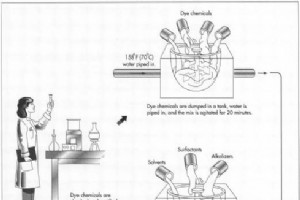
Historical OverviewHair dye is one of the oldest beauty practices known to humanity. Ancient Egyptians, Greeks, Hebrews, Persians, Chinese, and early Hindus all documented the use of natural colorants. Early formulations combined plant extracts, metallic compounds, and sometimes both.Roman bleaching
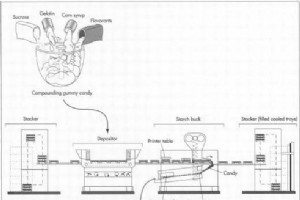
Background Gummy candy is a versatile confection made from gelatin, sweeteners, flavorings, and colorants. Its unique, chewy texture allows it to be molded into virtually any shape, making it one of the most adaptable sweets on the market. First invented in Germany in the early 1900s, gummy candy s
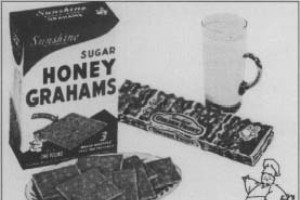
Background Graham crackers are whole‑wheat biscuits flavored lightly with sugar or honey, available in a variety of sizes and shapes. First created in 1829, they have remained a beloved snack, with millions sold each year. The invention is credited to Sylvester Graham, an American clergyman who cha
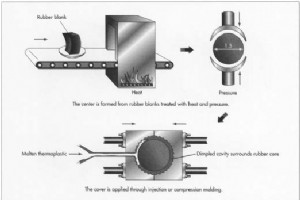
Background Golf, a game of Scottish origin, is one of the most popular sports in the world. In the United States alone more than 24 million people play golf, including over 8,000 pr
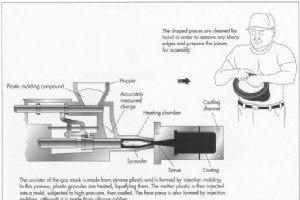
Background A gas mask protects wearers from harmful vapors, dust, and pollutants. It may supply its own fresh air or use a filter cartridge to screen contaminants. The latter, known as an Air‑Purifying Respirator (APR), features a tight‑fitting facepiece, one or more filter cartridges, an exhalatio
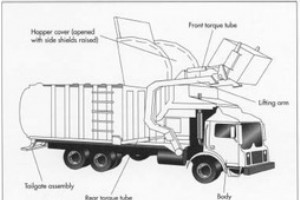
Background Solid waste, commonly referred to as garbage, trash, or refuse, has challenged societies since ancient times. In 500 B.C., the Greek city of Athens pioneered the first municipal dump, mandating that refuse be discarded at least one mile (1.6 km) beyond its walls. By the 15th century, Par
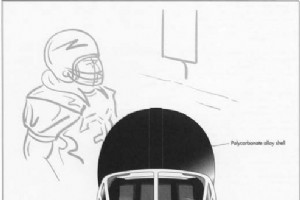
Background Amateur and professional football players rely on protective gear—helmets, face masks, and mouthguards—to reduce injury risk. The helmet, with its chin strap and face mask, not only shields players but also showcases team identity. The first helmets, dating back to 1915, were simple leat
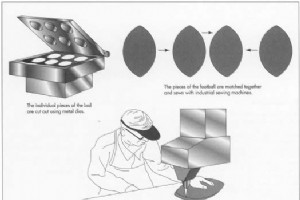
\nBackground\nWhile modern football is generally traced to the 19th century, archaeological and literary evidence indicates that ancient Greeks played a game called harpaston—an early precursor to contemporary football.\nHarpaston was played on a rectangular pitch with goal lines at each end. Two te
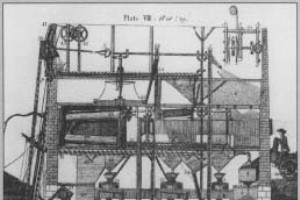
Background Flour is a finely ground powder derived from grains or other starchy plant foods and is the cornerstone of modern baking. While a variety of crops can produce flour—wheat, barley, corn, rye, and others—the industry’s standard remains wheat. Wheat flour’s high gluten content, an elastic p
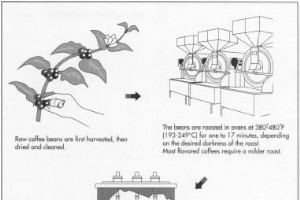
Background Flavored coffee beans are coated with flavor compounds to enhance their natural profile. The coatings also help extend shelf life by masking changes that arise from decaffeination, oxidation or aging. While flavored coffees have existed for centuries, the 1990s gourmet boom sparked a sur
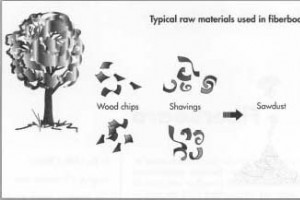
Background Engineered wood, also known as composite forest products, is produced by bonding wood fibers, chips, and shavings with resins under heat and pressure. In the United States, the industry annually generates about 21 million metric tons (21 million tons) of composite wood. The most common f
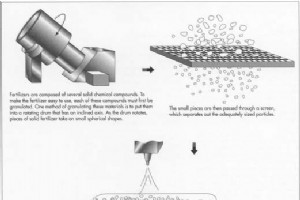
Background Fertilizer is a substance applied to soil to enhance plant growth and yield. First used by ancient farmers, its technology evolved as the chemical requirements of plants became understood. Modern synthetic fertilizers are primarily composed of nitrogen, phosphorus, and potassium, often s
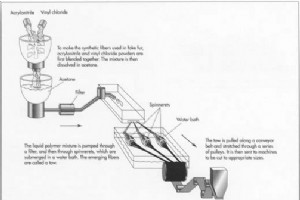
Fake fur, a synthetic textile engineered to mimic real animal fur, is a pile fabric typically crafted from polymeric fibers that are processed, dyed, and cut to replicate specific fur textures and colors. First introduced in 1929, advances in polymer technology have dramatically improved fake fur qu
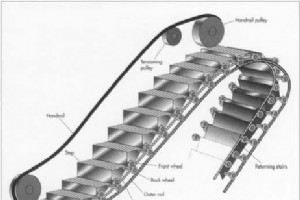
Background Escalators are power‑driven, continuous moving stairways engineered to transport passengers up and down short vertical distances. They are ubiquitous in shopping centers, airports, transit hubs, hotels, and public buildings where elevators would be impractical. With a global fleet of ove
Manufacturing process