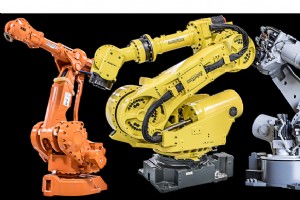
Industrial manufacturing
Manufacturing process

Background CNC, or Computer Numerical Control machines, are advanced metalworking tools that craft complex parts essential to modern technology. Evolving alongside computer advances, CNC systems now perform as lathes, milling machines, laser cutters, abrasive jet cutters, punch presses, and press b

Background Tobacco smoking is a practice which has changed little since American natives first stuffed the tobacco they cultivated in the hills of what is today modern Mexico into h
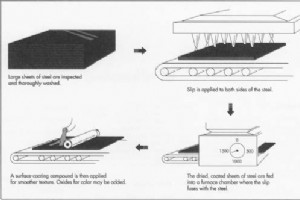
Background The chalkboard—a flat, vertical writing surface—has become an iconic educational tool, yet it also finds use in workplaces, homes, and even restaurants. While many materials can be used, porcelain enamel remains the industry standard today. Tracing its roots to the early 19th century, th
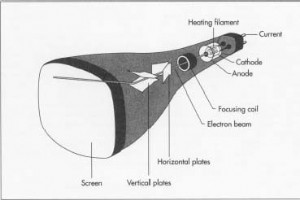
Background A cathode‑ray tube (CRT) is an electronic display that uses a focused electron beam to excite a phosphorescent screen, creating images that can be rapidly repositioned in both location and intensity. The CRT’s most iconic use is as the picture tube in televisions, but it also powers osci
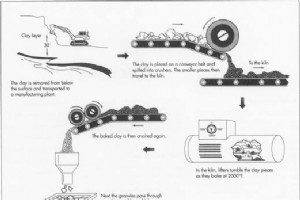
Background H. Edward Lowe is considered the father of the cat litter industry. In January 1947, Lowe had a thriving building supply business in Cassopolis, Michigan. One of Lowe�
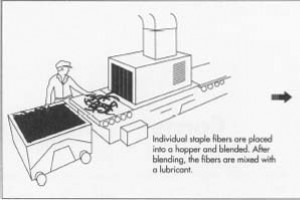
Background Carpet—distinct from a rug—is a permanent textile covering that extends from wall to wall. The earliest homes were lined with animal skins, grass, or reed mats. As spinning of cotton and wool became commonplace, woven mats of these fibers largely replaced earlier materials. By 3000 B.C.,
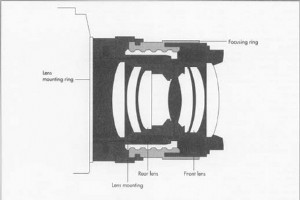
Background The camera lens is engineered to mimic the human eye: it captures light, focuses it, and delivers color, sharpness, and brightness to photographic film or sensor, preserving the image for later use. Lenses are made from optical glass or precision‑grade plastics, with curvature and spacin
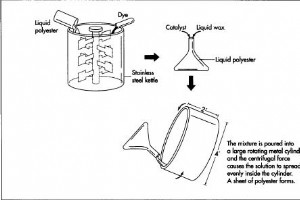
Background The button’s origins stretch back to prehistoric times, yet it has survived millennia of changing fashion and manufacturing techniques. While buttons were in use for thousands of years, the buttonhole—believed to have been introduced to Europe by Crusader knights in the 13th century—spar
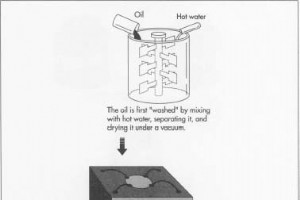
Background Butter is a soft, yellow‑hued emulsion of butterfat, water, air, and occasionally salt. It originates from the churning of cream and serves as both a spread and a foundational ingredient in cooking and baking. Margarine, an inexpensive alternative, is produced from plant or animal oils t
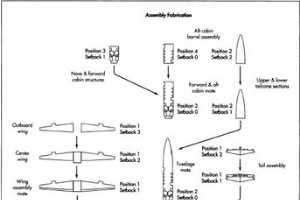
Background Business jet aircraft—often called "biz‑jets"—typically transport 5‑15 passengers and are the preferred mode of travel for business executives and government officials. In the earliest days of aviation, pre‑World War I aircraft were handcrafted from wood and canvas. Skilled art
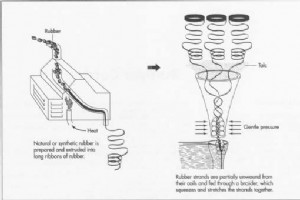
Background Bungee cord is a resilient elastic strap composed of one or more rubber strands bound together by a protective fabric sleeve. Originally developed for securing cargo and absorbing the shock of parachute openings, the technology soon found its way into recreational bungee jumping, where a
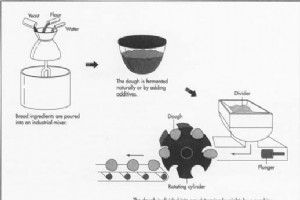
History Wheat and barley, among the first cultivated grains, were consumed by people as early as 5000 B.C. By adding water and heating the mixture on hot stones, early humans created the first porridges and flat breads, laying the groundwork for modern baking. The ancient Egyptians cultivated barle
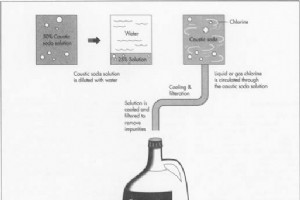
Background Bleach is a naturally derived chemical that whitens fabrics through oxidation. By introducing oxygen, it breaks down pigment molecules into smaller, removable fragments. In laundry, detergents and machine agitation accelerate this process, while the disinfectant action similarly oxidizes
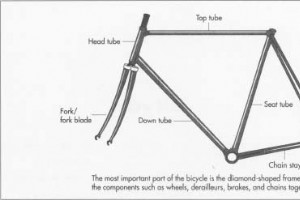
Background Bicycles rank among the most widely used forms of personal transport worldwide, with an estimated 800 million units—double the number of cars on the road. Beyond commuting, they fuel fitness, competition, and adventure. Energy‑wise, a cyclist expends roughly 35 calories per mile (22 kcal
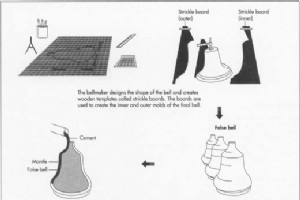
Background From prehistoric temples to modern civic ceremonies, bells have signaled moments of joy, warning, and mourning across cultures. Their resonant tones call the faithful to worship, mark the passing of time, and even influence weather and spirits in ancient folklore. In Buddhism and Christi
Background Beer, the world’s oldest brewed beverage, traces its roots back to around 7,000 B.C. in Mesopotamia. While the Egyptians and Greeks produced various fermented drinks, the term “beer” first appears in Celtic and Biblical texts. Monastic communities in medieval Europe refined brewing techn
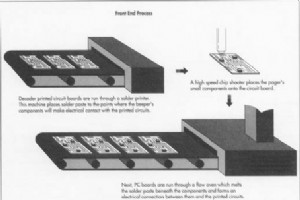
Background A pager, commonly known as a beeper, is a compact, battery‑powered device that alerts its wearer when someone attempts to reach them by phone. By 1992, approximately 2.9 million U.S. residents carried a beeper, with global adoption exceeding that figure. Initially reserved for doctors and
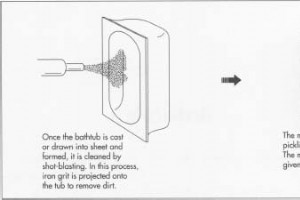
Background While bathing has been part of human culture since prehistoric times, early baths served mainly religious, social, or recreational purposes rather than hygiene. The Greeks pioneered indoor bathrooms with water supply and drainage as early as 1700 B.C. The Romans elevated bathing to a cen
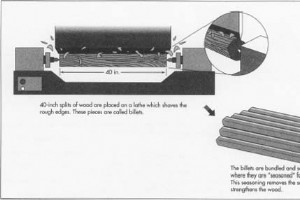
Background When the game of baseball was first played, players used sticks to hit the ball. By the time the sport was formally organized, each player either whittled his own bat or purchased one from a local woodturner. The 1863 league specifications were broad: any wood was allowed, and the bat
Background Barbed wire is a fencing material consisting of a metal cable with regularly spaced sharp projections. The cable usually consists of two wires twisted around each other t
Manufacturing process