Industrial manufacturing
Manufacturing process

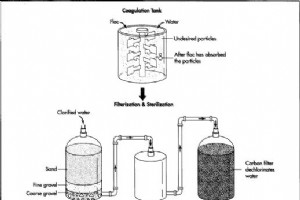
Background Soft drinks—carbonated beverages sweetened with sugar or its substitutes—are a global phenomenon. Every year, consumers in nearly 200 countries pour more than 34 billion gallons of these sparkling drinks into glasses. In the United States, they dominate the beverage sector, accounting fo
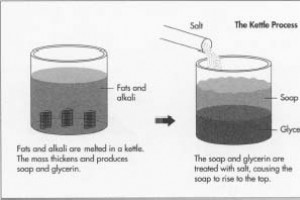
Background Soap is a classic saponification product, created by reacting animal fat or plant oil with a strong alkali such as sodium hydroxide. When dissolved in water, it emulsifies and lifts dirt, making it an essential cleansing agent throughout history. Beyond its modern use as a simple cleanse
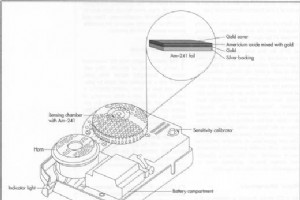
Background A smoke detector senses airborne particles and alerts occupants, giving them critical seconds to escape before smoke inhalation or burns become lethal. Equipping a home with at least one smoke detector can reduce the risk of fatality in a fire by 50%. In 1992, readers of R&D Magazine nam
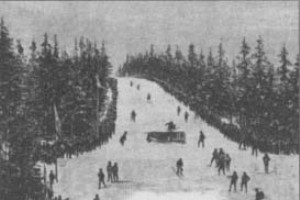
Background While modern skiing is a celebrated pastime, its origins lie in survival. About 5,000 years ago, the first skis were fashioned in Scandinavia as a swift means of winter travel. Early Swedes, Norwegians, and Finns likely adapted the snowshoe concept, using long animal femur bones to creat
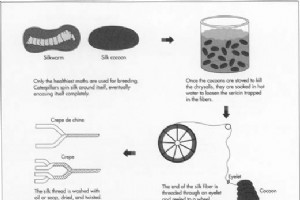
Background Silk has been the benchmark of luxury fabrics for thousands of years. Its origins trace back to ancient China, where legend tells of a princess discovering silk when a cocoon fell into her tea, its fibers unwinding in the hot liquid. Historical records credit Empress Si‑Ling, the Goddess
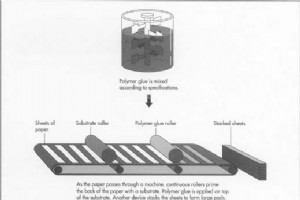
Background Sticky notes – or Post‑It notes – have transformed how we jot ideas. Their ease of use, lack of fasteners, and non‑damaging adhesive make them a staple on desks, computers, files, and even refrigerators. Introduced by 3M in 1980, the first Post‑It pads quickly became the company’s bes
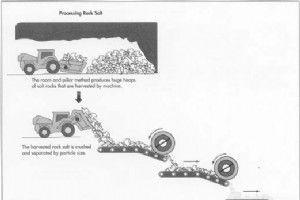
Background Salt, chemically known as sodium chloride (NaCl), crystallizes as transparent cubic crystals. While most people recognize salt as a kitchen staple, less than 5% of U.S. production is destined for that purpose. Approximately 70% is supplied to the chemical industry—primarily as a chlorine
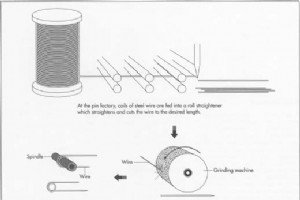
Background The modern safety pin—an elegant coiled steel wire sharpened at one end and fitted with a catch plate—originated in New York City around 1825. Inventor Walter Hunt, indebted to a $15 loan, engineered the first “safe pin” to secure clothing while protecting the wearer’s fingers. He patent
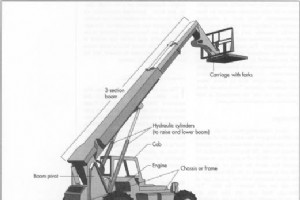
Background A forklift is a mobile machine that uses two prongs, or forks, to lift and place loads in positions that are otherwise hard to reach. Forklifts fall into two main categories: industrial and rough‑terrain. Industrial models are common in warehouses and truck or train loading docks; they
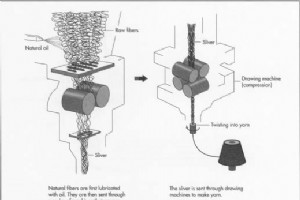
Background A rope is a bundle of flexible fibers twisted or braided to enhance length and tensile strength. From prehistoric hunting to contemporary marine operations, ropes have been essential for lifting, carrying, and climbing. Early ropes were hand‑crafted from natural fibers; modern production
Background Road signs use shapes, colors, words, and symbols to communicate a message to drivers. Without such signs, the movement of traffic would be disorderly and unpredictable.
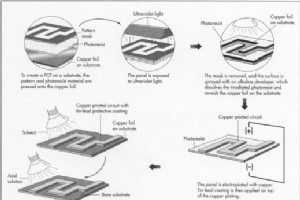
Background A printed circuit board (PCB) is a self‑contained module that integrates electronic components into a single, compact unit. From simple pagers and radios to advanced radar and computer systems, PCBs form the backbone of modern electronics. The circuitry is printed—via conductive ink or et
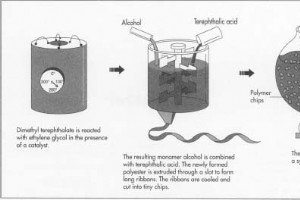
Background Polyester is a high‑performance synthetic fiber engineered from coal, air, water, and petroleum. The modern polyester family emerged in the 20th‑century laboratory, where chemists combined an acid and an alcohol to create long, stable molecules that repeat along their backbone. These mol
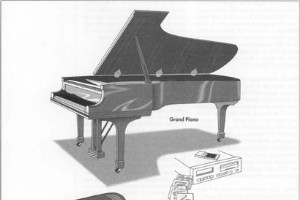
Background The player piano begins as a standard, or non-player, acoustic piano. It contains a keyboard, and, when the keys are struck, felt hammers strike tuned metal strings to cr

Background Plastic wrap is a form of food packaging consisting of a thin film of flexible, transparent polymer that clings to itself and to food containers to form a tight seal. The
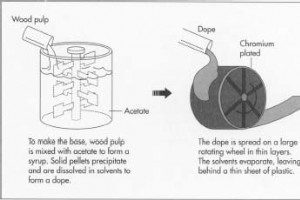
Background Photographic film is a light‑sensitive medium that records a fixed image when exposed to illumination. Placed inside a camera, the film captures light that has passed through the lens—often magnified or reduced—by a shutter that opens for a precise duration. The interplay between shutter
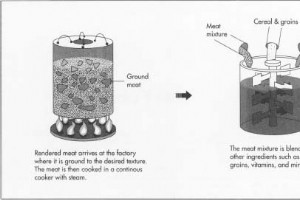
Background For the most current description of the pet food manufacturing process visit: www.petfoodinstitute.org Pet food is a specialty product tailored to the nutritional requirements of domestic animals. It typically includes meat, meat by‑products, cereals, grains, vitamins, and minerals. In t
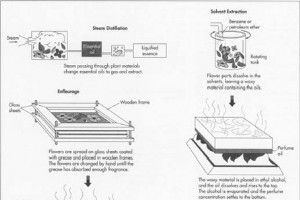
BackgroundFor millennia, humans have used perfume to mask or enhance personal scent, drawing inspiration from nature’s most pleasant aromas. Natural and synthetic materials alike are blended for skin, clothing, cosmetics, cleaning products, and ambient fragrance. Because body chemistry, temperature,
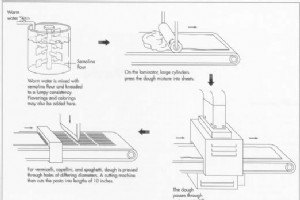
Background Pasta is a globally cherished staple, with every culture offering its own noodle variant—China’s mein, Japan’s udon, Poland’s pierogi, Germany’s spaetzle, and countless others. Its widespread appeal stems from simple manufacturing, compact storage, ease of cooking, and a rich supply of c
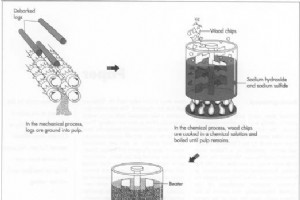
Background Paper—an indispensable medium for written communication—originated from simple plant fibers. The earliest form was papyrus, crafted by ancient Egyptians from reeds. In the second century CE, Chinese court official Cai Lun introduced a revolutionary papermaking technique using bark, disca
Manufacturing process