


Industrial manufacturing
Manufacturing process

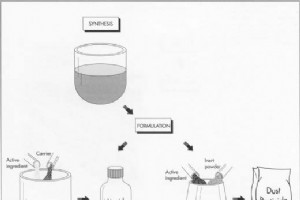
Background A pesticide is any device, method, or chemical that eliminates plants or animals that threaten food production or are otherwise undesirable. The term covers insecticides, fungicides, herbicides, nematocides, and rodenticides. Because insects account for the majority of pest species, this
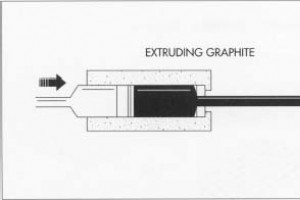
Background One of the oldest and most widely used writing utensils, the pencil originated in pre-historic times when chalky rocks and charred sticks were used to draw on surfaces as
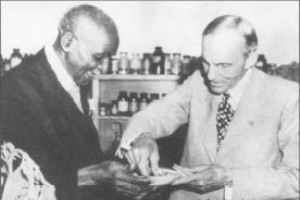
Background Wild peanuts originated in Bolivia and northeastern Argentina. The cultivated species, Arachis hypogaea, was grown by Indians in pre-Columbian tim

Background Pantyhose are a form of sheer women's hosiery that extend from the waist to the toes. The terms hosiery and stocking
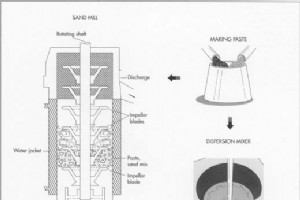
Background Paint—defined as pigment suspended in a liquid or paste vehicle—serves both protective and decorative purposes. Applied with brush, roller, or spray gun, it coats wood, metal, stone, and more. The earliest known paintings, dated between 20,000 and 25,000 years ago, survive in French a
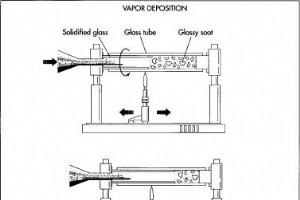
Background Optical fiber—a single, hair‑fine strand of molten silica glass—has become the backbone of modern high‑speed communication. By converting electrical data into light pulses, these fibers transmit signals with minimal loss over vast distances. Today, the largest users are U.S. telecom oper
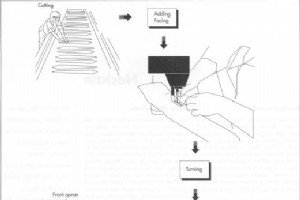
Background Neckwear dates back over 30,000 years, when early humans adorned their chests with beads and bangles. Throughout history, people have worn wood, metal, pearls, feathers, glass, or cloth around their necks. A widespread medieval belief that illnesses entered through the throat may explain
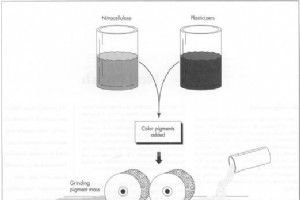
Background Unlike many cosmetics with millennia of tradition, nail polish is a product of twentieth‑century chemistry. While ancient Egyptians used henna to color nails, the modern formulation—nitrocellulose, resins, solvents, pigments—emerged with advances in synthetic chemistry. Today nail polish
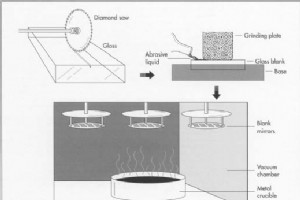
Background Since antiquity, reflections have captivated humanity. From the myth of Narcissus gazing into a pool to the enchanted mirrors of folklore, early societies attributed mystical qualities to reflective surfaces. Over centuries, mirrors evolved from polished metal plates and reflective pools
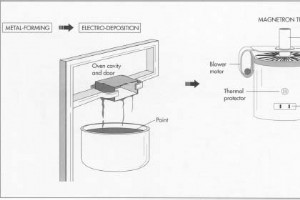
Background Microwaves belong to the electromagnetic spectrum, a continuum of energy that travels through space via interacting electric and magnetic fields. The spectrum ranges from long‑wave radio to gamma rays, with microwaves occupying the 0.3–30 cm band (approximately 1–30 GHz). Their unique ab

Background Historical evidence suggests that the mattress originated in prehistoric times. Early humans laid on layers of leaves, straw, and animal skins, which offered a more comfortable and restful sleep than hard surfaces. As societies transitioned from nomadic hunting to settled agriculture, ru
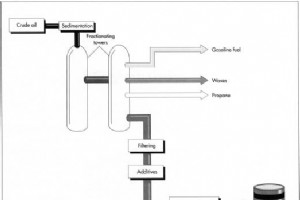
Background Since the Roman era, many liquids, including water, have been used as lubricants to minimize the friction, heat, and wear between mechanical parts in contact with each ot
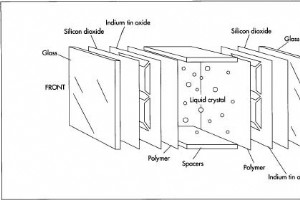
Background Liquid Crystal Displays (LCDs) leverage electrically responsive liquid crystals to render alphanumeric text and graphics in a wide range of devices—from laptops and fax machines to compact disc players and portable clocks. The most sophisticated variant, active‑matrix LCDs (AMLCDs), powe
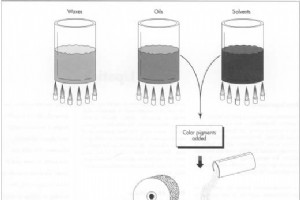
Historical Background Cosmetics have a long heritage, with early lip color use traced back to Sumerians, Egyptians, Syrians, Babylonians, Persians, and Greeks. In the 16th century, Queen Elizabeth I and her court favored red mercuric sulfide to tint lips, while rouge was commonly applied to both li
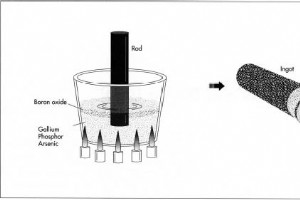
Background Light‑emitting diodes (LEDs) are now a ubiquitous component of modern electronics. They power indicator lights on stereos, automobile dashboards, and microwave ovens, form the bars in numeric displays on clock radios, digital watches, and calculators, and even enable short‑range optical

Background Until the early 19th century, fire was humanity’s primary illumination source. Torches, candles, oil, and gas lamps offered limited brightness and posed significant indoor fire hazards. The first electric lighting experiments were conducted by English chemist Sir Humphry Davy, who demons
Background The lawn mower is a mechanical device that shaves grass by rotating one or more blades at high speed. While early workers cut lawns with scythes—slow, tiring, and effective only on wet grass—mechanized cutting began with Edwin Budding’s 1830 prototype, inspired by textile shearing machin

Background The first soaps were produced in antiquity by boiling fats and ashes. Archaeological digs in ancient Babylon uncovered evidence that soap was used as far back as 2800 B.C.. By the second century A.D., Romans were regularly making soap, likely having started earlier. During the Middle Age
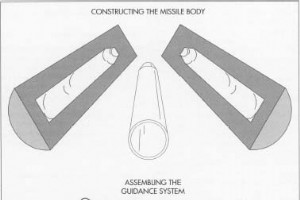
Background Missiles differ from rockets in that they are steered toward a pre‑selected target by a guidance system. During World War II, unguided rockets proved useful but highly inaccurate, often requiring multiple launches to achieve a hit. This shortcoming spurred the integration of emerging rad
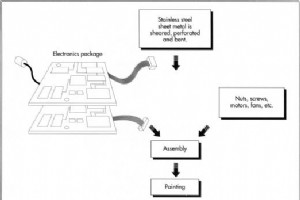
A laboratory incubator is a transparent chamber equipped with precise controls for temperature, humidity, and ventilation. Historically used for hatching poultry eggs and supporting premature infants, its most recent and critical role lies in cultivating and manipulating microorganisms for medical
Manufacturing process
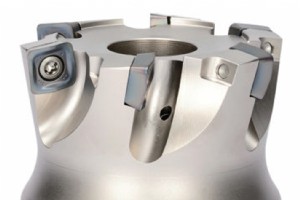
High-Feed Milling: Boosting Efficiency with Kyocera’s Advanced Cutters

IXON Cloud IIoT Starter Kit – Plug‑and‑Play for Industrial IoT
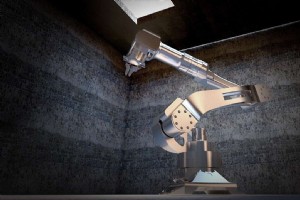
Leveraging IoT to Empower Heavy Equipment Operators: Boost Efficiency & Safety
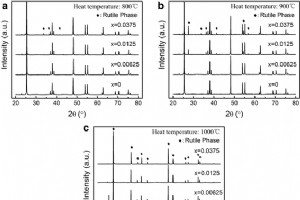
Chromium‑Doped Titanium Dioxide: A Novel Colored Cool Pigment with High Near‑Infrared Reflectance
