


Industrial manufacturing
Metal

PropertiesGeneralPropertyTemperatureValueCommentDensity23.0 °C7.8 - 7.9 g/cm³Typical for Low Carbon SteelMechanicalPropertyTemperatureValueCommentElastic modulus23.0 °C200 - 215 GPaTypical for Low Carbon SteelElongation23.0 °C18 %Elongation A5023.0 °C18 %Poisson's ratio23.0 °C0.29 [-]Typical fo
PropertiesGeneralPropertyTemperatureValueCommentDensity23.0 °C7.8 - 7.9 g/cm³Typical for Low Carbon SteelMechanicalPropertyTemperatureValueCommentElastic modulus23.0 °C200 - 215 GPaTypical for Low Carbon SteelElongation23.0 °C18 %Elongation A5023.0 °C18 %Poisson's ratio23.0 °C0.29 [-]Typical fo
PropertiesGeneralPropertyTemperatureValueCommentDensity23.0 °C7.8 - 7.9 g/cm³Typical for Low Carbon SteelMechanicalPropertyTemperatureValueCommentElastic modulus23.0 °C200 - 215 GPaTypical for Low Carbon SteelElongation23.0 °C18 %Elongation A5023.0 °C18 %Poisson's ratio23.0 °C0.29 [-]Typical fo
PropertiesGeneralPropertyTemperatureValueCommentDensity23.0 °C7.8 - 7.9 g/cm³Typical for Low Carbon SteelMechanicalPropertyTemperatureValueCommentElastic modulus23.0 °C200 - 215 GPaTypical for Low Carbon SteelElongation23.0 °C18 %Elongation A5023.0 °C18 %Poisson's ratio23.0 °C0.29 [-]Typical fo
PropertiesGeneralPropertyTemperatureValueCommentDensity23.0 °C7.8 - 7.9 g/cm³Typical for Low Carbon SteelMechanicalPropertyTemperatureValueCommentElastic modulus23.0 °C200 - 215 GPaTypical for Low Carbon SteelElongation23.0 °C27 %Elongation A5023.0 °C27 %Poisson's ratio23.0 °C0.29 [-]Typical fo
PropertiesGeneralPropertyTemperatureValueCommentDensity23.0 °C7.8 - 7.9 g/cm³Typical for Low Carbon SteelMechanicalPropertyTemperatureValueCommentElastic modulus23.0 °C200 - 215 GPaTypical for Low Carbon SteelElongation23.0 °C25 %Elongation A5023.0 °C25 %Poisson's ratio23.0 °C0.29 [-]Typical fo
PropertiesGeneralPropertyTemperatureValueCommentDensity23.0 °C7.8 - 7.9 g/cm³Typical for Low Carbon SteelMechanicalPropertyTemperatureValueCommentElastic modulus23.0 °C200 - 215 GPaTypical for Low Carbon SteelElongation23.0 °C27 %Elongation A5023.0 °C27 %Poisson's ratio23.0 °C0.29 [-]Typical fo
The steel is used for rail vehicle and container engineering acc. to the selected standard DIN 5512-2.The corresponding properties of EN 10130 shall be taken.PropertiesGeneralPropertyTemperatureValueCommentDensity23.0 °C7.8 - 7.9 g/cm³Typical for Low Carbon SteelMechanicalPropertyTemperatureValueCom
BSt 500 S (short: IVS) is a ribbed concrete-reinforcing steel of mean strength (YS: 500 N/mm²) for single rod reinforcing. The steel wiil also produced as reinforcing wire BSt500 G (smooth) and BSt 500 P (profiled), diameters 4-12 mm. The weldability is given for the methods metal-arc welding, meta
= 500 N/mm²). Application as single wire or in reinforcing mats. The weldability is given for the methods metal-arc welding, metal-arc active gas welding and resistance spot welding.PropertiesGeneralPropertyTemperatureValueCommentDensity23.0 °C7.8 - 7.9 g/cm³Typical for Low Carbon SteelMechanicalPro
= 500 N/mm²). Application as single wire or in reinforcing mats. The weldability is given for the methods metal-arc welding, metal-arc active gas welding and resistance spot welding.PropertiesGeneralPropertyTemperatureValueCommentDensity23.0 °C7.8 - 7.9 g/cm³Typical for Low Carbon SteelMechanicalPro
BSt 420 S (short: IIIS) is a ribbed concrete-reinforcing steel of medium strength (YS: 420 N/mm²) for single rod reinforcing. The weldability is given for the methods metal-arc welding, metal-arc active gas welding, pressure gas welding, flash welding and resistance spot welding. For high corrosive
PropertiesGeneralPropertyTemperatureValueCommentDensity23.0 °C7.8 - 7.9 g/cm³Typical for Low Carbon SteelMechanicalPropertyTemperatureValueCommentElastic modulus23.0 °C200 - 215 GPaTypical for Low Carbon SteelElongation23.0 °C16 %Elongation A5023.0 °C16 %Poisson's ratio23.0 °C0.29 [-]Typical fo
PropertiesGeneralPropertyTemperatureValueCommentDensity23.0 °C7.8 - 7.9 g/cm³Typical for Low Carbon SteelMechanicalPropertyTemperatureValueCommentElastic modulus23.0 °C200 - 215 GPaTypical for Low Carbon SteelElongation23.0 °C16 %Elongation A5023.0 °C16 %Poisson's ratio23.0 °C0.29 [-]Typical fo
PropertiesGeneralPropertyTemperatureValueCommentDensity23.0 °C7.8 - 7.9 g/cm³Typical for Low Carbon SteelMechanicalPropertyTemperatureValueCommentElastic modulus23.0 °C200 - 215 GPaTypical for Low Carbon SteelElongation23.0 °C16 %Elongation A5023.0 °C16 %Poisson's ratio23.0 °C0.29 [-]Typical fo
PropertiesGeneralPropertyTemperatureValueCommentDensity23.0 °C7.8 - 7.9 g/cm³Typical for Low Carbon SteelMechanicalPropertyTemperatureValueCommentElastic modulus23.0 °C200 - 215 GPaTypical for Low Carbon SteelElongation23.0 °C16 %Elongation A5023.0 °C16 %Poisson's ratio23.0 °C0.29 [-]Typical fo
PropertiesGeneralPropertyTemperatureValueCommentDensity23.0 °C7.8 - 7.9 g/cm³Typical for Low Carbon SteelMechanicalPropertyTemperatureValueCommentElastic modulus23.0 °C200 - 215 GPaTypical for Low Carbon SteelElongation23.0 °C16 %Elongation A5023.0 °C16 %Poisson's ratio23.0 °C0.29 [-]Typical fo
PropertiesGeneralPropertyTemperatureValueCommentDensity23.0 °C7.8 - 7.9 g/cm³Typical for Low Carbon SteelMechanicalPropertyTemperatureValueCommentElastic modulus23.0 °C200 - 215 GPaTypical for Low Carbon SteelElongation23.0 °C16 %Elongation A5023.0 °C16 %Poisson's ratio23.0 °C0.29 [-]Typical fo
PropertiesGeneralPropertyTemperatureValueCommentDensity23.0 °C7.8 - 7.9 g/cm³Typical for Low Carbon SteelMechanicalPropertyTemperatureValueCommentElastic modulus23.0 °C200 - 215 GPaTypical for Low Carbon SteelElongation23.0 °C16 %Elongation A5023.0 °C16 %Poisson's ratio23.0 °C0.29 [-]Typical fo
PropertiesGeneralPropertyTemperatureValueCommentDensity23.0 °C7.8 - 7.9 g/cm³Typical for Low Carbon SteelMechanicalPropertyTemperatureValueCommentElastic modulus23.0 °C200 - 215 GPaTypical for Low Carbon SteelElongation23.0 °C16 %Elongation A5023.0 °C16 %Poisson's ratio23.0 °C0.29 [-]Typical fo
Metal
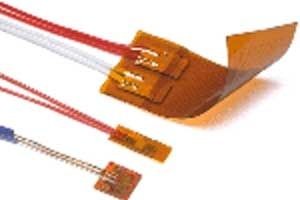
Understanding RTD Sensors: Principles, Accuracy, and Key Applications
Unveiling jQuery 3: 17 Powerful New Features & How to Leverage Them

ABB Launches Magnetic Levitation Shuttle System, Enhancing Adaptive Manufacturing
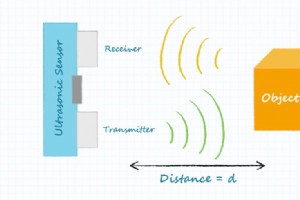
Proximity Sensors: Comparing Ultrasonic, Photoelectric, Laser, and Inductive Technologies

