


Industrial manufacturing
Metal

CuSn6, mat. No. CW425K, is comparable to the DIN-make CuSn6, mat. No. 2.1020, acc. to DIN 17662 : 1983-12. Properties of the CuSn-alloy are predominantly determined by the tin-content. Tensile strength, yield point and hardness increase according to the rising cold forming grade, elongation after fr
CuSn6, mat. No. CW425K, is comparable to the DIN-make CuSn6, mat. No. 2.1020, acc. to DIN 17662 : 1983-12. Properties of the CuSn-alloy are predominantly determined by the tin-content. Tensile strength, yield point and hardness increase according to the rising cold forming grade, elongation after fr
Material G17CrMo9-10 is equivalent to trademark GS-18 CrMo 9 10 acc. to DIN17245-87. It is used at room temperature and increased temperatures. The DIN-make is applicated for thick-walled castings at high temperatures and pressures, such as turbines, pressure vessels and steam boilers.PropertiesGene
Material CuSn5, mat. No. CW451K is used in the form of tubes for manometer springs or hose tubes as well as for contact springs and connectors. Basically the same application area as CuSn6 (CW452K). CuSn5 shows slightly higher electrical conductivity at slightly lower strength due to the lower tin-c
Material CuSn5, mat. No. CW451K is used in the form of tubes for manometer springs or hose tubes as well as for contact springs and connectors. Basically the same application area as CuSn6 (CW452K). CuSn5 shows slightly higher electrical conductivity at slightly lower strength due to the lower tin-c
Cuco2Be, mat. No CW104C, is counted among hardenable, low alloyed copper alloys. To the comparable make Cuco2Be, mat. No 2.1285, acc. to DIN 17666 : 1983-12 applies: CuCo2Be achieves compared to CuBe2 at slightly lower hardness and strength values higher electrical and thermal conductivity. The temp
Material CuSn5, mat. No. CW451K is used in the form of tubes for manometer springs or hose tubes as well as for contact springs and connectors. Basically the same application area as CuSn6 (CW452K). CuSn5 shows slightly higher electrical conductivity at slightly lower strength due to the lower tin-c
CuSn4, mat. No. CW450K, is comparable to the DIN-make CuSn4, mat. No. 2.1016, acc. to DIN 17662 : 1983-12. The material is specified by a favorable combination of very good cold formability with strength and hardness. It is corrosion resistant, good soft and hard solderable and shows still good elec
CuSn4, mat. No. CW450K, is comparable to the DIN-make CuSn4, mat. No. 2.1016, acc. to DIN 17662 : 1983-12. The material is specified by a favorable combination of very good cold formability with strength and hardness. It is corrosion resistant, good soft and hard solderable and shows still good elec
CuSn4, mat. No. CW450K, is comparable to the DIN-make CuSn4, mat. No. 2.1016, acc. to DIN 17662 : 1983-12. The material is specified by a favorable combination of very good cold formability with strength and hardness. It is corrosion resistant, good soft and hard solderable and shows still good elec
CuSn4, mat. No. CW450K, is comparable to the DIN-make CuSn4, mat. No. 2.1016, acc. to DIN 17662 : 1983-12. The material is specified by a favorable combination of very good cold formability with strength and hardness. It is corrosion resistant, good soft and hard solderable and shows still good elec
CuSn4, mat. No. CW450K, is comparable to the DIN-make CuSn4, mat. No. 2.1016, acc. to DIN 17662 : 1983-12. The material is specified by a favorable combination of very good cold formability with strength and hardness. It is corrosion resistant, good soft and hard solderable and shows still good elec
CuSn4, mat. No. CW450K, is comparable to the DIN-make CuSn4, mat. No. 2.1016, acc. to DIN 17662 : 1983-12. The material is specified by a favorable combination of very good cold formability with strength and hardness. It is corrosion resistant, good soft and hard solderable and shows still good elec
CuSn4, mat. No. CW450K, is comparable to the DIN-make CuSn4, mat. No. 2.1016, acc. to DIN 17662 : 1983-12. The material is specified by a favorable combination of very good cold formability with strength and hardness. It is corrosion resistant, good soft and hard solderable and shows still good elec
CuBe2, mat. No CW101C, is counted among hardenable, low alloyed copper alloys. To the comparable make CuBe2, mat. No 2.1247, acc. to DIN 17666 : 1983-12 applies: It is an alloy of optimal hardenability for highest requirements to strength, elasticity, abrasion and fatigue resistance. CuBe2 shows mea
CuBe2, mat. No CW101C, is counted among hardenable, low alloyed copper alloys. To the comparable make CuBe2, mat. No 2.1247, acc. to DIN 17666 : 1983-12 applies: It is an alloy of optimal hardenability for highest requirements to strength, elasticity, abrasion and fatigue resistance. CuBe2 shows mea
CuSn4, mat. No. CW450K, is comparable to the DIN-make CuSn4, mat. No. 2.1016, acc. to DIN 17662 : 1983-12. The material is specified by a favorable combination of very good cold formability with strength and hardness. It is corrosion resistant, good soft and hard solderable and shows still good elec
CuZn28 (CW504L) is an unhardenable wrought alloy. High hardness and strength parameter are achievable by cold forming only. Thermal and electrical conductivity are lower than for CuZn20. Corrosion resistance is similar to pure copper. Processing properties: warm forming: good cold forming: very goo
CuZn28 (CW504L) is an unhardenable wrought alloy. High hardness and strength parameter are achievable by cold forming only. Thermal and electrical conductivity are lower than for CuZn20. Corrosion resistance is similar to pure copper. Processing properties: warm forming: good cold forming: very goo
CuZn23Al6Mn4Fe3Pb (CW 704R former identification: CuZn23Al6Mn4Fe3) is an unhardenable copper alloy. High hardness and strength values are achievable by cold forming only. Strength properties are improved by AL- and Fe- addition. Manganese and aluminium increase corrosion resistance. The alloy is sea
Metal
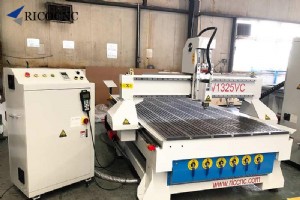
CNC Lathe vs. Milling Machine: Key Differences Explained

PLA vs PETG: Choosing the Right Filament for Strength, Quality, and Ease of Printing

Deciding Between Repair, Rebuild, or Replacement of Heavy Equipment: A Practical Guide
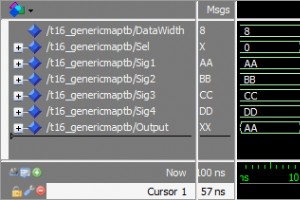
Leveraging Constants and Generic Maps in VHDL for Flexible Module Design

