Industrial manufacturing

Java’s Math class is essential for developers tackling complex calculations—from physics simulations to geographic computations. This guide covers the core methods—abs(), round(), ceil(), floor(), min(), max()—and demonstrates each with practical code examples. Key constants available in java.lang.M
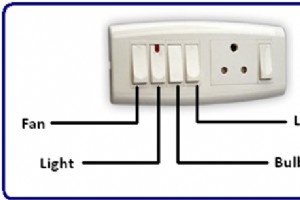
Switch statements are a staple in everyday electronics—think of a light switch turning on a lamp. In Java, a switch performs a similar role: it evaluates a single value and executes only the matching block. What Is a Switch‑Case in Java? A switch is a type of conditional that tests an expression aga

When working with collections in Java, the for‑each loop offers a concise, readable alternative to the traditional indexed for loop. By eliminating manual index management, it reduces boilerplate and potential off‑by‑one errors. Syntax for (DataType element : collection) { // Process element }
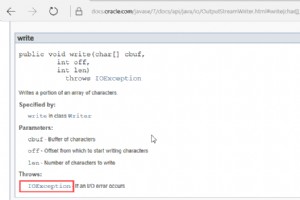
Java throws Keyword The throws keyword in Java lets you declare that a method may throw one or more exceptions. By explicitly listing these potential failures, you signal to callers that they must either handle the exception or propagate it further, keeping your code clear and reliable. When you cal
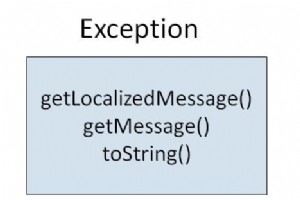
What is a Custom Exception in Java? A custom exception is a user‑defined class that extends java.lang.Exception (or RuntimeException for unchecked scenarios). By creating your own exception type you can represent domain‑specific error conditions, make error handling clearer, and provide richer conte
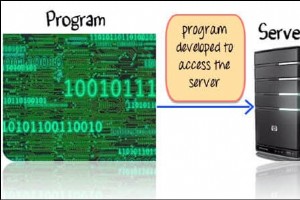
What is Exception in Java? Exception in Java is an event that interrupts the execution of program instructions, disrupting the normal flow of control. It is an object that encapsulates error information that arises within a method and is passed to the runtime system. In Java, exceptions primarily si
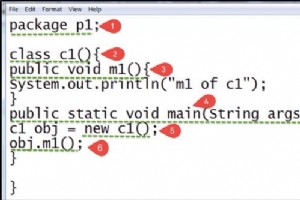
What is Package in Java? PACKAGE in Java is a collection of classes, sub-packages, and interfaces. It helps organize your classes into a folder structure and make it easy to locate and use them. More importantly, it helps improve code reusability. Each package in Java has its u

What is a Constructor in Java? A constructor is a special method that initializes a newly created object immediately after memory allocation. It sets the object’s fields to desired values or, if omitted, to their default values. Defining a constructor is optional; if none is provided, the compiler s
What Is an Interface? In Java, an interface defines a contract that classes can implement. All methods declared in an interface are abstract by default, meaning they contain no body. Interfaces cannot be instantiated directly; they merely describe behavior. Interfaces cannot hold instance variables,
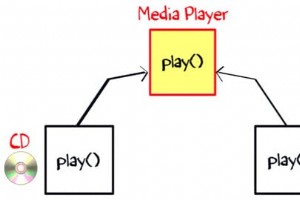
What Is a Java Interface? A Java interface is an abstract type that defines a contract for classes. It can declare constants and abstract methods but cannot hold state. All methods are implicitly public and abstract, and a class can implement multiple interfaces, providing the required behavior. De
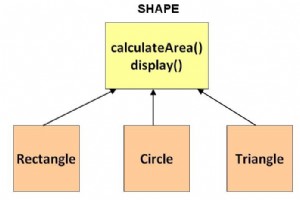
What Is Abstraction in Java? In Java, abstraction exposes only the essential features of an object, hiding the internal implementation details that are irrelevant to the user. It simplifies development by reducing complexity and effort. Abstraction is achieved through abstract classes, abstract meth
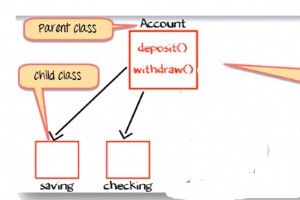
What is Polymorphism in Java? Polymorphism is a core concept in Java’s Object‑Oriented Programming (OOP). It arises when classes are linked by inheritance, allowing a single interface to represent different underlying forms. The result is that a method call can invoke different implementations depen
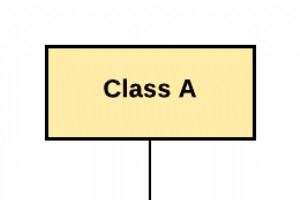
What Is Inheritance? Inheritance is a core object‑oriented concept that allows one class to acquire the fields and methods of another. Think of it as a child inheriting traits from its parents. By reusing existing code, inheritance drives reusability and simplifies maintenance. This guide covers: T
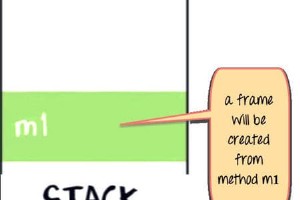
What is Stack Memory? In Java, the stack is a contiguous memory region that holds method call frames, local variables, and reference variables. Each time a method is invoked, a new frame is pushed onto the stack. Stack memory is organized in a Last‑In, First‑Out (LIFO) fashion, meaning the most rece
In Java, the static keyword appears in three distinct contexts: static variables, static methods, and static blocks. Each plays a unique role in the lifecycle of a class and its instances. Static Variables in Java A static variable is a class-level field that is initialized only once when the class
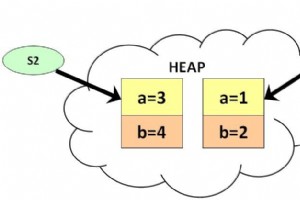
What Is Java Garbage Collection? Java’s Garbage Collector (GC) automatically manages memory, freeing developers from manual de‑allocation. When an object has no live references, the GC reclaims its heap space, preventing memory leaks that can otherwise crash applications. In Java, objects are create
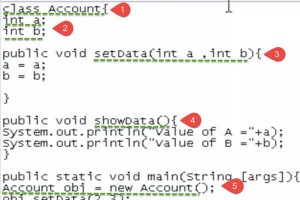
What Is the this Keyword in Java? The this keyword is a reference variable that points to the current object instance. It is most commonly used to disambiguate between instance variables and parameters or local variables that share the same name. Key uses of this in Java include: Referring to an in

What Are Command‑Line Arguments in Java? In Java, a command‑line argument is any value you provide after the program name when you launch it from a terminal or console. Those values are captured as strings in the String[] args parameter of the main method. Key Points to Remember Arguments are pa
Java HashMap: A Comprehensive Guide In Java, a HashMap stores data as key‑value pairs, enabling fast retrieval of values by unique keys. Unlike arrays, the keys can be any object (except null), and the map automatically manages hashing and collision resolution. Key Features Associates a unique key
In Java, converting a numeric string to an integer is a common task, yet it can trip up beginners if not handled correctly. Below you’ll find clear, concise examples using the two most frequently used methods: Integer.parseInt() and Integer.valueOf(). Both perform the same conversion, but they diffe
Java