Industrial manufacturing

1. toLowerCase() The toLowerCase() method transforms every character of a string into its lower‑case equivalent using the default locale’s rules. Because it is locale‑sensitive, results can differ for characters like the German ß or Turkish İ when the default locale is not appropriate. For situation
The Java String class offers three powerful replacement methods that let you modify text efficiently: replace(), replaceAll(), and replaceFirst(). Each serves a distinct purpose and is optimized for different use‑cases. replace() replaceAll() replaceFirst() Java String replace() The replace() me
Java String.endsWith() – Checking a String’s Suffix The String.endsWith() method determines whether a given string ends with a specified suffix. It returns a boolean: true if the suffix matches the string’s final characters, otherwise false. Method Signature public boolean endsWith(String suffix) Pa
Java String.contains() Method: How to Check for Substrings The String.contains() method in Java determines whether a specified sequence of characters appears within a string. It returns true if the substring exists, otherwise false. Because the result is a boolean, it is commonly used directly in if
What Is compareTo() in Java? The compareTo() method compares two strings lexicographically. Each character is converted to its Unicode value, and the method returns an int that indicates the relative ordering. If the strings are identical, it returns 0; otherwise, the result is negative if the first
What Is the Java String.charAt() Method? The String.charAt() method returns the character at a specific index within a string. In Java, string indices are zero‑based, ranging from 0 to length() - 1. Method Signature public char charAt(int index) Parameter index – a single int value specifying the po
What is indexOf() Method in Java? indexOf() Method is used to get index of the first occurrence of a criteria specified in the parameters of the IndexOf method. A common scenario can be when a system admin wants to find the index of the ‘@’ character of the email
Understanding Java’s String.length() Method The length() method is a core part of Java’s String API. It returns the number of 16‑bit Unicode code units in a string, which is effectively the string’s size in characters for most text. This method is read‑only; it does not modify the string itself. Syn
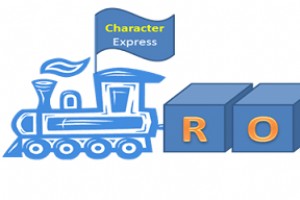
What Are Strings? In Java, a String is an immutable sequence of characters, essentially a specialized array that represents text data. For example, the word ROSE can be visualized as: In this guide you’ll learn: What Strings are and why they matter. When to use them. Common syntax patterns. Concat
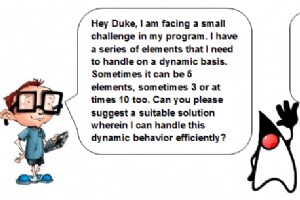
What is ArrayList in Java? ArrayList is a dynamic array that automatically expands and contracts as elements are added or removed. It’s essential when you need a flexible collection that can grow or shrink during runtime. Unlike a fixed‑size array (think of a rigid rope), an ArrayList behaves like a
What Is an Array of Objects? An array of objects in Java is a collection that holds references to instances of a class, rather than primitive values like int or String. Each element of the array stores a reference (a memory address) to an object created elsewhere. Syntax: ClassName[] arrayName = new
What is a Java Array? In Java, an array is a built‑in data structure that holds a fixed‑size sequence of elements all of the same type. Elements are indexed starting at 0. Arrays are objects that inherit from Object and implement the Serializable and Cloneable interfaces, so they can store primitive

Classes and objects form the core of Java’s object‑oriented programming. Although they are closely related, they serve distinct roles. This guide clarifies their differences and illustrates how to implement them with real‑world examples. What Is a Class in Java? A class is a blueprint that defines t
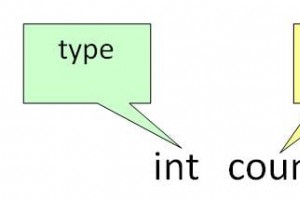
What Is a Variable in Java? A variable is a named memory location that holds data during a Java program’s execution. Every variable is assigned a data type that specifies the kind of value it can store and the amount of memory required. Java variables are grouped into three main categories: Local v

What is Encapsulation in Java? Encapsulation is one of the core pillars of object‑oriented design in Java. It bundles data (fields) and the operations that manipulate that data (methods) into a single, self‑contained unit—the class. By hiding the internal state behind a well‑defined interface, encap
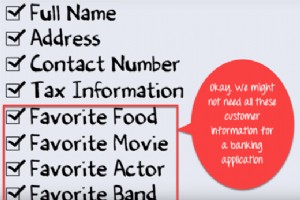
What Is Abstraction in OOP? Abstraction is a core OOP principle that presents only the essential attributes of an object while hiding irrelevant details. By exposing a concise interface, abstraction reduces complexity, eases maintenance, and enhances code clarity. It’s the foundation for creating re
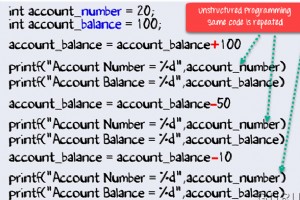
What is OOP? Object‑Oriented Programming (OOP) is a design paradigm built on four core principles: abstraction, encapsulation, inheritance, and polymorphism. It enables developers to model real‑world entities as objects and define methods that operate on them. The goal is to create reusable, modular

Java Hello World: Step‑by‑Step Guide to Writing Your First Java Program Ready to dive into Java? This tutorial walks you through every step of creating, compiling, and running your first Java program, from installing the Java Development Kit (JDK) to executing a simple Hello World application. What
Follow this concise, expert‑verified guide to install the latest Oracle JDK on Ubuntu. Whether you’re running a 32‑bit or 64‑bit system, these steps will have Java up and running in minutes. 1. Remove Existing OpenJDK Packages Ubuntu often ships with OpenJDK pre‑installed. To avoid conflicts, purge
Download & Install Eclipse IDE for Java Follow these expert steps to set up the Eclipse IDE, a powerful open‑source IDE widely used by Java developers worldwide. Prerequisites Windows 10/11 or equivalent. Internet connection. Administrator rights for installation. Step 1: Download Eclipse Open yo
Java