Industrial manufacturing
Industrial equipment
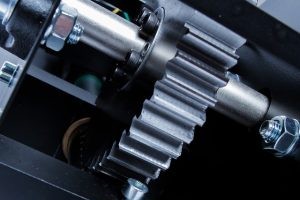
Manufacturing facilities rely on precision cutting techniques to transform raw material into finished products. One such technique is roll slitting – a controlled shearing operation that slices large rolls into narrower, more manageable widths. Overview of Roll Slitting Roll slitting employs a

Copper tubing—widely used in plumbing and HVAC—combines strength, durability, and natural corrosion resistance. With a 100% recyclable lifecycle, it’s a sustainable choice for modern infrastructure. According to the Copper Development Association, copper is 100% recyclable, underscoring its enviro
In the metalworking industry, a protective coating is essential to prevent rust and corrosion. One of the most trusted methods for safeguarding steel, aluminum, silver, tin, and cadmium components is phosphatizing. What Is Phosphatizing? Phosphatizing, also known as phosphating, is a chemical trea
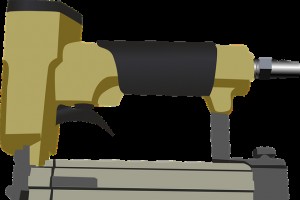
Also known as a nailer, a nail gun is a handheld power tool that’s designed to drive nails into an object or workpiece. They are typically powered by either compressed air, flammable gas or electromagnetism. Rather than relying on a traditional hammer, a worker can use a nail gun to quickly and c
In the manufacturing arena, milling and grinding are two cornerstone machining methods that both remove material from a workpiece. While they share this common goal, each technique operates differently and serves distinct purposes across a wide range of metals, alloys, and composites. What Is Mill
Screws are the backbone of fastening in construction, manufacturing, and everyday repairs. The key to a secure fit is the drive system— the pattern on the screw head that engages a tool. Choosing the right drive not only ensures a tight connection but also maximizes torque, reduces wear, and prote
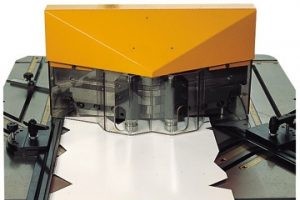
Photo: Williambeke Notching is a precision metalworking technique that reshapes sheet metal by selectively removing material along its edges. Using a punch press, the process trims unwanted portions to achieve the desired dimensions and geometry. How Notching Works Notching is a shearing operation
From nails and bolts to bridges and framing components, galvanized iron is a staple in modern construction. Though its roots trace back to the 17th century, the material has surged in popularity in recent years as a reliable, cost‑effective alternative to traditional steel and other alloys. What I
Unlike a milling machine, a lathe is a machining tool that cuts, sands, knurls, drills, and turns workpieces by rotating the part against a stationary cutting tool. The piece is securely clamped, then turned while the tool removes material. Lathes date back to ancient Egypt (c. 4000 BC), but moder
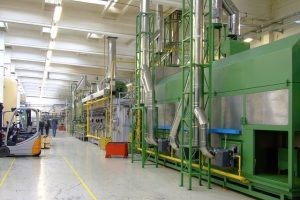
Boring is a precise machining operation that enlarges an existing hole in a workpiece. Whether performed on a lathe, milling machine, or dedicated boring apparatus, the goal is always the same: achieve a clean, accurate enlargement while preserving the integrity of the surrounding material. What I
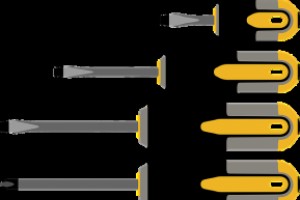
A screwdriver is a fundamental tool for installing, removing, tightening, or loosening screws. The long, wide shaft of the screwdriver engages the screw head, allowing rotation to adjust the screw’s position. While the basic design is familiar, the tool’s evolution and variety reveal fascinating i
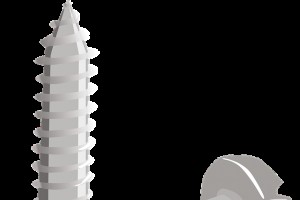
Screws are produced using two primary methods that shape their defining helical ridges: thread forming and thread rolling. Both processes create threading, but they differ in purpose, technique, and the part they affect. Below we break down each method and highlight the distinctions that matter in
Blow molding is a precision manufacturing technique that creates hollow plastic parts by inflating heated resin with air or an inert gas. As the material expands, a cavity forms; cooling locks the shape in place, yielding a lightweight yet robust component. Extrusion Blow Molding Extrusion blow mo
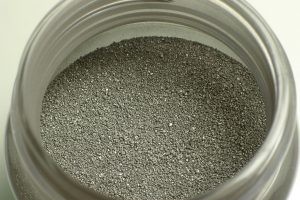
In the manufacturing sector, powder coating and traditional painting are two widely adopted surface‑finishing techniques. Both apply a protective layer to metal or other substrates, yet they differ fundamentally in materials, application methods, and performance outcomes. Understanding these disti
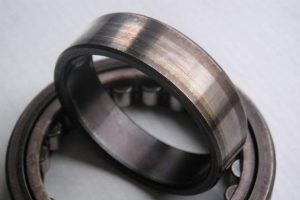
Burnishing is a precise deformation technique that refines a workpiece’s surface by rubbing it with a smooth tool. Although it’s less publicized than grinding or honing, burnishing offers unique benefits such as eliminating superficial defects and enhancing finish quality. 1. Burnishing Produce
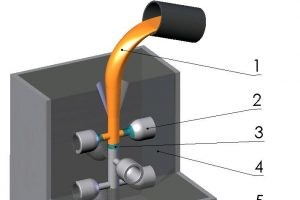
In the world of evaporative‑pattern casting, lost‑foam and full‑mold techniques are widely used for producing complex metal components. While both rely on a pattern that vaporises when molten metal is introduced, they differ in pattern material, mould construction, and typical application. What Is
Facing is a machining process that selectively removes material from the end or shoulder of a workpiece to achieve exact dimensions and a smooth finish. Depending on the machine used, facing can be performed on a lathe or a milling machine. Lathe Facing Lathe facing, also called turning, uses a la

Featuring the atomic number 13, aluminum is a silver‑colored metal that’s used extensively across the manufacturing sector. Its unique combination of light weight, high strength, and natural corrosion resistance makes it indispensable in everything from automotive parts to kitchen utensils. Yet,
Investment casting—often referred to as lost‑wax casting—is a highly respected metal fabrication technique that has seen growing use across industries such as automotive, aerospace, sports equipment, and medical devices. While the process offers distinct advantages, it also presents specific chall
Manufacturing companies rely on both joining and forming processes to transform raw materials into finished products. While both aim to create usable components, they are fundamentally distinct techniques. What Is a Joining Process? Joining processes fuse two or more components to create a new, un
Industrial equipment