Industrial manufacturing
Industrial equipment

Induction welding, a high‑frequency process that harnesses electromagnetic induction to generate localized heat, is becoming the go‑to method for manufacturers seeking speed, precision, and consistency. By channeling radio‑frequency energy through an induction coil, the system heats the workpiece
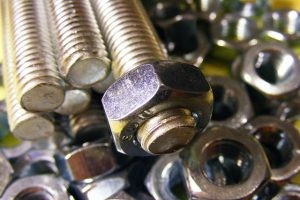
Fasteners come in many shapes, but the screw remains the most recognizable. With its helical thread, a screw can bite into a material and secure two or more components together. While all screws share that basic principle, machine screws have distinctive characteristics that set them apart from ot
Die cutting is a proven fabrication method that shapes sheet metal, plastic, or wood by pressing the material against a precisely engineered die. The process, often performed with hydraulic or electric power, yields clean edges and tight tolerances while generating minimal waste. Historical Roots
Many professionals conflate manufacturing and production, using the terms interchangeably. While both involve turning inputs into finished goods, they are distinct processes with different scopes and focus. What Is Manufacturing? Manufacturing is a structured, multi‑step procedure that transforms
Laser engraving has become a go-to method for adding personalized details to a wide array of products—from jewelry and keychains to cutting boards and apparel. Unlike traditional methods that rely on ink or paint, laser engraving uses focused laser energy to heat the surface, creating precise and
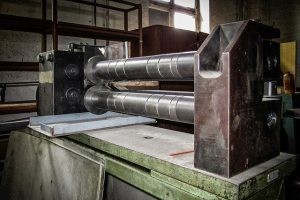
A machine press—often called a forming press—is a robust industrial device that applies controlled pressure to reshape or resize a workpiece. Operated by a skilled toolsetter, the press can perform a wide array of machining tasks, from simple cuts to complex bends. While all machine presses share
For manufacturers, the lathe is a cornerstone of precision machining. By rotating a workpiece against a fixed cutting tool, it can produce smooth surfaces, precise diameters, and intricate shapes. Tracing back to ancient Egypt, the lathe remains one of the most enduring tools in the workshop. How
When installing or upgrading electrical systems, choosing the right conductor material is essential for safety, reliability, and cost. Copper and aluminum are the two most widely used metals in residential and commercial wiring, each offering distinct advantages and trade‑offs. Below, we break dow
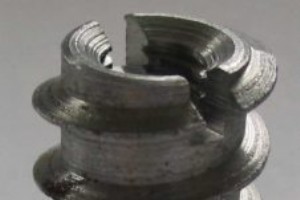
Photo: Alexander Patrik While hexagonal nuts dominate everyday hardware, many applications require a different shape. Insert nuts are cylindrical fasteners with threading on both the inside and outside, allowing them to be screwed or hammered into a material and then secured with a bolt. Though the
Encountering a rusted screw or bolt can halt any project. Most fasteners are made from iron alloys—especially steel—making them prone to oxidation. As rust sets in, it bonds the screw or bolt to the threaded hole, turning removal into a frustrating ordeal. Below are reliable, step‑by‑step methods
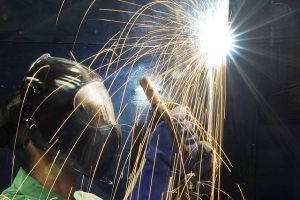
Spot welding, formally known as resistance spot welding, is a rapid, energy‑efficient technique used to join thin sheets of metal. By directing a high‑current pulse through copper‑alloy electrodes, the contact zone heats to molten temperatures, creating a solid‑state weld that fuses the sheets tog
In precision manufacturing, turning and boring are the cornerstone machining techniques that shape both metal and wood components. While they share the same fundamental principle—using a stationary cutting tool to remove material—they target different parts of a workpiece and are executed on dist
Fusion welding—joining materials by melting—has evolved into several specialized techniques. Below are the five most widely adopted methods, each with unique heat sources, operational environments, and industry applications. #1) Arc Welding Arc welding uses an electric arc that can reach temperatu
From iron and aluminum to copper and titanium, metals underpin modern life. Whether in buildings, vehicles, or electronics, these materials are integral to countless products. In this guide, we break down six key metallurgy terms that every professional should understand. #1 Ferrous In metallur
Traditional drilling relies on cutting tools that rotate and physically shear material out of a workpiece. Friction drilling, by contrast, leverages heat generated from friction to soften and remove material, resulting in a cleaner, faster process. What Is Friction Drilling? Friction drilling,
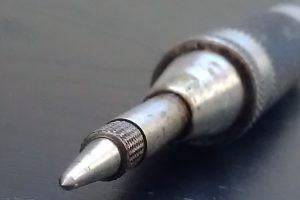
Photo: Txikillana Punch tools are a fundamental component of many woodworking tasks. Unlike the larger punch presses used in metalworking, a punch tool is a small, precision metal rod employed to cut, shape, or prepare wood for further work. They are often paired with hammers, mallets, or chisels t
When choosing a cutting technology for metal fabrication, it’s crucial to understand how plasma and laser cutting differ in principle, performance, and safety. Both techniques offer high precision, but each has its own strengths and ideal use cases. Laser Cutting: The Power of Focused Light Laser

Photo: Emok Honing is a critical machining technique that refines the surface of metal and alloy components. From automotive pistons and aircraft turbine blades to high‑performance knives and precision gears, a consistent, smooth finish is essential for performance, durability, and manufacturing ef

Chromium plating—commonly called chrome plating—is a precision electroplating technique that deposits a thin layer of chromium onto a metal surface. From automotive wheels to surgical instruments, this finish offers both corrosion resistance and a high‑gloss appearance. The Fundamentals of Chrome

Photo Stephan Courtois Rotational molding, also known as rotocasting, is a versatile manufacturing process that produces high‑quality hollow plastic parts in a wide range of shapes and sizes. While injection molding excels at creating solid components, it falls short when uniform wall thickness an
Industrial equipment