Industrial manufacturing
Sensor
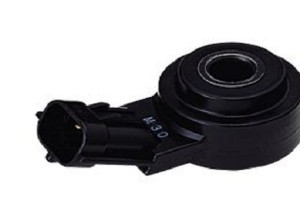
Knock sensors are essential components that protect automotive engines from pre‑ignition damage. Mounted on the engine block or cylinder head, they detect high‑frequency vibrations caused by detonation or knocking and convert them into electrical signals for the engine control unit (ECU). This real‑
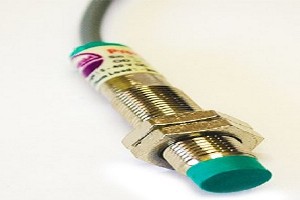
Proximity, position, and displacement measurements are essential in a wide range of industries—from valve control and level detection to safety systems, machine operation, and process automation. Modern magnetic sensors deliver the reliability and cost‑efficiency demanded by these applications. Rece
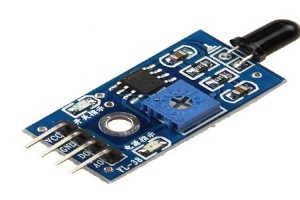
A flame sensor is a highly sensitive detector that monitors for the characteristic light emitted by combustion. Operating within the 760 nm to 1100 nm wavelength range, it can identify flames from a distance of up to 100 cm and with a detection angle of 600 °, making it ideal for safety‑critical app
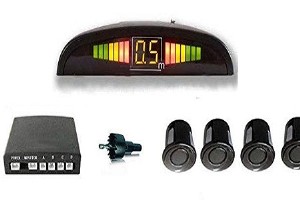
Parking is a core skill for every driver, yet it can become a challenge—especially for newcomers or when space is limited. Traditional methods rely on mirrors and judgment, which can result in minor bumps or even larger collisions. Modern vehicles counteract these risks with parking sensors that del
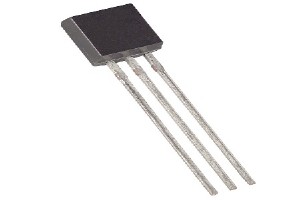
The DS18B20 is a highly reliable digital temperature sensor that operates over a single‑wire interface, enabling accurate readings from –55 °C to +125 °C (–67 °F to +257 °F) with ±0.5 °C precision. Its 9‑ to 12‑bit resolution and 750 ms conversion time make it ideal for both low‑power applications a
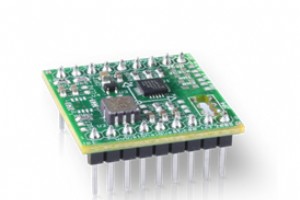
MEMS stands for micro‑electro‑mechanical systems, a family of miniature devices that integrate mechanical and electronic components on a single silicon chip. These sensors, ranging from 1 µm to 100 µm in structural dimensions, are fabricated using advanced micromachining techniques such as oxidation
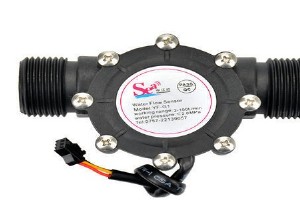
Sensors are indispensable in modern automation, offering low cost, high reliability, and seamless integration with complex electronic systems. Over the decades, sensor technology has evolved from bulky centimeter‑sized units to nanometer‑scale devices, enabling precise monitoring of environmental pa
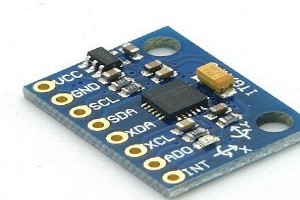
What Is a Gyroscope Sensor? A gyroscope sensor is an electromechanical device that measures an object’s angular velocity and orientation. Unlike accelerometers, which capture linear acceleration, gyroscopes detect rotational motion—essential for systems that must track tilt, heading, and angular cha
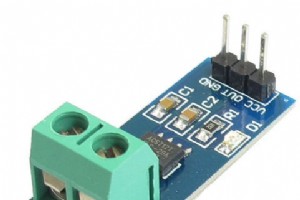
What Is the ACS712 Current Sensor? The ACS712 is a fully integrated, Hall‑effect based linear current sensor IC that provides isolated, accurate measurement of both AC and DC current. It features a 2.1 kV RMS isolation voltage and requires a simple 5 V supply, making it ideal for use in safety‑criti
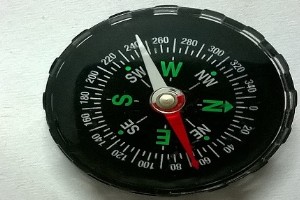
For centuries, the compass has guided explorers, merchants, and innovators. Its enduring legacy—from the 2nd‑century Chinese divination tools to today’s smartphone displays—showcases the power of magnetism in navigation. What Is a Compass Sensor? The first magnetic compasses appeared in the 2nd cent
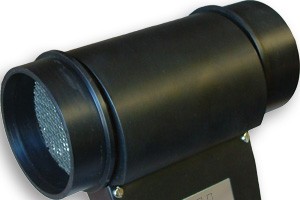
Today’s vehicles integrate a sophisticated network of sensors that continuously monitor engine performance, vehicle dynamics, and safety systems. These components diagnose potential problems—such as needed maintenance or service alerts—allowing drivers and technicians to keep the car operating safel
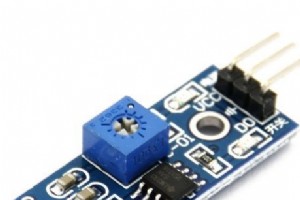
Light is a form of electromagnetic radiation, with the visible spectrum ranging from 400 to 700 nm. Photons carry energy that, when absorbed by semiconductor materials, can excite electrons into the conduction band, enabling a variety of photonic devices such as photodiodes, solar cells, and photore
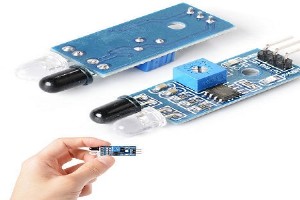
Arduino’s open‑source ethos has made it a global favorite among hobbyists, educators, and innovators. By pairing inexpensive microcontrollers with a user‑friendly IDE, it simplifies code deployment and hardware interfacing, enabling rapid prototyping of electronic systems. What is an Arduino Sensor
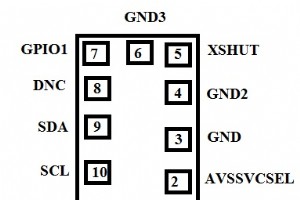
In modern automation, sensors drive innovation across industries—from robotics to mobile phones. Among them, the VL53L0X laser‑based distance sensor stands out for its compact size, high accuracy, and ease of integration with microcontrollers. What is the VL53L0X? The VL53L0X is a LIDAR module that
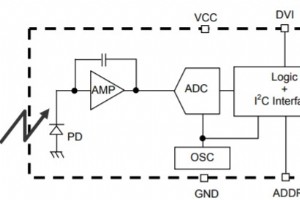
Light is essential for vision and, as an electromagnetic wave, delivers energy in discrete packets called photons. When photons strike a light‑sensing element, the energy is transferred to the sensor’s material, creating an electrical signal that reflects the intensity of the incident light. The BH1

The Internet of Things (IoT) is reshaping our world, with an estimated 1.2 billion connected devices by 2023, according to Statista. At the heart of every IoT deployment lie sensors—tiny yet powerful devices that transform ambient data into actionable insights. Whether monitoring air quality in a sm
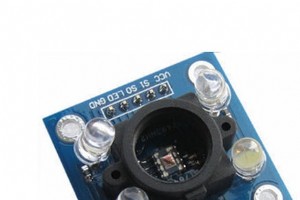
White light is a mix of the three primary colors—red, green, and blue—each with distinct wavelengths. When light strikes a surface, certain wavelengths are absorbed while others are reflected, and the reflected light determines the surface’s perceived color. What is a Color Sensor? A color sensor i
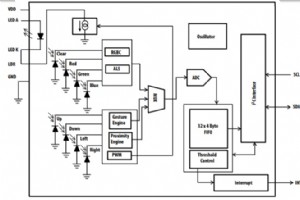
Automation is reshaping everyday devices—from smartphones to robotics—by making tasks more intuitive, efficient and reliable. Key to this transformation are sensors that can sense a variety of environmental cues. Traditional designs often require separate chips for touch, proximity, gyroscope or ges
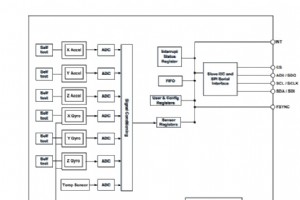
Motion tracking—capturing the movement of objects or people—underpins critical systems in defense, healthcare, sports, gaming, and more. Integrating gyroscopes and accelerometers into the ultra‑compact devices of today is challenging, but the InvenSense ICM‑20608‑G offers a compelling solution. Th
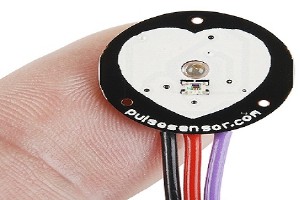
Monitoring heart rate is essential for athletes, researchers, and hobbyists, yet calculating it manually can be error‑prone. The Pulse Sensor—a plug‑and‑play optical sensor—provides a quick, reliable way to capture heartbeat data. Designed primarily for Arduino, it’s ideal for students, developers,
Sensor