


Industrial manufacturing
Sensor
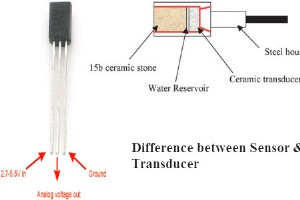
In electronics, the terms “sensor” and “transducer” are frequently used together, yet they describe distinct functions. Knowing the difference is key for engineers and hobbyists alike. What Is a Sensor? A sensor is a device that detects a physical quantity—temperature, pressure, light, motion, etc.
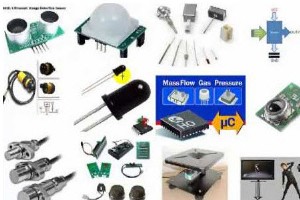
Sensors detect changes in physical parameters or events and translate them into electrical or optical signals. They are generally classified as analog or digital devices. Different Types of Sensors Common sensor categories include temperature, pressure, gas, fire, pyroelectric, piezoelectric, IR,
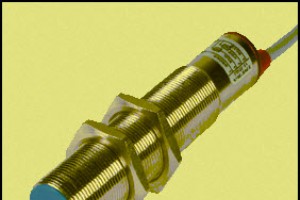
Proximity sensors are essential components in modern automation, enabling non‑contact detection of objects. Among them, inductive proximity sensors excel at identifying metallic targets with high reliability and a long service life, thanks to their solid‑state construction. What Is a Proximity Senso
From smartphones to refrigerators, sensors are embedded in virtually every modern device, turning everyday objects into intelligent systems. The integration of multi‑sensor technology in mobile phones, for example, showcases how diverse sensors—accelerometers, gyroscopes, barometers, and more—work t
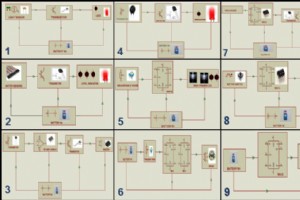
In everyday life, we rely on a range of electronic devices—door‑bell systems, TV remotes, automated lighting, fire alarms, and more—each built upon foundational electronics projects. This article explores a straightforward fire alarm circuit that leverages a thermistor for temperature detection. Fi
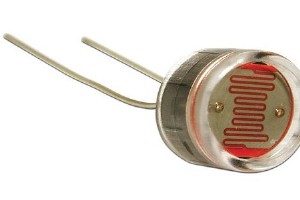
An LDR, or light‑dependent resistor, is a low‑cost, photosensitive component commonly found in light meters, flame detectors, and automatic lighting systems. Its resistance drops dramatically when illuminated, making it ideal for a wide range of sensor applications. Engineering‑Grade LDR Projects Ha

Automatic doors are common in commercial buildings, malls, and theatres. They open when a person approaches and close when they leave. Several sensor types—radar, PIR, infrared, laser—can trigger the mechanism. This article focuses on a PIR (passive infrared) sensor that detects the heat signature o
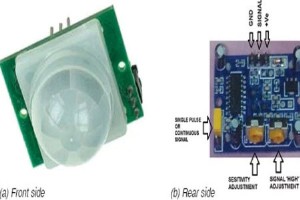
An infrared (IR) sensor is a compact electronic device that detects thermal radiation and motion. Unlike active IR units that emit light, passive IR (PIR) sensors sense only the infrared energy reflected from objects, making them ideal for motion‑detected lighting and appliance control. Infrared sen

The MQ series gas sensors employ a miniature heater and a tin‑oxide sensing element to detect a wide range of gases at ambient temperature. The MQ‑135, specifically, is a low‑conductivity sensor that registers increased conductivity when exposed to alcohol vapour and other harmful gases. Through a s
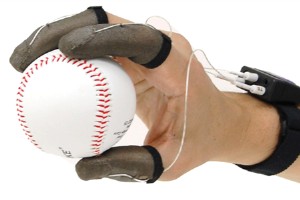
The WSG‑DSA gripper finger incorporates a high‑resolution tactile transducer, the DSA9205i, directly onto the base jaws of the WSG. Its seamless integration with the gripper controller eliminates the need for external cables, allowing real‑time pressure profile feedback during grasping. This article
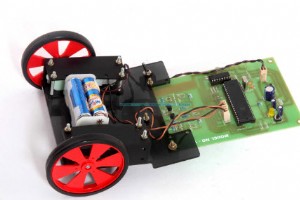
A robotic vehicle combines electromechanical design with intelligent control, enabling autonomous or semi‑autonomous operation. This guide focuses on a wireless system powered by infrared (IR) sensors and radio‑frequency (RF) communication. What Is a Wireless Robotic Vehicle? Wireless robotic vehicl
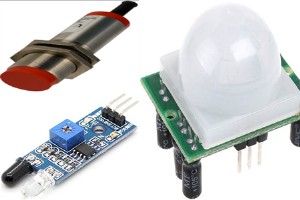
In modern electronics, sensors are the backbone of intelligent systems. They enable devices to sense motion, measure distance, and detect nearby objects without contact. This guide focuses on three common sensor types—motion (infrared) sensors, position sensors, and proximity sensors—highlighting th
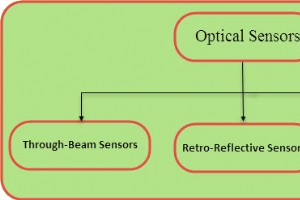
Optical sensors convert light into an electronic signal, enabling precise, contact‑less measurement of a wide range of physical properties. They play a pivotal role in modern automation, safety systems, and consumer electronics. What Can Optical Sensors Measure? Depending on the design, optical sens
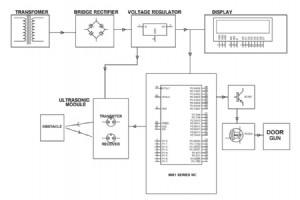
Ultrasonic sensors are indispensable for precise, contact‑less distance measurement, finding applications in robotics, parking assistance, and security systems. This article details a complete ultrasonic object‑detection circuit that runs on an 8051 microcontroller, covering hardware, software, and
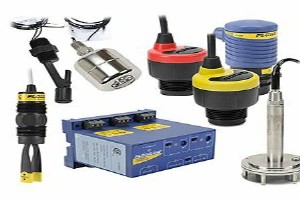
For decades, liquid‑level sensors have been a staple in industries ranging from food & beverage to pharmaceuticals, automotive, and smart homes. Modern innovations have turned once expensive, bulky equipment into compact, highly accurate, and effortlessly installable devices. Today, even notoriously
Biochips are micro‑sized analytical devices that combine biology, chemistry, and electronics to perform high‑throughput biomolecular assays. First pioneered by Affymetrix with the GeneChip DNA microarray in the mid‑1990s, they have become indispensable in genomics, proteomics, diagnostics, and drug
A thermocouple is a temperature sensor that consists of two dissimilar metal wires joined at one end to form a junction. When the junction experiences a temperature change, a small voltage is generated, which can be converted to a temperature reading using reference tables. Thermocouples are prized
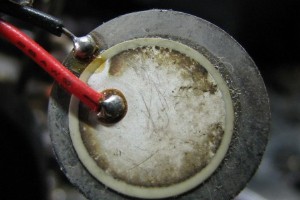
In everyday engineering and research, accurate measurement of physical parameters—such as mechanical stress, temperature, or pressure—is essential. A transducer is a device that transforms these physical inputs into proportional electrical outputs, typically voltage or current, enabling precise cali
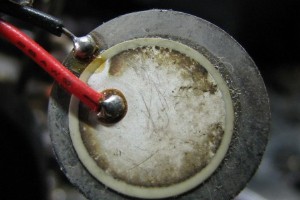
Sensors convert physical changes—such as light, heat, motion, moisture, pressure, or vibration—into electrical signals that can be calibrated, transmitted, or processed further. While mercury thermometers and car oxygen sensors are classic examples, this article focuses on the versatile piezoelectri
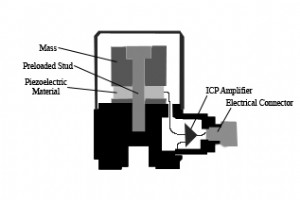
Modern devices rely on sensors to monitor and control physical variables. Among these, accelerometers measure an object’s acceleration and velocity, enabling features from smartphone orientation to aircraft navigation. What Is an Accelerometer? Acceleration is the rate of change of velocity over tim
Sensor
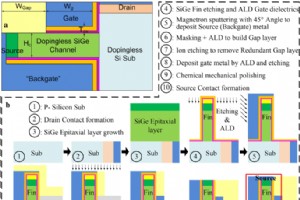
High-Performance Dopingless SiGe Fin‑Shaped TFET: Enhanced On‑Current and 12‑Order Switching Ratio
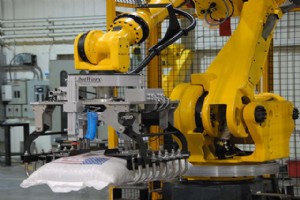
Robotic vs Conventional Palletizing: Choosing the Right Solution
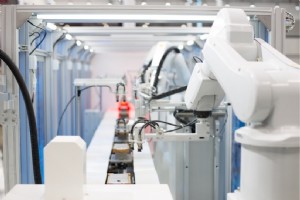
How Digital Twins Revolutionize Manufacturing: Benefits, Applications, and ROI
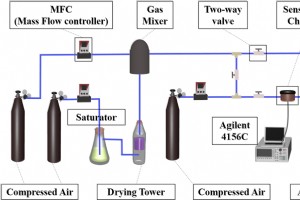
Ultra‑Sensitive, Rapid‑Response Ammonia Gas Sensor Based on Reduced Holey Graphene Oxide Thin Films

