Industrial manufacturing
Nanomaterials

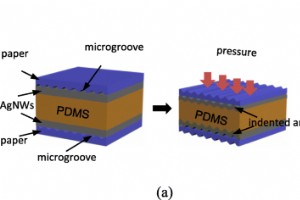
AbstractFlexible pressure sensors (FPS) are pivotal in robotics, wearables, electronic skins, and biomedical diagnostics. Traditional high‑performance FPS often rely on complex micromachining or micromolding steps. Here, we introduce a simple, scalable capacitive FPS that employs silver‑nanowire (Ag
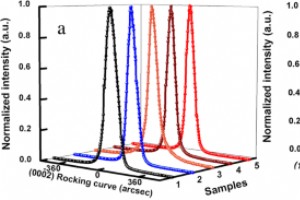
AbstractThe refractive index of aluminum nitride (AlN) critically influences the performance of AlGaN‑based deep‑ultraviolet (DUV) optoelectronic devices, including the external quantum efficiency (EQE) of LEDs. High‑density threading dislocations (TDDs) are a common defect in AlN, yet their quantit
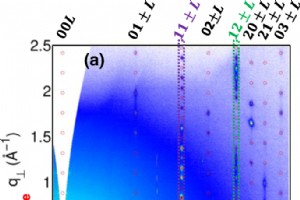
AbstractA combination of in situ electrical and grazing-incidence X-ray diffraction (GIXD) is a powerful tool for studies of correlations between the microstructure and charge transport in thin organic films. The information provided by such experimental approach can help optimizing the performance
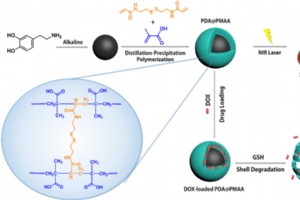
Abstract85 % cell kill at a total drug dose of 5 µg mL−1. This platform demonstrates precise, triggered drug release and enhanced chemo‑photothermal efficacy. Introduction55 °C) are required for tumour necrosis while sparing normal tissue. Polydopamine (PDA) is a mussel‑inspired polymer that absorb
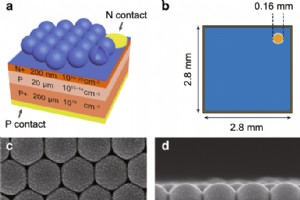
AbstractEffective light manipulation is pivotal for photodetectors that require broadband or spectra‑selective responsivity gains. In this study, we demonstrate that optimally fabricated zinc‑oxide (ZnO) microcavity arrays (MCAs) deposited on silicon PIN devices markedly boost photo‑responsivity. Bo

AbstractModern medicine continually seeks therapies that combine high efficacy with cost‑effectiveness, driving research toward novel delivery platforms that target diseased tissues while sparing healthy cells. Metallic nanoparticles—particularly superparamagnetic core‑shell constructs—offer a uniq
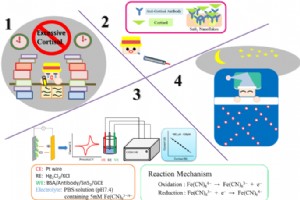
AbstractCortisol, the quintessential stress hormone, is secreted by the hypothalamic‑pituitary‑adrenal (HPA) axis and serves as a critical biomarker for psychological and physiological stress. Prolonged cortisol over‑expression can lead to serious disorders such as Cushing’s and Addison’s disease, u
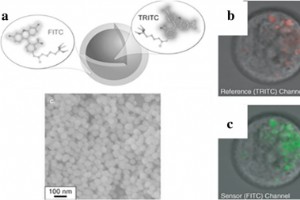
AbstractLuminescent materials are of worldwide interest because of their unique optical properties. Silica, which is transparent to light, is an ideal matrix for luminescent materials. Luminescent silica nanoparticles (LSNs) have broad applications because of their enhanced chemical and thermal stab
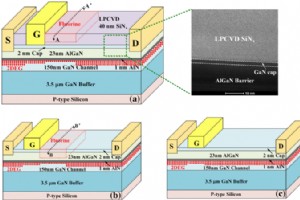
Abstract We introduce an AlGaN/GaN high‑electron‑mobility transistor (HEMT) that achieves a 803 V breakdown voltage (BV) and a modest 23 % increase in dynamic ON‑resistance (RON, D) compared to a conventional device. The key innovation is fluorine ion implantation within the thick Si3N4 passivation
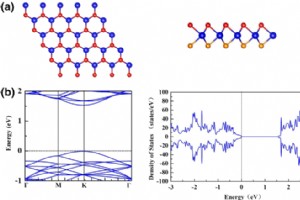
AbstractUsing first‑principles density functional theory (DFT), we investigated how various vacancy defects and biaxial tensile strain alter the structural, electronic, and magnetic properties of monolayer tungsten diselenide (WSe2). The removal of two tungsten atoms (VW2) or one tungsten atom toget
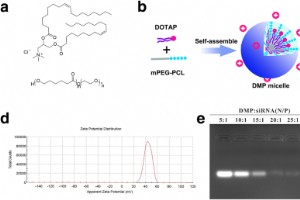
Abstract 85 %) in C26 colon cancer cells, minimal cytotoxicity (IC50 = 3.7 µg/mL in 293T cells), and robust gene silencing. In a subcutaneous C26 xenograft model, intratumoral injections of DMP/siBcl‑xl and DMP/siMcl‑1 reduced tumor volumes by 65 % and 55 %, respectively, with no observable organ to
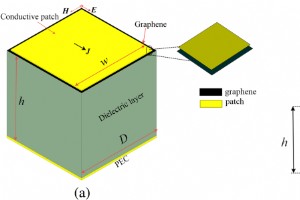
Abstract Accurate control of surface impedance in graphene‑based hybrid metasurfaces is essential for next‑generation terahertz (THz) optoelectronics. In this work, we derive closed‑form analytical expressions for the impedance of square‑patch metasurfaces and combine them with the intrinsic graphen

AbstractRapid, culture‑free detection of bacteria is essential for timely outbreak control. Positively charged magnetic nanoparticles (NP+) exploit the natural negative surface charge of bacterial cells, enabling efficient capture of Escherichia coli at concentrations as low as 10 and 100 CFU/mL wi
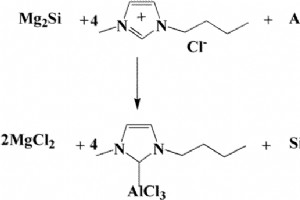
AbstractSilicon offers an extraordinary theoretical capacity of 4200 mAh g⁻¹, making it a prime candidate for next‑generation anodes in lithium‑ion batteries (LIBs). Here we present a facile, high‑yield, and scalable ionothermal route that converts commercial magnesium silicide (Mg2Si) into nanoporo
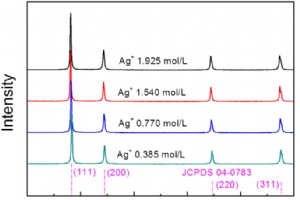
AbstractPrinted electronics on paper demand conductive inks that combine exceptional conductivity with a low sintering temperature to prevent substrate deformation. In this study, silver nanoparticles (Ag NPs) with mean diameters ranging from 48 to 176 nm were synthesized by titrating the Ag⁺ precur
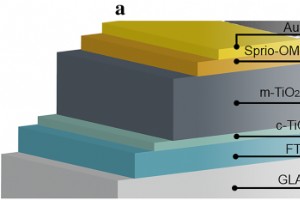
AbstractCuInS₂ quantum dots (QDs) were integrated into a mesoporous TiO₂ film through a spin‑coating‑assisted successive ionic layer adsorption and reaction (SILAR) protocol to fabricate solid‑state QD‑sensitized photoanodes. The photovoltaic output of the resulting QD‑sensitized solar cells (QDSSCs
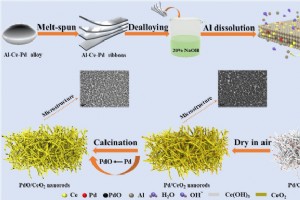
AbstractWe report a facile, green synthesis of rod‑like nanoporous PdO/CeO₂ composites via dealloying Al–Ce–Pd alloy ribbons followed by calcination. The resulting catalysts display outstanding activity for CO oxidation (T99 = 80 °C) and CH₄ combustion (T9995 % activity after 100 h of continuous ope
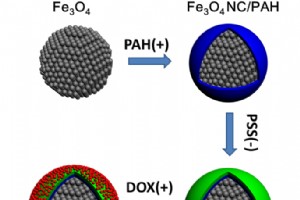
AbstractMultifunctional nanostructures that merge anticancer drugs with inorganic nanocrystals are emerging as powerful platforms for tumour diagnosis and therapy. In this study, we fabricated magnetite (Fe3O4) nanoclusters (NCs) by combining an oil‑in‑water microemulsion and a layer‑by‑layer (LBL)
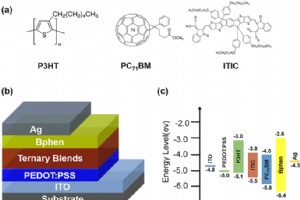
AbstractWe demonstrate the broadband visible organic photodetectors (OPDs) by introducing a non-fullerene acceptor of 3,9-bis(2-methylene-(3-(1,1dicyanomethylene)-indanone))-5,5,11,11-tetrakis(4-hexylphenyl)-dithieno[2,3d:2,3′-d′]-s-indaceno[1,2-b:5,6-b′]dithiophene (ITIC) into the bulk heterojuncti
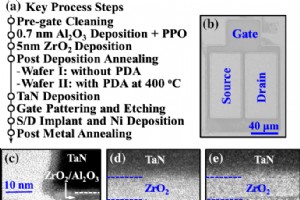
AbstractThis study examines how post‑metal annealing (PMA) and post‑deposition annealing (PDA) influence the electrical performance of Germanium p‑type MOSFETs (pMOSFETs) that employ a ZrO₂ gate dielectric. Devices that skip PDA exhibit progressive improvements in on‑state current (I_ON), subthresho
Nanomaterials