Industrial manufacturing
Embedded

As PCB manufacturers embrace cutting‑edge technologies, production costs can rise—yet strategic alliances with specialized service providers help offset these expenses and keep firms ahead of the curve. This article delves into the most influential PCB trends and the challenges they present. The use
Emerging substrates promise superior heat management compared to today’s leading materials in high‑power density devices. Thermal management has rapidly become one of the most critical challenges for electrical engineers. As the power density of electronics climbs, so does the heat they generate. Ma
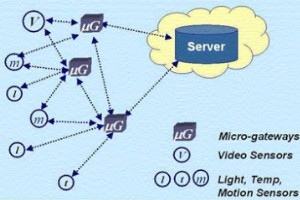
Networks in Embedded Systems: Types, Roles, and Why They Matter\nAs embedded systems grow in complexity, mastering networking fundamentals—data processing, electronics, telecommunications, and more—is essential. Modern embedded devices rely on robust networks to interconnect routers, gateways, remot
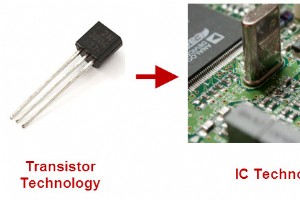
Every electronic device we use daily is built around sophisticated electrical and electronic circuits. These circuits have evolved through several generations of technology—from vacuum tubes to transistors, integrated circuits (ICs), microprocessors, and microcontrollers. In this article we compare
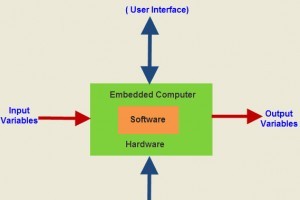
Embedded systems are specialized computing units that combine dedicated hardware with software to perform specific tasks. They are everywhere—from smartphones and wearables to industrial controls and automotive electronics—providing reliable, cost‑effective solutions that are often smaller and light
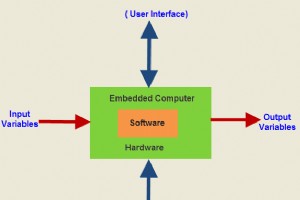
An embedded system is a specialized computing platform engineered to perform dedicated tasks—such as data acquisition, processing, storage, and control—within strict timing and power constraints. By integrating firmware tightly with hardware, these systems deliver predictable, reliable output in rea
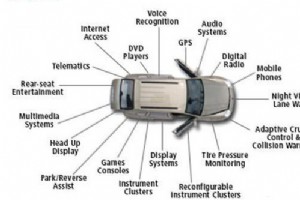
Embedded systems have become the backbone of today’s automotive landscape, propelling vehicles from simple mechanical machines to sophisticated, connected ecosystems. They underpin critical functions such as safety, performance, and infotainment, enabling cars to be safer, more efficient, and increa
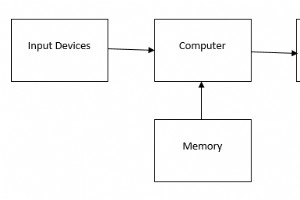
The first true embedded system appeared with Charles Stark Draper’s Apollo Guidance Computer, developed at MIT’s Instrumentation Laboratory in 1965. In 1987 Wind River Systems released VxWorks, the first real‑time embedded OS, followed by Linus Torvalds’ Linux kernel in 1991. Today, embedded OSs s
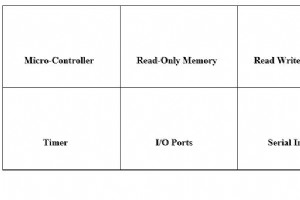
An embedded system integrates dedicated hardware and software to perform a specific function. It typically centers around a microcontroller or microprocessor, chosen for their architecture, power envelope, and area constraints. Microprocessors, based on the von Neumann model, host separate program a
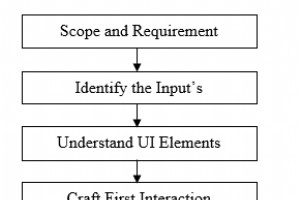
The first chatbot, ELIZA, was created in 1960 by MIT professor Joseph Weizenbaum (born 1923, died 2008). ELIZA introduced the idea that a computer could simulate conversation, laying the groundwork for modern conversational AI. Since then, chatbots have evolved into sophisticated tools used across i
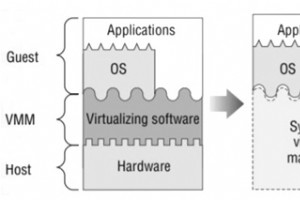
The concept of a virtual machine emerged in the early 1960s as an evolution of time‑sharing technology. While time‑sharing allowed multiple users to share a single computer by rapidly switching between programs, virtual machines take this idea further by creating isolated, self‑contained environment

Superconductors are materials that conduct electric current without resistance when cooled below a characteristic critical temperature. Unlike ordinary metals, which exhibit some resistance at room temperature, superconductors offer zero electrical resistance and exhibit unique magnetic behaviors.
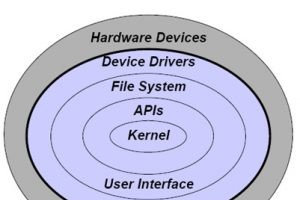
An operating system (OS) is a crucial software layer that mediates between the user and the computer hardware, managing memory, files, I/O, security, and peripheral devices. Popular OS families include Windows, Linux, AIX, VMS, and z/OS.What is an Operating System (OS)?Definition: An OS is a sophist
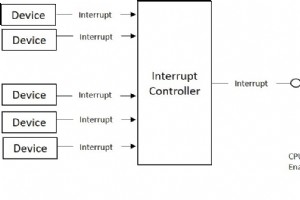
Modern PCs rely on interrupt requests to coordinate hardware functions. The concept dates back to the UNIVAC 1103 in 1953, with the IBM 650 introducing interrupt masking in 1954. Assigning distinct IRQ lines to individual devices is essential for efficient operation. When peripherals such as keyboar
Every developer eventually encounters bugs—unexpected behaviors that can derail an application or operating system. Debugging is the disciplined practice of locating, diagnosing, and eliminating these errors. It is a core part of the software development lifecycle and a key indicator of quality and
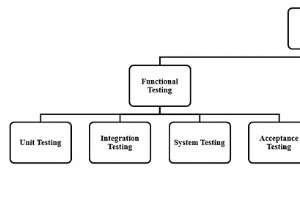
Software testing techniques are systematic methods used by quality assurance professionals to assess whether a system or component meets its specified requirements. By rigorously applying these best‑practice techniques, teams uncover gaps, defects, and unmet requirements early, safeguarding product
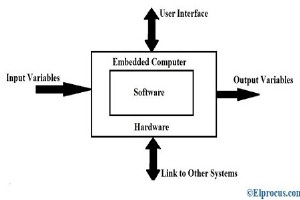
Embedded systems combine specialized hardware and firmware to perform a single, well‑defined task—think of a washing machine or a car’s engine control unit. By integrating the two, these systems offer compact size, lower cost, and higher reliability compared to general‑purpose computing platforms. K
In today’s digital world, coding—or programming—is the backbone of everything from smartphones to smart homes. Every feature you enjoy, every app you use, and every device you own relies on code written by developers, programmers, and engineers. This article offers a clear, expert overview of what c
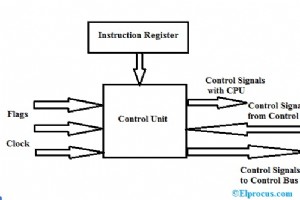
The control unit is the main component of a central processing unit (CPU) in computers that can direct the operations during the execution of a program by the processor/computer. The main function of the control unit is to fetch and execute instructions from the memory of a compute
In electronics, accurately analyzing circuits—especially complex ones with multiple voltage and current sources—requires more than just Kirchhoff’s laws. Mesh (loop) analysis and its extension, supermesh analysis, provide a systematic way to determine currents and voltages using the fewest equations
Embedded