Industrial manufacturing
Nanomaterials


Focusing light at the nanoscale Conventional optics limit the smallest focus to roughly half the wavelength of light. Recent advances in nanoplasmonics have shattered this barrier by coupling light to surface plasmon resonances in engineered metallic nanostructures, allowing sub‑wavelength confineme
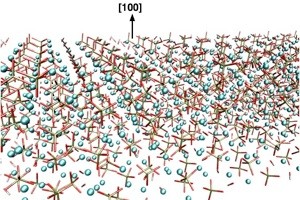
Hydroxyapatite (Ca10(PO4)6(OH)2) closely mimics the mineral component of bone and teeth, making it a gold‑standard in biomedical engineering for its high bioactivity and biocompatibility. Its chemical similarity to natural bone allows synthetic HA to bond strongly with host tissue, reducing implant
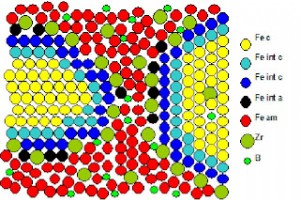
Nanocrystals for FerroelectricityFerroelectricityFerroelectricity was first observed in 1921 with Rochelle salt. Barium titanate (BaTiO3) is the prototypical ferroelectric used in modern devices. In fact, more than 250 compounds—such as lead titanate, lead zirconate titanate, and lead lanthanum zi

NanodiamondsNanodiamonds are diamond‑structured particles smaller than 10 nm, formed as a residue when TNT or Hexogen detonates in a confined environment. Their exceptional mechanical strength, optical clarity, high surface area, and tunable surface chemistry make them ideal for a broad spectrum o

Graphene’s Unique Electronic Landscape Pure graphene is a zero‑band‑gap semiconductor; its valence and conduction bands meet, which is ideal for continuous electronic conduction but problematic when an on/off switch is required. By narrowing graphene into ribbons only a few nanometers wide, a band
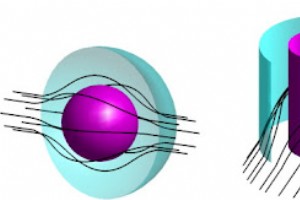
Invisibility Cloaks Invisibility cloaks conceal objects from electromagnetic waves by guiding light around them. They rely on metamaterials—engineered composites with negative refractive indices—that redirect incoming light so the waves rejoin on the far side as if the cloak were absent. Electro
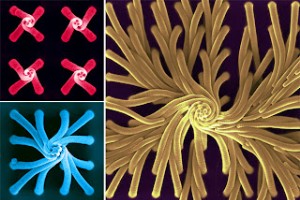
Precision Drug Delivery Once administered, drugs must navigate renal filtration, circulate in the bloodstream, and reach target cells. At the cellular level, therapeutic agents must breach the plasma membrane, survive intracellular degradation, and evade drug‑resistance mechanisms that malignant c

Memory Devices Modern computers and a wide range of electronic gadgets depend on the reliable storage of digital data, which directs circuit behavior. Next‑generation memory technologies—such as carbon nanotube memory, molecular electronics, and TiO₂‑based memristors—promise significant performance

Chemosensors Chemosensors translate chemical stimuli into measurable electrical signals. They are increasingly employed in biology, medical diagnostics, and environmental monitoring. Gold Nanoparticles Gold nanoparticles (AuNPs) are prized for their high surface‑area‑to‑volume ratio and surface‑d

Optical Coatings Most scientific and industrial optical components rely on thin‑film coatings to suppress ghost images, eliminate back‑reflections, and protect expensive equipment. Conventional dielectric coatings—layered assemblies of transparent materials each at least a quarter wavelength thick
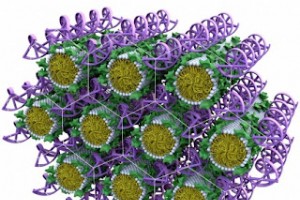
Folding the DNA DNA nanotechnology, often likened to paper folding, emerged three decades ago. In 2006, Paul Rothemund at Caltech demonstrated that long single‑stranded DNA can be coaxed into a variety of predetermined shapes by a library of short staple strands (Rothemund 2006). These nanostruct
Carbon Nanotubes: A Material with Exceptional Properties Carbon nanotubes (CNTs) exhibit remarkable mechanical, electrical, and thermal characteristics. Individual nanotubes can be up to 100 times stronger than steel, while maintaining high conductivity and thermal stability across a broad temperat
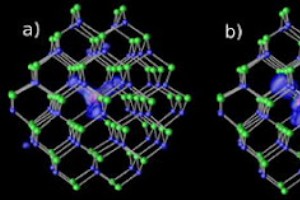
Photosynthesis Natural photosynthesis converts sunlight into chemical energy, producing sugars that are later oxidized to ATP in plants, bacteria, and some protists. The process relies on chlorophyll, water, and light, releasing oxygen as a by‑product. Artificial Photosynthesis Artificial systems a

Nanoshells, Nanoeggs and Nanocups Nanoshells are spherical silica cores coated with a thin gold shell. When the core is offset within the shell, the structure becomes a nanoegg; if the offset exceeds the shell thickness, the core pierces the shell, forming a nanocup. These shapes exhibit distinct a
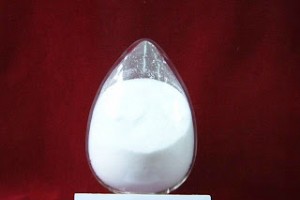
Hydrogen Production Without Energy Input Silicon is the worlds second‑most abundant element. When it is ground into nanoparticles, it can react with water at ambient temperature to liberate hydrogen gas—no heat, light, or electricity required. The reaction releases two moles of H₂ per mole of Si an

Plasmons—delocalized electrons on metal surfaces—are excited by energy inputs such as light, enabling the conversion of optical energy into heat. When these surface plasmons propagate, they efficiently transfer energy to their surroundings. Plasmonic nanoparticles are engineered to couple their e
Li‑Ion Rechargeable Batteries Li‑ion batteries dominate portable electronics, electric vehicles, and stationary storage due to their high energy density, negligible memory effect, low self‑discharge, and environmental safety. Current commercial cells use transition‑metal oxides (Co, Ni, Mn) at the
Nanocellulose from Blue‑Green Algae Recent breakthroughs have demonstrated that cyanobacteria—commonly known as blue‑green algae—can be engineered to produce nanocellulose, a versatile, high‑purity biomaterial with applications ranging from bioplastics to biofuels. Cellulose: The Earth’s Most Abu
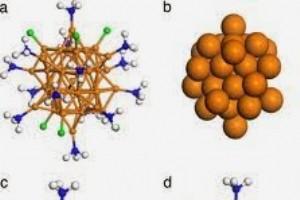
Nanosized gold clusters Nanosized gold clusters are celebrated for their ability to catalyze a wide range of reactions—including oxidations, esterifications, and epoxidations. Yet, the origins of the metal’s remarkable reactivity remained elusive. Notably, gold’s role as a catalyst for CO oxidati
Portable devices—smartphones, laptops, tablets—rely on compact drivers that translate electrical signals into audible sound. Traditional drivers use flexible diaphragms made of paper or plastic. When these thin membranes vibrate, they push air molecules to generate sound waves that reach our ears.
Nanomaterials