


Industrial manufacturing
Nanomaterials

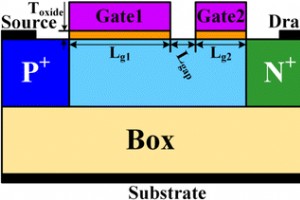
AbstractLarge capacitor volumes and elevated leakage currents in conventional one‑transistor‑one‑capacitor (1T‑1C) DRAM cells impede further scaling. The tunneling field‑effect transistor (TFET), with its ultra‑low off‑state leakage and steep sub‑threshold slope, is a promising alternative. This stu
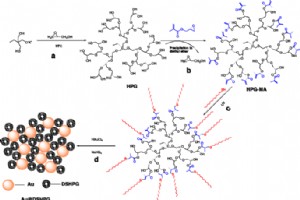
AbstractWe synthesized an amphiphilic hyperbranched polyglycerol (HPG) modified with dodecanethiol (DS) via thiol‑ene click chemistry, producing DSHPG. Characterization by NMR, FTIR, and GPC confirmed successful modification, while DSC and TGA revealed enhanced thermal stability. Gold nanoparticles
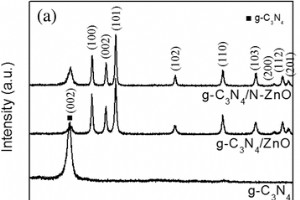
Abstract We synthesized N‑doped ZnO/g‑C₃N₄ composites by a simple, low‑cost sol‑gel route and confirmed their structure through XRD, FE‑SEM, HRTEM, FT‑IR, XPS, and UV‑vis DRS. Compared with pure N‑doped ZnO, the composite’s absorption edge shifted to lower energies, expanding visible‑light uptake an
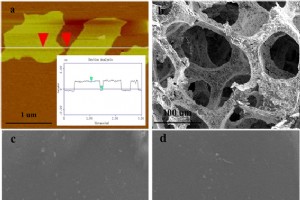
AbstractWith the rapid miniaturization of microelectronic devices, efficient heat dissipation has become a critical bottleneck. Graphene‑assisted epoxy resin (ER) systems have shown promise for enhancing thermal performance, yet limitations of reduced graphene oxide (RGO) nanosheets and three‑dimens
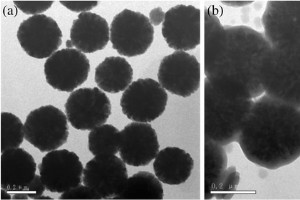
AbstractWe report a facile hydrothermal synthesis of magnetic carbon microspheres (MCMs) using glucose and Fe3O4 nanoparticles. Calcination at 600 °C for 1 h yields a material with an exceptional BET surface area of 1228 m2/g and a pore volume of 0.448 m3/g. The MCMs adsorb sulfonamide with a maxi

AbstractWe report a scalable, cost‑effective hydrothermal route that delivers ZnO nanocrystals in a range of morphologies—nanorods, nanotetrapods, nanoflowers, and nanocubes—by simply adjusting solution concentration, temperature, and surfactant type. Incorporating these nanostructures into organic
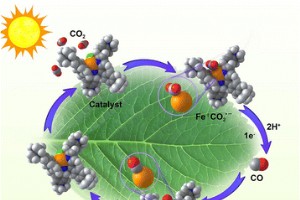
Abstract Scientists are engineering catalytic systems that combine high activity, selectivity, and durability while relying on inexpensive, earth‑abundant elements. A recently developed bi‑functional iron‑porphyrin catalyst not only reduces CO₂ to CO in a two‑electron step but also converts the CO
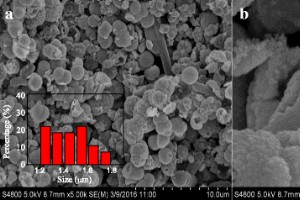
AbstractDesigning hierarchical nanostructures is pivotal for advancing photocatalytic hydrogen evolution. Here, we report the facile synthesis of well‑integrated ZnO@TiO₂ hollow spheres via a single‑step hydrothermal route. This unique architecture induces multiple light reflections, amplifying phot

AbstractHigh uniformity Au-catalyzed indium selenide (In2Se3) nanowires are grown with the rapid thermal annealing (RTA) treatment via the vapor-liquid-solid (VLS) mechanism. The diameters of Au-catalyzed In2Se3 nanowires could be controlled with varied thicknesses of Au films, and the uniformity of
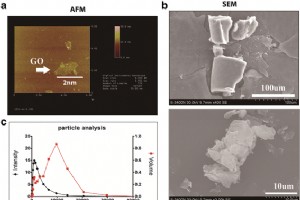
Abstract 0.05). Histological and immunohistochemical analyses revealed significantly enhanced collagen deposition and vascularization (p < 0.05). Our data demonstrate that GO enables controlled, long‑term delivery of TIMP‑1, markedly improving skin regeneration.BackgroundCutaneous injuries arise fro
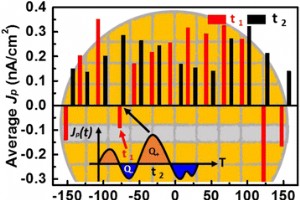
AbstractA novel device for monitoring plasma-induced damage in the back-end-of-line (BEOL) process with charge splitting capability is first-time proposed and demonstrated. This novel charge splitting in situ recorder (CSIR) can independently trace the amount and polarity of plasma charging effects
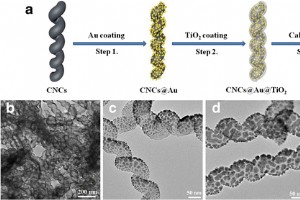
Abstract We present a facile, scalable route to Au@TiO₂ yolk–shell nanostructures that combines ion sputtering of gold onto carbon nanocoils (CNCs) with atomic‑layer deposition (ALD) of TiO₂, followed by calcination. By tuning the sputtering time, the size and loading of Au nanoparticles are precise
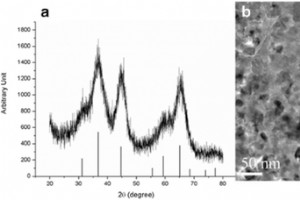
AbstractTi‑doped MgAl₂O₄ nanophosphors were prepared by a low‑temperature combustion method and exhibit a bright white emission. High‑resolution STEM imaging directly visualised extrinsic Schottky defects—Al vacancies (VAl′′′) and Ti4+ ions substituting Al (TiAl⁺) at the particle surface. Density‑fu
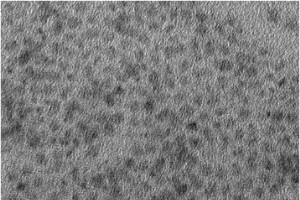
AbstractQuantum dot light-emitting diodes (QD-LEDs) have been considered as potential display technologies with the characterizations of high color purity, flexibility, transparency, and cost efficiency. For the practical applications, the development of heavy-metal-free QD-LEDs from environment-fri
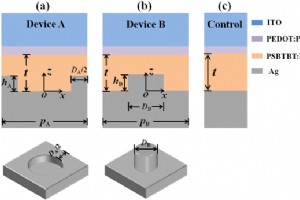
Abstract Patterned metallic electrodes (PMEs) are a proven strategy to increase light harvesting in thin‑film organic solar cells (OSCs). Two dominant PME geometries—nanohole and nanopillar arrays—have been tested experimentally, yet their relative merits remain unclear. In this work, we perform a
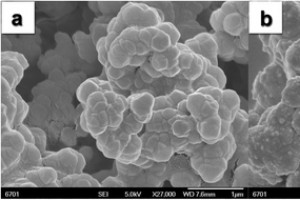
AbstractMetal–organic frameworks (MOFs) are promising but often ineffective for visible‑light photocatalysis due to limited light absorption and chemical instability. Here, we report a Pd‑loaded Zr‑based MOF (UiO‑66) synthesized via a mild solvothermal route and further modified by impregnation‑redu
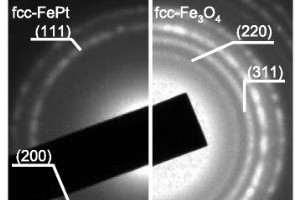
AbstractTo obtain the optimal 1:1 composition of FePt alloy nanomaterials by polyol synthesis, the iron precursor (iron pentacarbonyl, Fe(CO)5) must be used in excess, because the Fe(CO)5 exists in the vapor phase at the typical temperatures used for FePt synthesis and cannot be consumed completely.
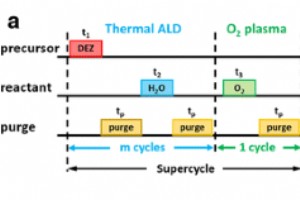
Abstract We introduce a supercycled atomic layer deposition (ALD) strategy that combines conventional thermal ALD with an in‑situ O₂ plasma step to deposit ZnO thin films whose electrical properties can be precisely tuned without extrinsic dopants. By varying the O₂ plasma exposure time and the numb
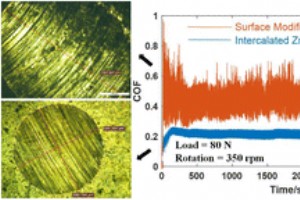
AbstractTwo‑dimensional inorganic layered nanoplatelets are emerging as highly effective lubricants in both solid and oil‑dispersed systems. In this study we systematically examined how surface grafting and interlayer intercalation influence the friction‑reduction and anti‑wear properties of α‑zirc
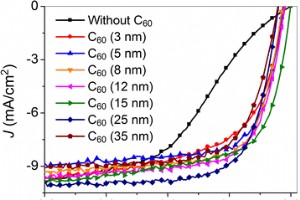
AbstractLithium fluoride (LiF) is a proven cathode buffer layer (CBL) in bulk‑heterojunction polymer solar cells (PSCs). Conventional LiF layers are restricted to ~1 nm because of their insulating nature, which complicates deposition control and offers insufficient protection to the underlying activ
Nanomaterials

How igus Plastic Cable Carriers Slash Maintenance for Automated Baking Systems
Eliminate Surface Defects in CNC Milling: Boost Quality & Performance

Automated 4‑Side Door Edge Cutting Machine – Fast, Precise, and Fully Automatic Loading/Unloading

Boxcapiel Tannery Achieves Zero Liquid Discharge with HRS Heat Exchangers
