Industrial manufacturing
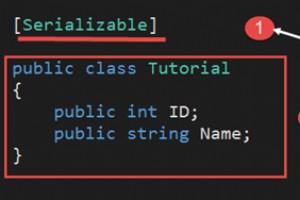
Serialization & Deserialization in C# Serialization and deserialization are essential when object data must move between applications or persist across sessions. In C#, serialization writes an object’s state to a storage medium—commonly a file—while deserialization reconstructs the object from t
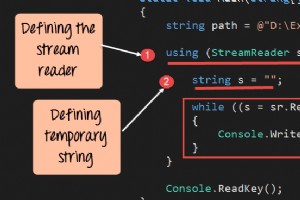
In C# file I/O, streams serve as an intermediary between your application and the underlying file system. They allow you to read from or write to files in a memory‑efficient way, especially when dealing with large data sets. Instead of loading an entire 100 MB file into memory—which can cause your a
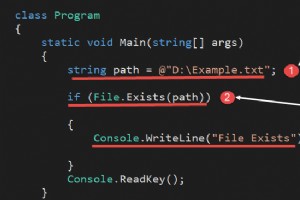
File Operations in C# – A Practical Guide In C# and .NET, working with files is a common requirement. Whether you need to verify a file’s presence, read its contents, or manage file copies, the System.IO.File class offers straightforward, thread‑safe methods. Below you’ll find concise explanations a
Working with a database is a core skill for any C# developer. This guide shows you how to connect to Microsoft SQL Server, execute queries, and bind data to Windows Forms controls. Fundamentals of Database Connectivity Whether you’re using Oracle, MySQL, MongoDB, or Microsoft SQL Server, the proces
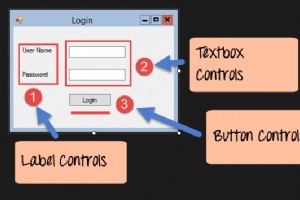
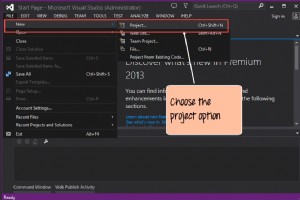
C# Windows Forms Development: A Hands‑On Tutorial After mastering console applications, the next logical step is to create rich desktop experiences using Visual Studio’s Windows Forms. This guide walks you through every stage—from project setup to adding controls, wiring events, and even incorporati
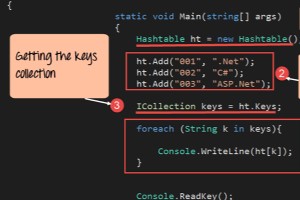
What Is a Hashtable in C#? A Hashtable is a non‑generic collection that stores data as key‑value pairs. Unlike arrays or lists that hold a single value per index, a hashtable allows you to retrieve a value directly using its unique key, providing O(1) average‑time lookup. Typical entries look like t
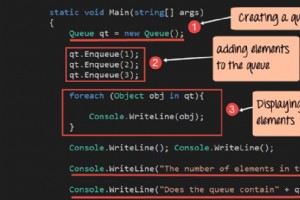
What is a Queue in C#? A Queue implements the First‑In‑First‑Out (FIFO) principle, much like a line of people waiting for a bus. The first element added is the first one to be processed or removed. In C#, queues are defined in the System.Collections namespace and offer methods such as Enqueue and De
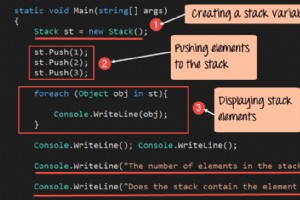
What Is a Stack in C#? A stack is a collection that follows the Last‑In, First‑Out (LIFO) principle. Think of a stack of books: only the top book can be removed. The same logic applies to the .NET Stack class—elements are added on top with Push and removed from the top with Pop. Declaring a Stack In
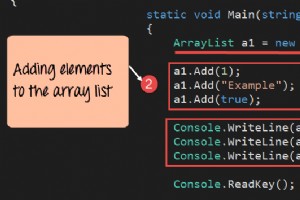
What is ArrayList in C#? The ArrayList collection, part of System.Collections, behaves like a traditional array but offers dynamic resizing. Unlike static arrays, you don’t need to declare a fixed size upfront; elements can be added or removed at any time. Declaring an ArrayList Instantiate an Array

In our previous tutorial, we have learned about how we can use arrays in C#. Let’s have a quick overview of it, Arrays in programming are used to group a set of related objects. So one could create an array or a set of Integers, which could be accessed via one variable name
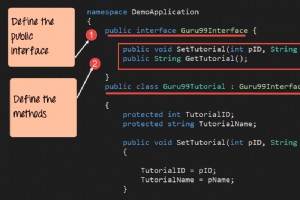
What is a C# Interface? An interface in C# is a contract that defines a set of members—methods, properties, events, or indexers—that a class or struct must implement. It specifies the what but not the how, allowing different types to expose the same set of operations while keeping implementation det
What Is an Abstract Class in C#? An abstract class serves as a blueprint for other classes. It can never be instantiated directly and is marked with the abstract keyword. Abstract classes typically contain one or more abstract or virtual methods that subclasses are expected to implement or override.
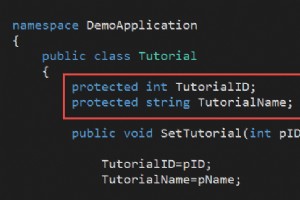
What Is Inheritance in C#? Inheritance is a cornerstone of C# object‑oriented design. It lets a child class automatically receive the fields and methods of a parent class, while still permitting the child to override or extend that behavior. This promotes code reuse, simplifies maintenance, and esta
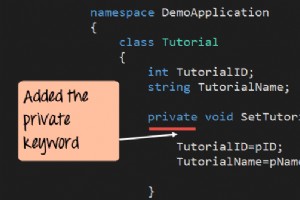
What are Access Modifiers in C#? Access modifiers—keywords that control the visibility of types and type members—are a cornerstone of encapsulation in C#. They determine which code can reference a class, property, or method, ensuring that only the intended parts of a program can interact with intern
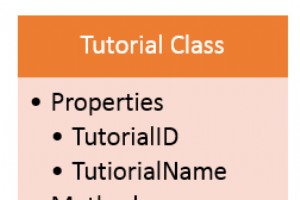
C# builds on the powerful object‑oriented foundation of C++. Its built‑in support for classes and objects lets developers model real‑world entities with clean, maintainable code.Consider an application that manages employee records. An Employee class would store properties such as ID and Name, and e
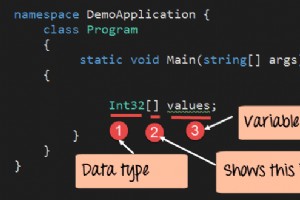
What Are Arrays in C#? In C#, an array is a data structure that holds a fixed‑size collection of elements, all of which share the same data type. For example, an integer array might contain the values [1, 2, 3, 4], storing four elements in total. Arrays are ideal when you need a single variable to m
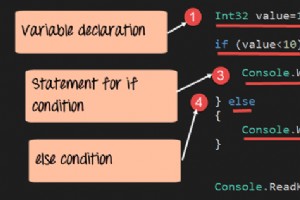
Flow Control and Conditional Statements In every modern programming language, flow‑control constructs dictate the execution order of code blocks. In C#, the most common mechanisms are if, switch, while, and for. Understanding how to use these statements effectively is essential for writing clean, ma
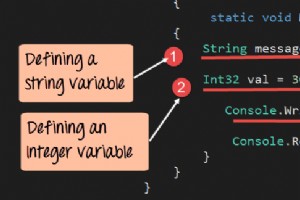
C# Variables A variable in C# is a named storage location that holds a value of a specific data type. The data type determines the memory layout and the operations that can be performed on the variable. For instance, a variable declared as string will store textual data, while an int holds whole num
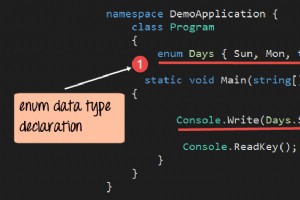
C# Enumerations Enumerations, or enums, let you define a fixed set of named constants in C#. They’re ideal for representing discrete values such as days of the week, months, or status codes. Below we walk through a simple, real‑world example that shows how to declare an enum, assign values, and use
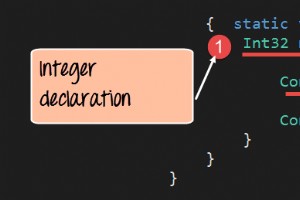
What are Data Types in C#? C# offers a set of fundamental data types that form the backbone of any application. These types define the kind of values that variables can hold and determine how the runtime handles them. Below we’ll walk through the most common types—int, double, bool, and string—with
C Language