Industrial manufacturing
3D printing
COVID-19 has highlighted the need for supply chains and manufacturing ecosystems to become more adaptable and agile in response to evolving crises. Embracing digital technologies—especially 3D printing, also known as additive manufacturing (AM)—is a key component of this transformation. However, th
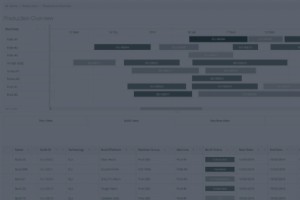
AMFG’s Production Scheduling System [Image credit: AMFG] As additive manufacturing pushes into mainstream industrial production, Additive Manufacturing Execution Systems (MES) are emerging as essential tools for managing complex AM workflows. Additive MES software bridges the gap between fragmented

3D printing—an advanced additive manufacturing technology—is reshaping both existing and future nuclear facilities. While the nuclear sector is traditionally conservative, it is increasingly leveraging 3D printing to create spare parts, develop advanced components, and streamline decommissioning ef

3D printing is reshaping manufacturing, but realizing its full production potential requires a solid infrastructure. Discover the five core pillars that enable reliable end‑part production and the solutions that make the transition seamless. 1. Traceability Traceability is a top priority for compan

HP has been pushing the limits of additive manufacturing (AM) since 2016, launching a suite of polymer printers and, more recently, the Metal Jet line. From the outset, HP’s goal has been to democratize 3D printing by delivering faster build speeds, superior part quality, and breakthrough ec

For a 3D‑printing operation, cost control is paramount. One proven strategy to trim expenses and enhance fleet utilization is nesting—a critical step in data preparation that arranges parts to fit the build volume most efficiently. In this guide we explain what nesting is, the tangible benefits it
Polymer 3D printing is reshaping product design, development, and production across virtually every sector. Below we highlight six recent breakthroughs that illustrate the technology’s transformative power in automotive, medical, and consumer goods industries. 1. Customising Automotive Seats Porsch

While most passengers never notice it, the armrests, tray tables, and other cabin components on modern aircraft are increasingly coming from 3D printers. This technology unlocks cost‑effective customization, rapid production, and on‑demand spare‑part manufacturing—key benefits for airlines looking
Workflow software is the backbone of streamlined 3D printing operations, yet picking the right platform can be daunting. To help you make an informed decision, we’ve distilled the must‑have features that unlock maximum value and efficiency for your additive manufacturing (AM) processes. What is 3D
Despite rapid advancements, many still underestimate the true capabilities and limits of metal 3D printing. These myths only slow broader adoption. In this article we cut through the noise, set the record straight, and give you the facts you need to make informed decisions. 1. Metal 3D printing is
3D printing is often celebrated as a catalyst for smart, sustainable manufacturing. Yet, its true environmental footprint remains debated. In this article, we unpack the facts and myths surrounding the green credentials of additive manufacturing. Why 3D Printing Is Considered a Sustainable Manufact
Faster turnaround, on‑demand production, and greater flexibility – 3D printing delivers tangible benefits to Maintenance, Repair & Overhaul (MRO) teams across aerospace, rail, oil & gas, and automotive sectors. In this article we examine how additive manufacturing is reshaping MRO workflows, backed

Ensuring business continuity during a pandemic is increasingly difficult. 3D printing firms must pivot to remote work, reduce in‑person interactions, and navigate supply chain disruptions. These obstacles underscore the vital role of digital tools and workflow automation in sustaining operations. E
As the COVID‑19 pandemic spread worldwide, 3D‑printing companies responded rapidly to critical shortages in medical supplies. The surge in patients quickly exhausted protective face masks and essential components for intensive‑care equipment, creating a crisis in supply chains. 3D printing’s abilit

This is Part 3 of our series on MES software. Discover the rest of the articles in this series: The Beginner’s Guide to Additive Manufacturing Execution Systems (MES) How Can MES Software Transform Production Planning for Additive Manufacturing? 3 Ways Connectivity Will Enhance Your Additive Man
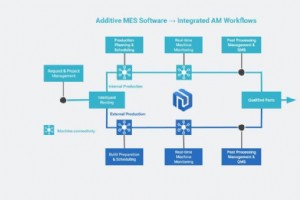
This is Part 4 of our series on MES software. Discover the rest of the articles in this series: The Beginner’s Guide to Additive Manufacturing Execution Systems (MES) How Can MES Software Transform Production Planning for Additive Manufacturing? How Digitisation Can Help Transform AM Post-Processi
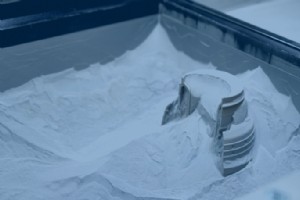
Securing a reliable metal 3‑printing powder supplier is pivotal for any AM program. The search can be daunting, given the stringent quality and safety requirements that govern metal additive manufacturing. Below are five critical questions that will help you evaluate any prospective supplier and en
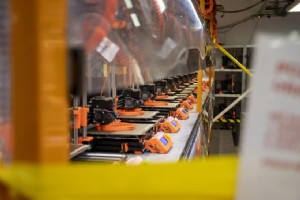
[Image credit: Prusa Research]The 3D printing industry has proven its value during the COVID‑19 pandemic, not only by providing critical supplies but also by offering clear insights into its future potential.1. 3D Printing Can Scale to Volume ProductionContrary to the myth that additive manufacturin

The outbreak of the coronavirus pandemic caused medical‑supply shortages worldwide. In response, the 3D‑printing community mobilised to support hospitals and clinics in dire need of equipment. One notable effort comes from the Norwegian University of Life Sciences (NMBU), based in Oslo. Using the u
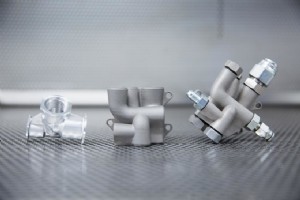
[Image credit: Renishaw] The demand for new approaches in hydraulic components design and manufacturing is on the rise. One technology enabling manufacturers to explore new opportunities in hydraulics manufacturing is 3D printing.
3D printing